Introduction
One will learn how to conduct a systematic patch‑test of bedding materials in order to identify potential irritants that may trigger eczema flare‑ups. This guide explains why patch‑testing is valuable for individuals with sensitive skin, outlines the required tools, and provides a clear, actionable process. By following the steps, one can protect oneself from hidden allergens, improve sleep quality, and reduce the frequency of skin eruptions.
What You’ll Need
- Clean cotton swabs or gauze pads
- Medical‑grade adhesive tape
- Hypoallergenic moisturizer
- Notebook for observations
- One of the recommended bedding products to serve as a test sample
The recommended products are listed in the “Products Mentioned in This Guide” section. Each product includes a brief description, price, and rating to help one make an informed purchase decision.
Step 1: Select a Representative Sample
Begin by choosing a small piece of the bedding material that one intends to evaluate. For a comprehensive assessment, it is advisable to test the comforter, mattress topper, and sheet set separately. The CozyLux Queen Comforter Set offers a premium microfiber fabric that is breathable and filled with a down‑alternative. Its soft texture makes it an ideal candidate for a patch‑test because the material frequently contacts the skin during sleep.
Key features of the CozyLux Queen Comforter Set include:
- Premium microfiber fabric that is sweat‑absorbent
- Down‑alternative fill that reduces allergen exposure
- Elastic deep‑pocket fitted sheet for a secure fit
- Machine‑washable construction for easy cleaning
Price: $38.99. The set provides a complete “bed in a bag” solution, allowing one to test both the comforter and the fitted sheet together.
Step 2: Prepare the Test Area on the Skin
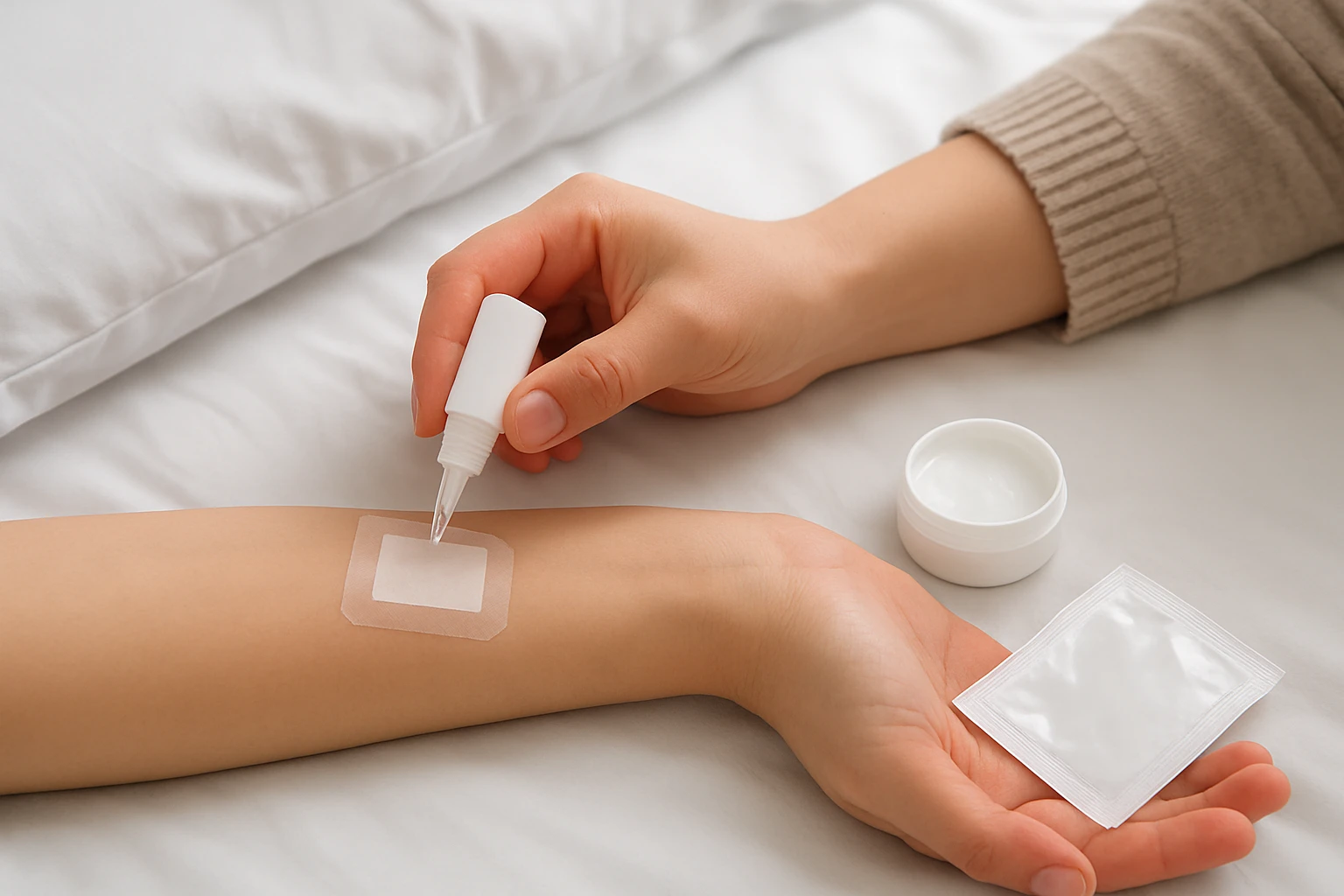
Choose a discreet area of skin, such as the inner forearm or behind the knee, where one can apply the material without causing embarrassment. Clean the area with mild soap and pat dry. Apply a thin layer of hypoallergenic moisturizer to mimic the natural skin barrier during sleep.
If one prefers a supportive surface beneath the test material, the Amazon Basics Twin Mattress Topper provides an extra cushioning layer that is hypoallergenic and quilted to prevent shifting. Its 80% polyester/20% cotton blend offers breathability, while the deep‑pocket design ensures a snug fit on most twin mattresses.
Key attributes of the Mattress Topper:
- Hypoallergenic quilted fill suitable for allergy sufferers
- 18‑inch deep pockets for secure placement
- Lightweight construction for easy handling
- Price: $20.54 with a 4.6‑star rating (35,705 reviews)
Step 3: Apply the Fabric Sample
Cut a 2 × 2 inch square from the selected bedding material using clean scissors. Secure the square to the prepared skin area with medical‑grade adhesive tape, ensuring that the tape does not cover the fabric itself. The tape should hold the sample in place for 48 hours without causing additional irritation.
For individuals who wish to test a sheet surface, the Cathay Home Microfiber Sheet Set offers double‑brushed microfiber that is wrinkle‑resistant and soft to the touch. Its 100% polyester composition reduces the likelihood of chemical finishes that could provoke eczema.
Key points about the Sheet Set:
- Double‑brushed microfiber for a crisp, soft feel
- Elasticized fitted sheet accommodates 10‑14 inch mattress depths
- Price: $27.45 with a 4.6‑star rating (4,140 reviews)
Step 4: Observe and Record Reactions
After 48 hours, remove the tape and examine the skin for redness, itching, swelling, or any other sign of irritation. Use a notebook to record the date, time, and nature of any reaction. If a reaction occurs, one should discontinue use of the tested material and consider an alternative.
Should the test be negative, one may proceed to test additional bedding components, such as the Serta Simply Clean Comforter Set. This set is marketed as hypoallergenic and stain‑resistant, making it a viable option for eczema‑prone individuals.
Important attributes of the Serta Comforter Set:
- Hypoallergenic treatment to inhibit odor and stain buildup
- Polyester fiber that is durable and easy to care for
- Full/Queen size includes one comforter and two pillow shams
- Price: $51.72 with a 4.5‑star rating (384 reviews)
Step 5: Clean and Maintain Tested Bedding
Regardless of the test outcome, proper laundering is essential to minimize residual irritants. Follow the care instructions provided by the manufacturer. For example, the CozyLux set recommends a gentle cycle with cold water and low‑heat tumble drying. The Cathay Home sheet set can be machine washed on a regular cycle, while the Serta set advises similar gentle handling.
Regular cleaning removes dust mites, sweat, and detergent residues that are common eczema triggers. One should also replace bedding every 2‑3 years to ensure that fabric wear does not expose hidden fibers.
Tips & Pro Tips
- Conduct the patch‑test on a non‑exposed skin area first to avoid unnecessary discomfort.
- Use fragrance‑free, dye‑free detergents when washing test samples.
- Document each test in a spreadsheet to track patterns over time.
- If a reaction is severe, seek medical advice promptly.
- Consider using a breathable mattress protector underneath the topper to add an extra barrier.
Troubleshooting
Problem: No reaction after 48 hours, but eczema persists.
Solution: Extend the observation period to 72 hours, or test additional bedding components such as pillowcases or duvet covers. Sometimes allergens reside in secondary fabrics.
Problem: Tape causes skin irritation.
Solution: Switch to hypoallergenic medical tape or use a light bandage that does not adhere directly to the skin.
Conclusion
One now possesses a clear, evidence‑based method to patch‑test bedding materials for eczema. By selecting appropriate samples, applying them safely, observing reactions, and maintaining clean bedding, one can significantly reduce the risk of flare‑ups. The recommended products provide reliable tools that simplify each step, yet the process remains effective without any purchase.
Products Mentioned in This Guide
Frequently Asked Questions
Why should people with eczema patch‑test their bedding?
Patch‑testing identifies hidden irritants that can trigger flare‑ups, helping improve sleep quality and reduce skin eruptions.
What basic tools are needed for a bedding patch‑test?
You need clean cotton swabs or gauze, medical‑grade adhesive tape, a hypoallergenic moisturizer, and a notebook for observations.
How long should a bedding sample stay on the skin during the test?
Leave the sample in place for 48 hours, then check for any reaction over the next 24‑48 hours.
Can I test multiple bedding items at once?
Yes, test each item (e.g., sheets, comforter, mattress topper) on separate skin sites to pinpoint the specific irritant.
What signs indicate a positive patch‑test reaction?
Redness, itching, swelling, or a small bump at the test site suggest the material may be an eczema trigger.