
How to Check Hotel Bedding for Kids with Eczema: A Complete Risk Checklist
Introduction
Traveling with a child who has eczema can be stressful because the sleeping environment often determines whether a night ends in relief or a flare‑up. This guide teaches readers how to evaluate hotel bedding systematically, focusing on material composition, allergen barriers, temperature regulation, and cleanliness. By following the checklist, parents will feel confident that the hotel room supports their child’s sensitive skin. The information is practical, evidence‑based, and can be applied even without purchasing additional products.
What You'll Need
- Smartphone or camera for documenting bedding details
- Allergy‑free protective layer such as Allersoft Organic Cotton Duvet Protector
- Optional breathable duvet cover like MEISHANG Muslin Cotton Duvet Cover
- Soft, skin‑friendly sheet set (e.g., Bedsure Queen Microfiber Sheet Set or Utopia Jersey Cotton Sheet Set)
- Disposable gloves for handling fabrics
Step 1: Inspect the Duvet Cover for Allergen Barriers
The first line of defense against eczema triggers is the duvet cover, which contacts the child's skin for many hours. Examine the label or ask hotel staff about the material; a natural, unbleached cotton weave is preferable because it does not contain harsh chemicals. If the cover is not certified, place an Allersoft Organic Cotton Duvet Protector over the existing cover. This protector uses a patented weave with pores smaller than three microns, blocking dust, pet dander, pollen, and even tiny feather fragments that can irritate eczema‑prone skin.
Why choose Allersoft? The product is GOTS and Oeko‑Tex certified, ensuring no vinyl, phthalates, bleach, or dyes that could provoke a reaction. At $62.95 it has a perfect 5‑star rating from three verified reviewers, indicating high satisfaction among users with similar sensitivities. The secure inner ties keep the protector aligned with the comforter, preventing bunching that could create hot spots.
Step 2: Verify Sheet Material and Fit
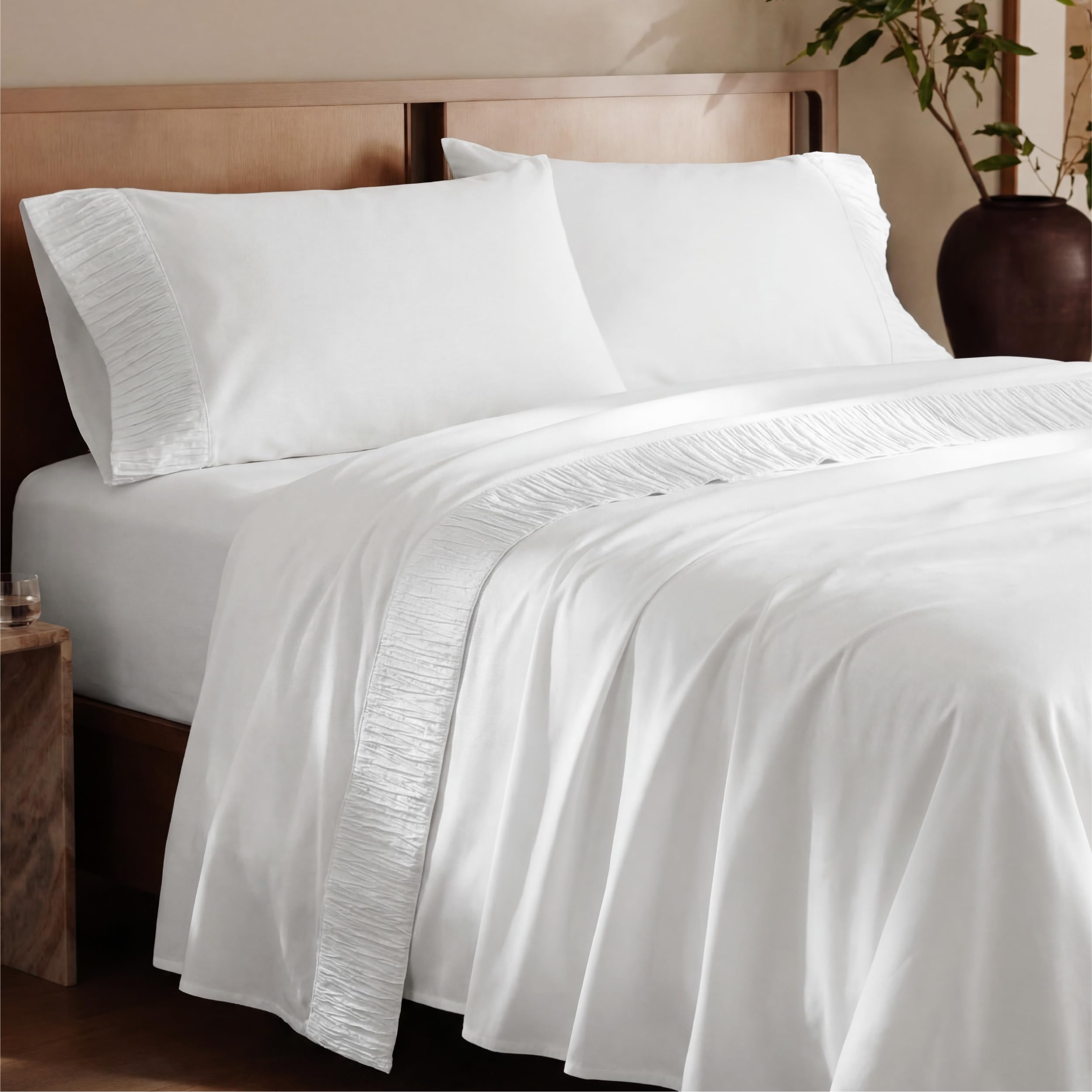
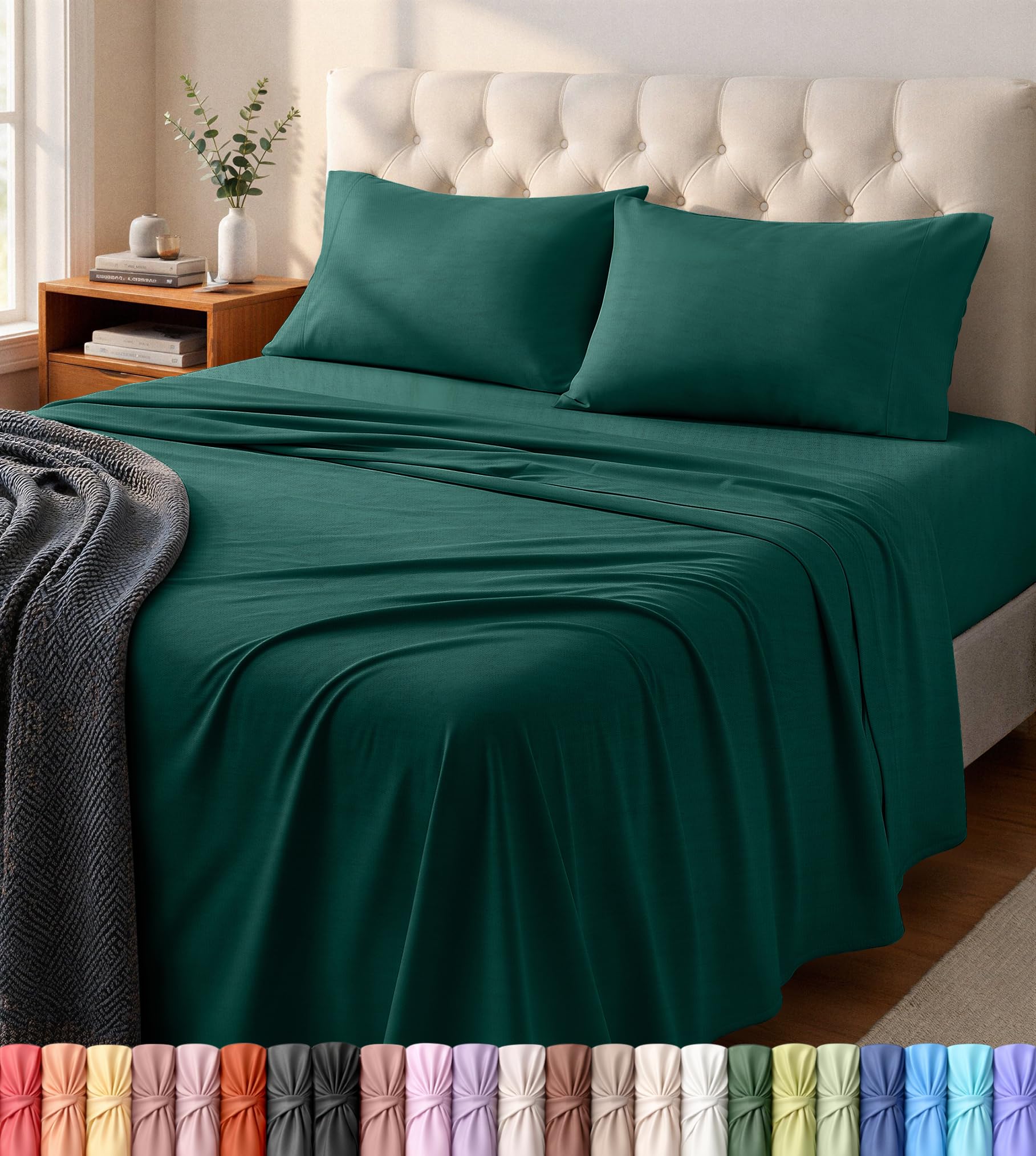
Sheets are the next surface that touches the child's skin, so their fiber composition matters. Look for 100% cotton or a breathable microfiber that is OEKO‑Tex certified, as both options are free from harmful chemicals. For hotels that provide polyester blends, consider bringing a personal sheet set. The Bedsure Queen Microfiber Sheet Set offers a brushed microfiber surface that feels buttery soft while remaining breathable, a useful combination for children who overheat.
At $22.99 the Bedsure set is budget‑friendly and carries a 4.6‑star rating from over 100,000 reviews, reflecting reliability. Its deep pockets and all‑around elastic keep the sheets snug, eliminating the need for nightly adjustments that could disturb a child with eczema. The OEKO‑Tex certification assures that no irritating chemicals will contact the skin.
Step 3: Add a Breathable Organic Duvet Cover When Possible
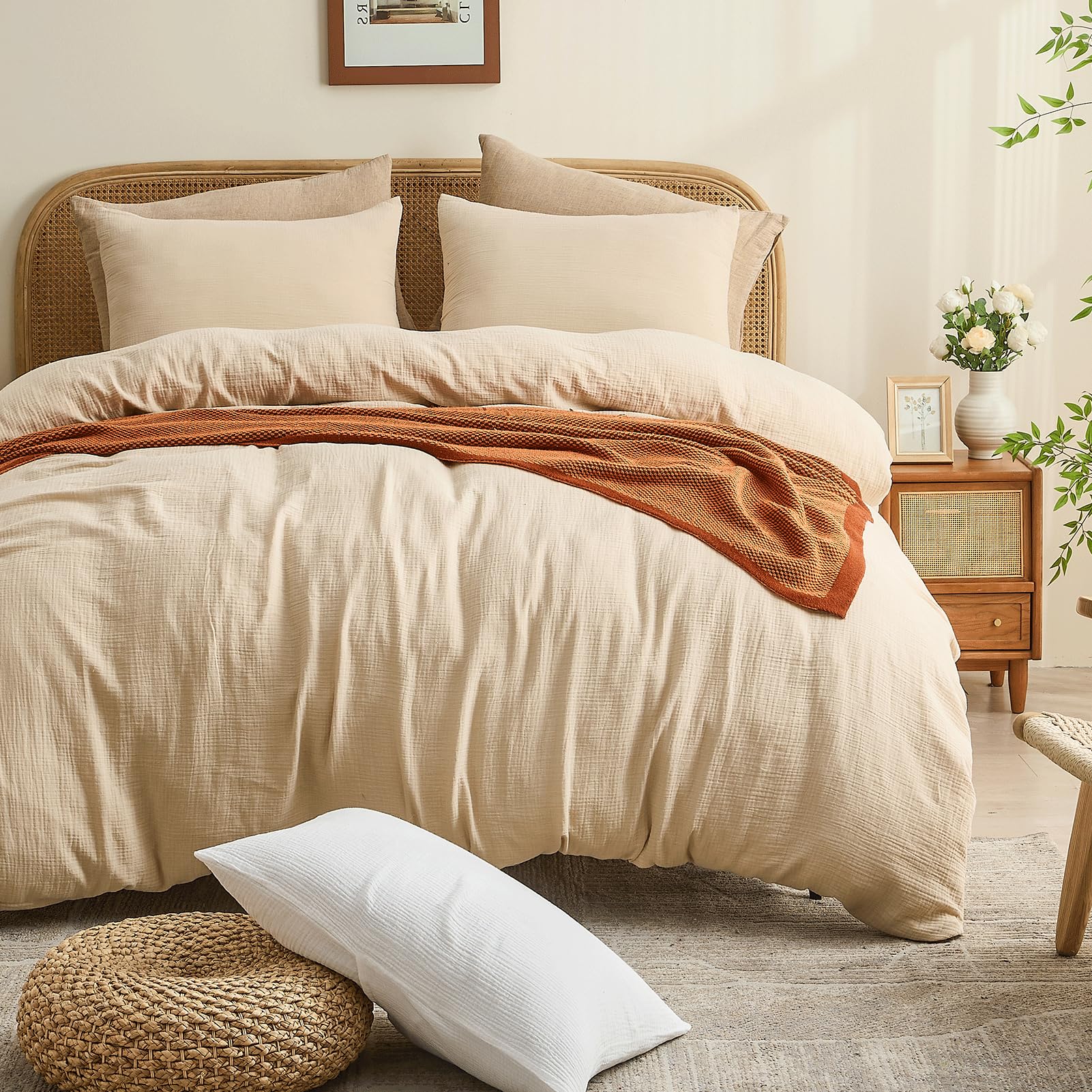
If the hotel duvet cover is synthetic or unknown, layering an organic cotton cover can improve comfort and reduce flare‑ups. The MEISHANG Muslin Cotton Duvet Cover is crafted from 100% organic cotton with a gauze weave that wicks moisture 30% faster than regular cotton. This property helps keep the skin dry, a critical factor for eczema management.
MEISHANG’s cover is rated 4.3 stars by 260 reviewers and costs $69.99. Its hidden zipper and eight corner ties ensure a secure fit that will not shift during sleep, preventing friction that could irritate sensitive skin. The breathable nature of the muslin weave also regulates temperature, keeping the child cool in summer and warm in winter.
Step 4: Assess Temperature Regulation and Fabric Breathability
Overheating is a common trigger for eczema, so the bedding must allow airflow. Feel the fabric; a jersey knit such as the Utopia Jersey Cotton Sheet Set feels like a soft T‑shirt and stretches, promoting air circulation. The blend of cotton and polyester provides a balance of softness and durability without trapping heat.
The Utopia set is priced at $42.99 and holds a 4.4‑star rating from 5,694 reviews. Its stretchy nature reduces friction against the skin, and the deep‑pocket fitted sheet stays in place, preventing gaps where cold air could enter and cause the child to shiver. Using a jersey sheet in conjunction with the Allersoft protector creates a layered system that manages temperature while maintaining an allergen barrier.
Step 5: Confirm Cleanliness and Maintenance Practices
Even the most suitable fabrics can become problematic if they are not clean. Ask hotel staff about their laundering process; the best hotels use hot water cycles and hypoallergenic detergents. If the information is unclear, request fresh linens or bring a small travel‑size laundry detergent to wash the Allersoft protector and any personal sheets.
The Allersoft protector is machine washable in hot water, allowing parents to sanitize it before use. After washing, the zippered closure makes re‑installation straightforward, ensuring the protective barrier remains intact throughout the stay.
Tips & Pro Tips
- Carry a portable, lightweight pillowcase made from organic cotton to avoid hotel pillow covers that may contain latex.
- Use a handheld hygrometer to measure humidity; aim for 40‑60% to keep skin from drying out.
- Apply a fragrance‑free moisturizer before bedtime to reinforce the skin barrier, reducing the impact of any residual irritants.
- When traveling with multiple children, label each protective layer with a name tag to avoid mix‑ups.
Troubleshooting
Problem: The hotel duvet cover cannot be removed.
Solution: Place the Allersoft protector directly over the comforter and zip it securely; the inner ties will keep it from shifting even without a removable cover.
Problem: The sheets feel too warm.
Solution: Swap the hotel sheets for the breathable Bedsure microfiber set or the Utopia jersey set, both of which promote airflow and temperature regulation.
Conclusion
Evaluating hotel bedding for a child with eczema requires attention to material composition, allergen barriers, temperature control, and cleanliness. By following the five‑step checklist and using tools such as the Allersoft protector, MEISHANG duvet cover, Bedsure sheet set, and Utopia jersey sheets, parents can significantly reduce the risk of flare‑ups while traveling. The guide empowers families to create a safe sleeping environment without relying solely on hotel standards, ensuring restful nights wherever they go.
Products Mentioned in This Guide
Frequently Asked Questions
What bedding materials are safest for a child with eczema when staying in a hotel?
Choose 100% organic cotton or bamboo fabrics, as they are breathable, hypoallergenic, and less likely to irritate sensitive skin.
How can I verify the cleanliness of hotel sheets before my child sleeps on them?
Inspect the sheets for stains, odors, and visible wear, and ask staff for a fresh set or request a room change if anything seems off.
Should I bring my own protective bedding layer, and why?
Yes, a hypoallergenic duvet protector or sheet adds a barrier against dust mites and chemicals that may be present in hotel linens.
What temperature range is optimal for preventing eczema flare‑ups at night?
Maintain a cool room temperature between 65‑70°F (18‑21°C) and use breathable bedding to avoid overheating.
Are there any quick tests I can do to detect hidden allergens in hotel bedding?
A simple visual check for dust mite covers, a quick sniff for strong detergents, and a brief skin patch test with a small fabric swatch can reveal potential irritants.