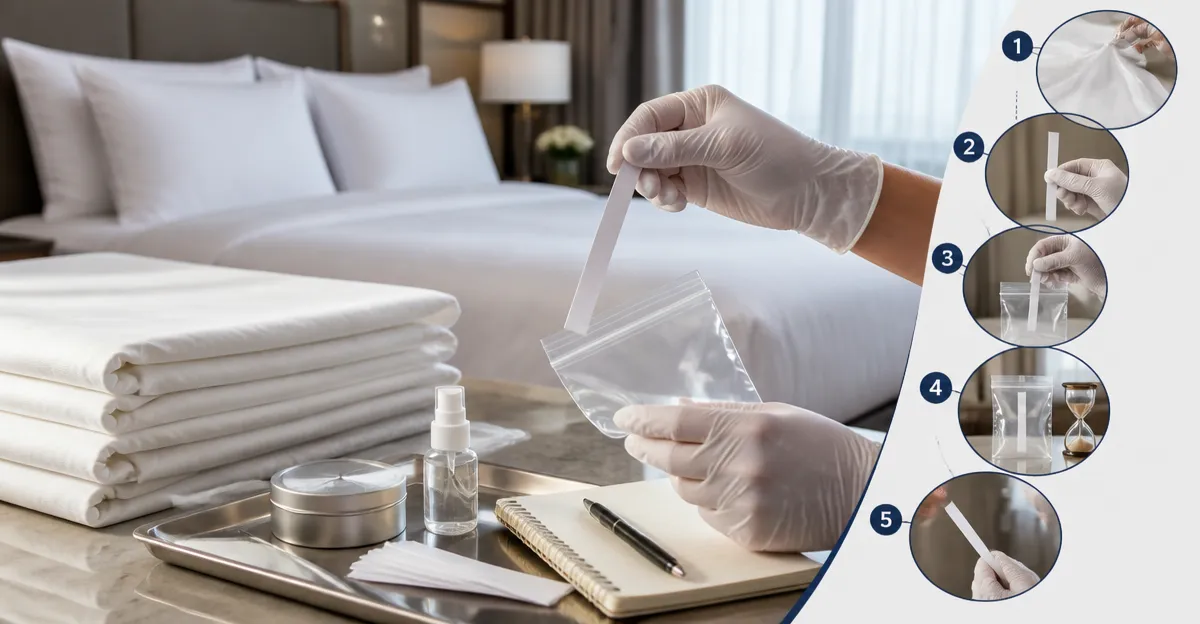
How to Test Hotel Bedding for Hidden Fragrances Using the Scent-Strip Method — Step-by-Step Guide
In the hospitality industry, the perception of a fresh sleeping environment can influence guest satisfaction dramatically. One subtle yet critical factor is the presence of hidden fragrances that may linger in bedding after laundering or previous occupancy. This guide explains how to detect such odors systematically using scent‑strip tools, ensuring that hotel rooms meet the highest standards of cleanliness and guest comfort. Readers will learn a reproducible method, the essential materials, and professional best practices.
What You'll Need
- Duskeep 250 Pack Perfume Tester Strips – $5.99, 4.8/5 rating (710 reviews)
- Duskeep 500 Pack Perfume Tester Strips – $9.99, 4.8/5 rating (710 reviews)
- Ninsula 300 Pack Perfume Tester Strips – $5.49, 4.8/5 rating (322 reviews)
- Xhziy 200 Pack Perfume Test Paper Strips – $6.99, 4.6/5 rating (121 reviews)
- Clean, lint‑free gloves, a well‑ventilated testing area, and a notebook for observations.
Step 1: Prepare a Controlled Testing Environment
The first step is to select a room with minimal airflow and neutral ambient scents. Close windows, turn off HVAC systems, and ensure that no scented cleaning products are being used nearby. This controlled environment prevents external odors from contaminating the test results. One should also allow the bedding to equilibrate for at least 30 minutes after removal from storage to avoid temperature‑related scent distortion.
Step 2: Gather and Inspect the Scent Strips
Select a fresh strip from the Duskeep 250 Pack Perfume Tester Strips. Each strip measures 5.12 x 0.47 inches, providing a narrow end for dipping and a wider end for note‑taking. The thick, absorbent paper ensures consistent scent capture without warping. Inspect the strip for any visible defects; a flawless strip guarantees reliable absorption and prevents cross‑contamination.
Step 3: Sample the Bedding Surface
Using clean gloves, gently press the narrow end of the strip onto the surface of the pillowcase, duvet cover, or fitted sheet for three seconds. This brief contact allows the paper to absorb volatile compounds without saturating the material. Rotate the strip after each contact point to sample multiple areas of the same bedding piece, thereby creating a composite scent profile. Record the exact location of each sample in the notebook for later reference.
Step 4: Allow the Strips to Develop
After sampling, place the strips on a clean, non‑porous surface and allow them to rest for five to ten minutes. During this period, the absorbed molecules diffuse evenly across the paper, making the scent more discernible. It is advisable to keep the strips away from direct sunlight or strong drafts, as these conditions can alter the scent intensity. Once the development time has elapsed, the evaluator can proceed to the olfactory assessment.
Step 5: Conduct the Olfactory Assessment
Hold the strip by the wide end, keeping the scented narrow end 3–5 inches from the nose, and inhale gently. This distance mimics the natural exposure one experiences while sleeping on fresh linens. Note any lingering fragrances such as detergent residues, fabric softeners, or unintended odors like mildew. If a scent is detected, compare it against known fragrance profiles to identify the source, whether it be a cleaning agent or a previous guest’s perfume.
Step 6: Document Findings and Decide on Remediation
Record the observed scents, their intensity (on a scale of 1–5), and the specific bedding item in the notebook. This systematic documentation enables trend analysis across multiple rooms and helps housekeeping prioritize deep‑cleaning or re‑laundering. If a strong off‑note is identified, schedule an immediate re‑wash using fragrance‑free detergents and repeat the testing process to verify elimination.
Step 7: Scale the Process for Large Hotels
For properties with numerous rooms, efficiency becomes paramount. The Duskeep 500 Pack Perfume Tester Strips provides a cost‑effective bulk solution, reducing the need for frequent reordering. Additionally, the Ninsula 300 Pack Perfume Tester Strips offers a premium alternative with a durable design that resists bending during high‑volume use. Selecting the appropriate pack size depends on the hotel’s room turnover rate and the frequency of testing.
Step 8: Integrate Testing into Routine Housekeeping Audits
Incorporate the scent‑strip method into the daily or weekly housekeeping audit checklist. Assign a trained staff member to perform the sampling during room turnover, ensuring consistency across shifts. Use the documented results to provide feedback to the laundry department, fostering a collaborative approach to maintaining scent‑free environments. Over time, the data collected will reveal patterns that can guide procurement of fragrance‑free linens and detergents.
Tips & Pro Tips
- Use a fresh strip for each bedding item to avoid cross‑contamination.
- Store unused strips in a sealed container to protect them from ambient odors.
- If a subtle scent is difficult to detect, gently warm the strip with a hair dryer on low heat for a few seconds; heat can volatilize trapped molecules.
- Consider pairing the scent‑strip method with a handheld electronic nose for quantitative analysis in high‑end establishments.
- When testing multiple rooms, label each strip with a unique code to streamline data entry.
Troubleshooting
Problem: No scent is detected even though a strong odor is suspected.
Solution: Verify that the strip is not expired or stored near strong odors. Use a fresh strip from the Xhziy 200 Pack Perfume Test Paper Strips, which are designed for high absorption of both essential oils and water‑based scents.
Problem: The strip becomes warped after contact with a heavily scented fabric.
Solution: Reduce contact time to two seconds and apply gentle pressure. The thick, high‑quality paper of the Duskeep strips resists warping when used correctly.
Conclusion
By following this systematic scent‑strip method, hotel operators can reliably detect hidden fragrances in bedding, thereby safeguarding guest comfort and brand reputation. The recommended tools—particularly the Duskeep and Ninsula tester strips—offer precise, affordable, and repeatable results. Implementing regular testing as part of housekeeping audits ensures that any unwanted odors are identified and remedied promptly. One should view this practice as an investment in guest satisfaction and operational excellence.
Products Mentioned in This Guide
Frequently Asked Questions
What is the scent‑strip method for detecting hidden fragrances in hotel bedding?
It involves placing a scented‑sensitive test strip on the fabric for a set time and evaluating any odor transfer to identify lingering perfumes or chemicals.
Which perfume tester strips are recommended for the scent‑strip method?
Popular options include Duskeep 250‑Pack or 500‑Pack strips and Ninsula 300‑Pack strips, all with high ratings and affordable pricing.
How do you properly use a scent‑strip to test hotel sheets?
Lay a fresh strip on the bedding for 5‑10 minutes, then compare its scent to a control strip in a neutral environment to spot any differences.
How often should hotel staff perform scent‑strip testing on bedding?
Conduct the test after each laundering cycle or before guest arrival, especially for high‑turnover properties.
What are the benefits of detecting hidden fragrances in hotel rooms?
Identifying unwanted scents improves guest comfort, boosts satisfaction scores, and helps maintain a consistent, high‑quality sleep experience.