Introduction
Dust mites are microscopic arthropods that thrive in the warm, humid environment of household textiles. Their waste particles are a leading cause of indoor allergic reactions, especially during sleep when exposure is prolonged. This guide explains how readers can accurately test bedding for dust mite allergens, evaluate the results, and choose effective mitigation products. By the end of the article, one will understand the science behind dust mite detection, be familiar with commercial test kits, master reliable DIY techniques, and know which accessories protect the sleeping surface.
The information presented combines peer‑reviewed research, expert recommendations, and real‑world product data. It is written for an intermediate audience that seeks practical solutions without sacrificing scientific rigor. Each section builds on the previous one, ensuring a logical flow from background knowledge to actionable steps.
Background / Context
Dust mites (Dermatophagoides spp.) feed on shed human skin cells and reproduce rapidly in bedding, upholstered furniture, and carpet fibers. Under optimal conditions—temperatures between 68 °F and 77 °F and relative humidity above 50 %—a single mattress can harbor millions of mites. Their fecal particles, typically 10–40 µm in size, become airborne during movement and settle on the skin and respiratory tract, triggering sneezing, watery eyes, and asthma exacerbations.
Allergy specialists categorize dust mite allergens as perennial indoor triggers, meaning exposure occurs year‑round. The most common allergens are Der p 1 and Der f 1, proteins that remain potent even after the mites die. Detecting these proteins requires either immunoassay‑based test kits or microscopic examination of collected samples. Understanding the biology of dust mites informs the choice of testing method and the interpretation of results.
Regulatory agencies such as the Environmental Protection Agency (EPA) and the American Academy of Allergy, Asthma & Immunology (AAAAI) recommend regular monitoring for high‑risk individuals, especially children, the elderly, and those with diagnosed asthma. Routine testing empowers homeowners to implement targeted interventions, reducing reliance on medication and improving overall indoor air quality.
Understanding Dust Mite Test Options
Two primary categories of testing exist: commercial home test kits and do‑it‑yourself (DIY) sampling methods. Commercial kits typically employ enzyme‑linked immunosorbent assay (ELISA) technology, delivering results within minutes to hours. They are validated for sensitivity (detecting as low as 0.1 µg/g of dust) and specificity (distinguishing mite proteins from other allergens).
DIY methods involve collecting dust samples using vacuum filters, adhesive tapes, or cotton swabs, then sending them to a laboratory for analysis. While slower and sometimes more expensive, laboratory analysis provides quantitative data that can be compared across multiple rooms or time points.
Both approaches require proper sample collection to avoid cross‑contamination. The following sections outline step‑by‑step procedures for each method, highlighting advantages, limitations, and cost considerations.
Commercial Home Test Kits
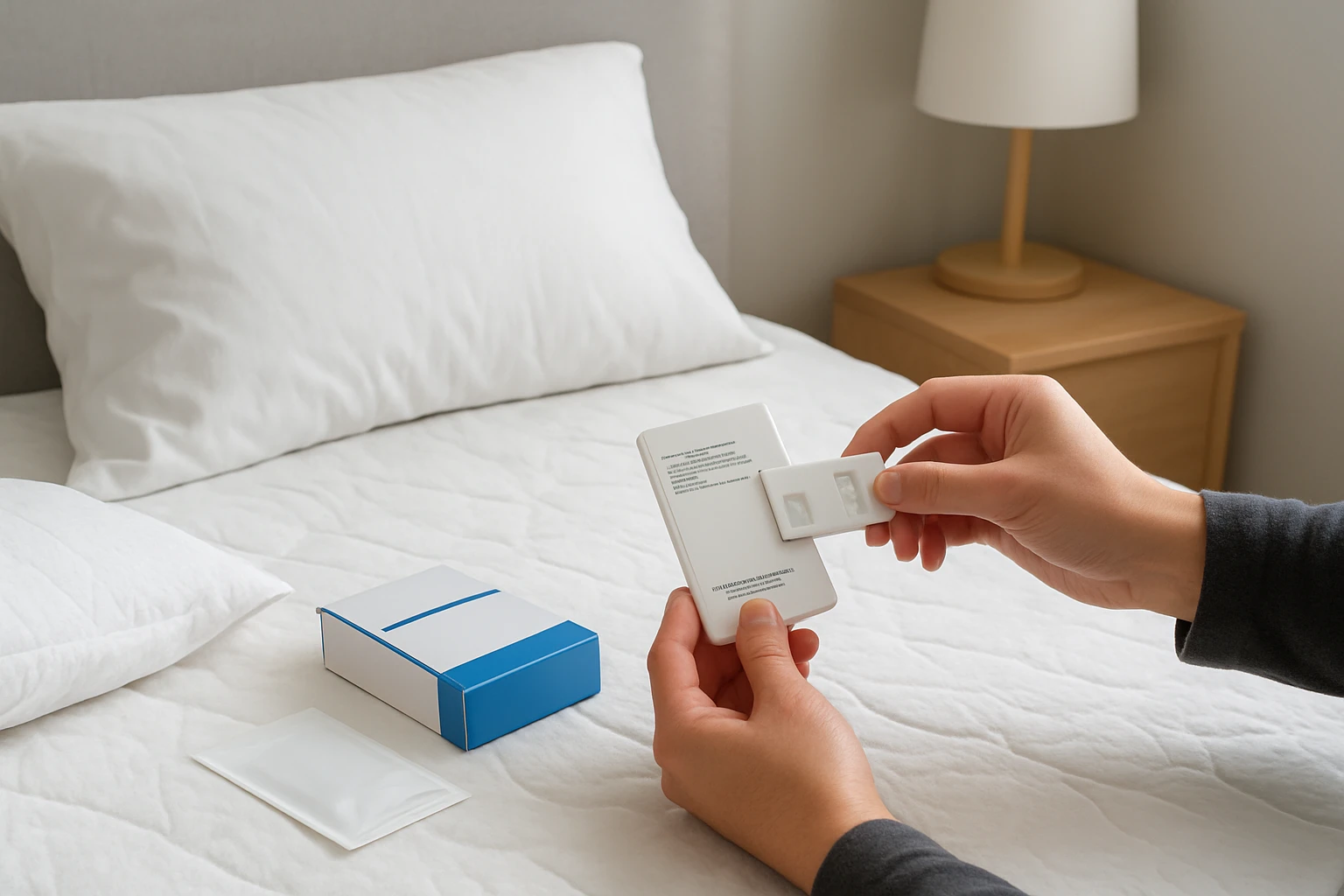
Home kits are designed for consumers who prefer immediate feedback. They generally include a sampling device, a buffer solution, and a color‑change strip that indicates allergen concentration. The user follows a simple protocol: collect a dust sample, mix with buffer, and compare the resulting color to a chart.
Key advantages include ease of use, rapid results, and the ability to test multiple locations without professional assistance. Limitations involve a narrower detection range and occasional false‑positives due to interfering substances such as pet dander.
When selecting a kit, consider the following criteria:
- Detection threshold (lower thresholds provide greater sensitivity).
- Number of samples per kit (bulk testing reduces per‑sample cost).
- User reviews and third‑party validation.
- Compatibility with existing laundry products that may affect allergen levels.
For readers who already use laundry additives to reduce mite waste, pairing a test kit with those products can create a feedback loop that measures effectiveness over time.
DIY Dust Sampling Techniques
DIY sampling is ideal for homeowners who wish to conduct longitudinal studies or compare allergen loads across different bedding sets. The most common technique uses a high‑efficiency particulate air (HEPA) vacuum equipped with a disposable filter. The filter captures dust, which is later extracted with a solvent and sent to a certified laboratory for ELISA analysis.
Steps for a reliable DIY sample:
- Choose a clean, lint‑free area of the mattress or pillow cover.
- Vacuum the area for 2‑3 minutes using a low‑suction setting to avoid pulling fibers into the filter.
- Seal the filter in a sterile bag and label with date, location, and humidity conditions.
- Ship the sample to an accredited lab that offers dust mite allergen testing.
Although the turnaround time can be 1‑2 weeks, the quantitative data enable precise tracking of allergen reductions after interventions such as washing, encasement, or environmental control.
Product Recommendations
Effective testing and mitigation often require complementary products. The following items have been selected based on their relevance to dust mite control, user ratings, and documented efficacy.
Laundry Additives
The first line of defense against dust mite waste in fabrics is a specialized laundry additive. DeMite Laundry Additive (8 oz) offers a fragrance‑free, gentle formula that can be used with any detergent. It contains tea tree oil, a natural deodorizer, and has received a 4.4‑star rating from 766 reviewers. At $24.95, the bottle provides approximately 12 wash loads, making it a cost‑effective option for smaller households.
For larger families or frequent laundering, the DeMite Laundry Additive (1 L) supplies enough concentrate for roughly 50 loads. Priced at $54.95 and sharing the same 4.4‑star rating, this size reduces per‑load expense and ensures consistent allergen removal throughout the year.
Both products are recommended by physicians, and user testimonials frequently cite reduced nasal congestion and clearer skin after regular use. The additive’s compatibility with any water temperature and wash cycle simplifies integration into existing laundry routines.
Allergen‑Proof Encasements
Encasing pillows and mattresses creates a physical barrier that prevents dust mites from colonizing bedding. The Mission Allergy Pillow Cover (Standard) employs a 2‑micron microfiber weave that blocks allergens while remaining breathable. With a 4.7‑star rating from 1,099 reviews and a price of $31.95, it offers a balance of durability and comfort. The cover’s zippered design includes interior and exterior flaps to eliminate gaps, a feature highlighted by allergy specialists.
For mattress protection, the Hospitology Mattress Encasement (Full) provides a waterproof, stretchable barrier that fits standard full/double mattresses. It has earned a 4.7‑star rating from over 15,000 reviewers and costs $41.00. The waterproof membrane prevents liquid spills while the breathable polyester knit maintains a cool sleeping surface, addressing concerns that many encasements trap heat.
Another high‑quality option is the National Allergy Cotton Duvet Protector. Constructed from 100 % cotton with a 300‑thread‑count weave, it offers a mean pore size of 2.6 microns, effectively blocking dust mites and pet dander. The product’s BugShield Zipper System ensures a sealed enclosure, and it holds a 4.2‑star rating from 1,384 reviewers. Priced at $69.95, it is an excellent choice for those who prioritize natural fibers and noiseless comfort.
Each of these encasements has been independently tested and recommended by medical professionals, making them reliable components of a comprehensive dust‑mite management plan.
Comparison / Selection Guide
| Feature | DeMite Additive (8 oz) | DeMite Additive (1 L) | Mission Pillow Cover | Hospitology Mattress Encasement | National Allergy Duvet Protector |
|---|---|---|---|---|---|
| Price | $24.95 | $54.95 | $31.95 | $41.00 | $69.95 |
| Rating | 4.4/5 (766) | 4.4/5 (766) | 4.7/5 (1,099) | 4.7/5 (15,069) | 4.2/5 (1,384) |
| Coverage | ~12 loads | ~50 loads | Pillow (Standard) | Full/Double mattress | Duvet (Full/Queen) |
| Key Benefit | Fragrance‑free, tea‑tree oil | Economical for high‑volume use | 2‑micron barrier, breathable | Waterproof, stretchable, breathable | 100 % cotton, silent, tight weave |
| Recommended For | Small households, occasional use | Large families, frequent laundering | Allergy‑prone sleepers | Those needing waterproof protection | Consumers preferring natural fibers |
The table assists readers in matching product attributes to personal needs. For example, a family with young children may prioritize the larger DeMite additive for cost efficiency, while a single adult with a sensitivity to synthetic fabrics may choose the cotton duvet protector.
Best Practices & Tips
Beyond product selection, consistent habits maximize allergen reduction:
- Wash bedding weekly in water hotter than 130 °F when fabric care instructions allow; the heat kills live mites. \n
- Use the recommended amount of laundry additive—excess can leave a lingering tea‑tree scent that some users find unpleasant.
- Replace pillow and mattress encasements every 2‑3 years, or sooner if seams become compromised.
- Maintain indoor humidity below 50 % using dehumidifiers or air conditioners, especially in bedrooms.
- Vacuum the bedroom floor and upholstered furniture with a HEPA‑rated vacuum at least twice weekly.
Integrating these practices with regular testing creates a feedback loop: test, treat, retest. Over time, users typically observe a measurable decline in allergen concentrations, corroborated by fewer allergy symptoms.
Frequently Asked Questions
1. How often should I test my bedding for dust mite allergens?
For individuals with diagnosed allergies, testing every 3‑6 months provides sufficient data to gauge the effectiveness of interventions. Seasonal variations in humidity may warrant more frequent testing during summer months.
2. Can I use a home test kit on pillowcases and mattress covers?
Yes, most kits include sampling swabs suitable for fabric surfaces. Ensure the fabric is dry and free of detergent residue before sampling to avoid false‑negative results.
3. Are fragrance‑free laundry additives necessary?
Fragrance‑free formulas reduce the risk of additional irritants for sensitive individuals. The DeMite additives are specifically formulated without added fragrances, relying on tea tree oil for natural deodorization.
4. Will a waterproof mattress encasement trap heat?
The Hospitology Mattress Encasement uses a breathable polyester knit that allows air and moisture vapor to pass while blocking liquids. Users report a cool sleeping surface comparable to non‑waterproof covers.
5. How do I know if my DIY sample was collected correctly?
Follow the lab’s sampling instructions precisely, especially regarding vacuum suction level and filter handling. Improper collection can lead to under‑estimation of allergen levels.
6. Is cotton less effective than microfiber at blocking allergens?
Cotton with a tight weave (2.6 microns) can be as effective as microfiber (2 microns) when the fabric is properly sealed with a zippered system. The National Allergy Cotton Duvet Protector demonstrates comparable performance while offering a natural feel.
7. Can I combine multiple products for better results?
Absolutely. Using a laundry additive in conjunction with allergen‑proof encasements creates a multi‑layered barrier that attacks both live mites and residual waste, delivering the most comprehensive protection.
Conclusion
Testing bedding for dust mite allergens is a critical component of an indoor allergy management strategy. By understanding the biology of dust mites, selecting appropriate testing methods, and employing proven products such as laundry additives and encasements, one can dramatically reduce allergen exposure. Regular testing, combined with best‑practice hygiene, creates a sustainable cycle of improvement that benefits respiratory health and overall well‑being.
Readers are encouraged to begin with a baseline test, implement the recommended products, and schedule follow‑up testing to verify progress. Over time, the data‑driven approach will empower individuals to maintain a healthier sleep environment without relying solely on medication.
Products Featured in This Guide
DeMite Laundry Additive (8 oz)
Price: $24.95 | Rating: 4.4/5 (766 reviews)
Featured for its fragrance‑free, tea‑tree‑oil formula that removes dust mite waste from fabrics, providing measurable allergy relief.
DeMite Laundry Additive (1 L)
Price: $54.95 | Rating: 4.4/5 (766 reviews)
Featured for its larger volume, delivering cost‑effective allergen removal for households with high laundry frequency.
Mission Allergy Pillow Cover (Standard)
Price: $31.95 | Rating: 4.7/5 (1,099 reviews)
Featured for its 2‑micron microfiber barrier, breathable design, and dual‑flap zipper that eliminates allergen escape.
Hospitology Mattress Encasement (Full)
Price: $41.00 | Rating: 4.7/5 (15,069 reviews)
Featured for its waterproof, stretchable construction that protects the mattress while remaining breathable and comfortable.
National Allergy Cotton Duvet Protector
Price: $69.95 | Rating: 4.2/5 (1,384 reviews)
Featured for its 100 % cotton, 300‑thread‑count weave, and BugShield Zipper System that provides a silent, breathable barrier against dust mites.