Introduction
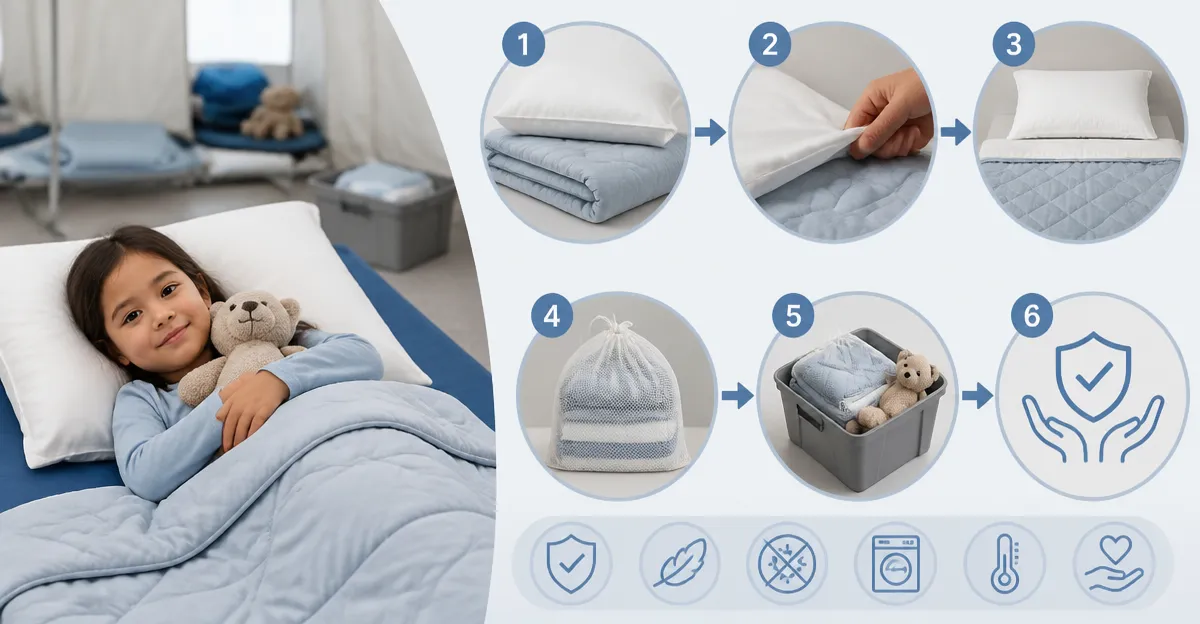
This guide explains how to create allergy‑friendly emergency shelter bedding for children who suffer from eczema. The reader will learn how to select hypoallergenic fabrics, assemble a complete bedding set, and pack the items for rapid deployment. The instructions emphasize safety, comfort, and durability, ensuring that the bedding reduces skin irritation and provides warmth in crisis situations. By following the steps, caregivers can protect vulnerable skin while maintaining a calm and organized shelter environment.
What You’ll Need
- Hypoallergenic twin‑size bedding set (comforter, sheets, pillowcase, and pillow sham).
- Water‑resistant storage bag or vacuum‑sealed pack for compact transport.
- Gentle detergent free of fragrances and dyes.
- Soft, breathable pillow for head support.
- Optional: additional lightweight blanket for extra warmth.
All of the recommended bedding options are available on Amazon and meet OEKO‑TEX or MADE IN GREEN certifications, which verify that the textiles are free from harmful substances.
Step 1: Choose a Certified Hypoallergenic Bedding Set
Select a bedding set that is made from 100 % polyester microfiber and carries an OEKO‑TEX Standard 100 or MADE IN GREEN certification. These certifications guarantee that the fabric has been tested for harmful chemicals and is safe for sensitive skin. The Amazon Basics Twin Kid’s Bed‑in‑a‑Bag offers a complete twin set that includes a comforter, flat sheet, fitted sheet, pillow sham, and pillowcase. It is priced at $33.96 and holds a rating of 4.8 out of 5 stars from 24,364 reviews. The set features ultra‑soft microfiber fabric, a plush polyester fill, and an OEKO‑TEX Standard 100 certification, making it ideal for children with eczema.
The set also provides all‑season weight, which prevents overheating—a common trigger for eczema flare‑ups. Because the pieces are machine washable on a cold permanent‑press cycle, caregivers can maintain hygiene without exposing the child to harsh chemicals.
Step 2: Evaluate Alternative Designs for Personal Preference
If a child prefers a more colorful or themed design, the Love’s Cabin Pink Twin Comforter Set offers a seersucker fabric with a breathable, lightweight construction. Priced at $34.19 and rated 4.4 out of 5 stars from 3,155 reviews, this set includes a 240 gsm down‑alternative fill that remains warm in winter yet feels cool in summer. The textured seersucker surface reduces friction against the skin, which can lessen irritation for eczema‑prone children.
The set contains a comforter, flat sheet, fitted sheet, pillowcase, and pillow sham, ensuring a coordinated look without the need to purchase additional pieces. Its machine‑washable nature and low‑heat tumble‑dry instructions align with the hygiene requirements of emergency shelters.
Step 3: Consider Themed Options That Encourage Positive Mood
For children who respond well to playful imagery, the Amazon Basics Butterfly Friends Bedding Set provides a vibrant butterfly print on the same soft microfiber material. This set costs $34.74 and shares a 4.8 rating from 24,364 reviews. The MADE IN GREEN certification confirms that the product is produced with reduced environmental impact and without harmful substances, which is reassuring for parents of children with skin sensitivities.
The butterfly design can create a joyful bedtime atmosphere, encouraging a sense of security during shelter stays. All pieces are machine washable, and the comforter weight is appropriate for year‑round use, preventing excessive sweating that could aggravate eczema.
Step 4: Add a Coordinated Comforter‑and‑Sham Pair for Simplicity
When space is limited, a two‑piece set may be preferable. The Amazon Basics Twin Dinosaur Comforter Set includes a comforter and a matching pillow sham for $27.49 with a rating of 4.7 out of 5 stars from 11,240 reviews. The dinosaur theme is appealing to many children, and the set maintains the same OEKO‑TEX Standard 100 certification for safety.
This streamlined set reduces the number of items to pack while still providing a complete sleeping surface. The microfiber fabric remains breathable and soft, and the set can be washed together without risk of color bleeding, which simplifies cleaning in a shelter environment.
Step 5: Pack the Bedding for Rapid Deployment
Place the complete bedding set inside a water‑resistant storage bag or a vacuum‑sealed pouch. The vacuum‑sealed packaging used by Love’s Cabin helps the comforter fluff quickly after removal, saving valuable time during emergency set‑up. Ensure that the bag is labeled clearly so that caregivers can locate it without delay.
Store a small bottle of fragrance‑free detergent nearby to enable immediate washing if the bedding becomes soiled. Use a gentle cycle with cold water and a low‑heat tumble‑dry setting to preserve the integrity of the microfiber fibers and the OEKO‑TEX certification.
Tips & Pro Tips
- Always wash new bedding before first use to remove any residual manufacturing chemicals.
- Choose a pillow with a hypoallergenic, washable cover to avoid additional allergens.
- Rotate the bedding weekly in the shelter to prevent wear patterns that could irritate the skin.
- Keep a spare set of sheets in a separate bag to allow quick changes if a flare‑up occurs.
- Consider adding a thin, breathable cotton liner between the child and the comforter for extra protection against sweat.
Troubleshooting
Problem: The comforter feels too warm during hot weather.
Solution: Replace the comforter with a lighter seersucker set such as the Love’s Cabin Pink Twin Comforter Set, which offers a breathable texture and a lower fill weight.
Problem: The fabric develops pilling after multiple washes.
Solution: Use a gentle detergent, avoid fabric softeners, and wash on a permanent‑press cycle. If pilling persists, consider switching to the Amazon Basics Twin Dinosaur Comforter Set, which has received praise for durability.
Conclusion
Creating allergy‑friendly emergency shelter bedding for children with eczema requires careful selection of certified, breathable fabrics and thoughtful packing strategies. By following the steps outlined above, caregivers can assemble a complete bedding solution that minimizes skin irritation, provides comfort, and remains easy to maintain in challenging environments. The recommended products combine safety certifications, positive customer feedback, and practical design features, ensuring that children receive the best possible care during emergencies.
Products Mentioned in This Guide
Frequently Asked Questions
What certifications should I look for when buying hypoallergenic bedding for children with eczema?
Choose bedding certified by OEKO‑TEX or MADE IN GREEN, which guarantee textiles are free from harmful substances.
Why is a water‑resistant or vacuum‑sealed storage bag important for emergency bedding?
It keeps the bedding dry, compact, and protected from contaminants, ensuring quick deployment and hygiene.
Can I use regular detergent for washing the allergy‑friendly bedding?
Use a fragrance‑free, dye‑free detergent to avoid skin irritation; regular scented detergents may trigger eczema flare‑ups.
Is an extra lightweight blanket necessary in the emergency bedding kit?
An optional lightweight blanket adds warmth without bulk, useful for colder shelters or for children who need extra coverage.
How do I assemble and pack the bedding set for rapid deployment?
Lay out the hypoallergenic sheets, comforter, and pillow, then fold them neatly into the water‑resistant bag, sealing it for easy transport.