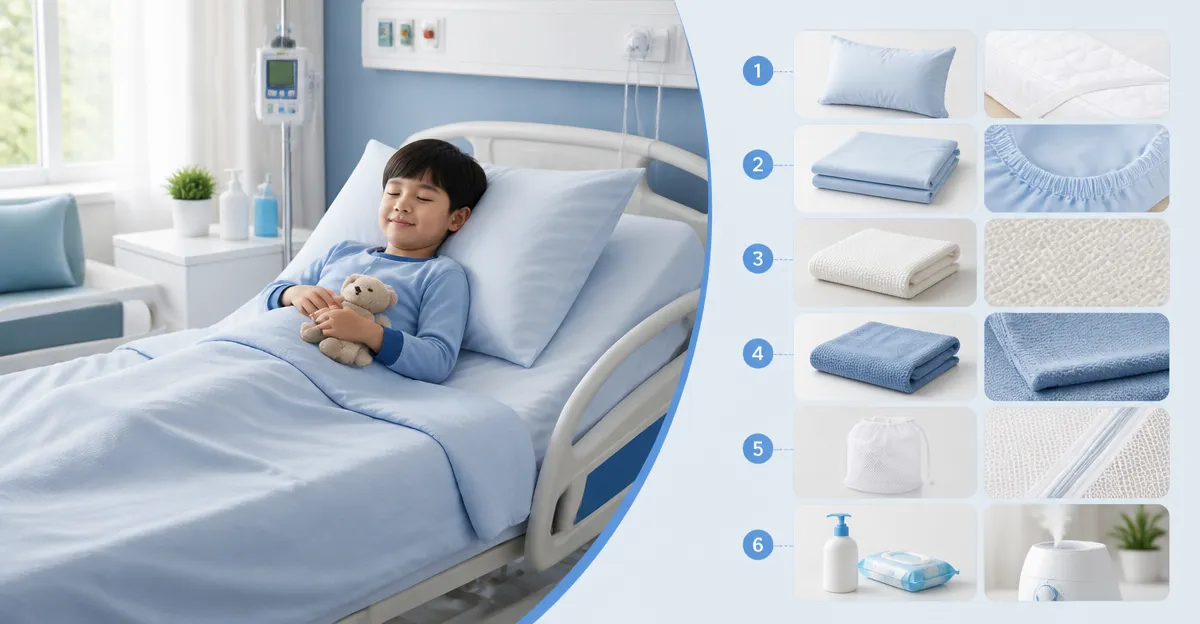
How to Create a Hospital Bedding Checklist for a Child with Eczema: Essential Hypoallergenic Linens & Comfort Tips
Introduction
The reader will learn how to assemble a hospital‑grade bedding system that reduces eczema triggers and promotes restful sleep. The guide emphasizes the importance of barrier protection, breathable fabrics, and easy‑care solutions for a child who experiences sensitive skin. By following the steps, caregivers can create a consistent environment that minimizes exposure to allergens, dust mites, and moisture. The information is valuable because proper bedding can lessen flare‑ups, improve skin health, and support overall well‑being.
What You Will Need
- AllerEase Pillow Protector (4‑Pack)
- Amazon Basics Mattress Topper
- Hospitology Mattress Encasement
- CGK Sheet Set
- California Design Den Sheet Set
Step 1: Prepare the Mattress Surface
The foundation of a hypoallergenic bed begins with a clean, protected mattress. First, remove any existing covers and vacuum the mattress to eliminate dust mites and loose debris. Next, place the Hospitology Mattress Encasement over the mattress, ensuring the zippered closure fully encloses all six sides. This encasement is 100% waterproof, stretchable to fit depths from 12 to 18 inches, and features a breathable polyester knit that prevents heat buildup while blocking allergens; it is priced at $44.00 and holds a 4.6‑star rating from 11,890 reviews. The waterproof barrier protects against sweat, accidental spills, and mold, all of which can aggravate eczema.
Step 2: Add a Comfort Layer
After the encasement, a quilted topper adds a plush, temperature‑regulating layer that does not compromise hypoallergenic protection. Unfold the Amazon Basics Mattress Topper and align it with the mattress edges; the elastic skirt secures the topper on mattresses up to 18 inches deep. The topper consists of an 80% polyester/20% cotton shell with a 100% polyester fill, offering a soft yet supportive feel; it is priced at $16.50 and enjoys a 4.6‑star rating from 36,528 reviewers. Its hypoallergenic certification (OEKO‑TEX Standard 100) ensures that no harmful chemicals are present, which is essential for children with sensitive skin.
Step 3: Choose the Ideal Sheet Set
The sheet set should combine breathability, softness, and durability while fitting the deep‑pocket mattress configuration. Two high‑quality options are available: the CGK Sheet Set and the California Design Den Sheet Set. The CGK set, priced at $17.49 with a 4.5‑star rating from 461,948 reviews, is made from double‑brushed microfiber that feels silky, remains cool, and resists pilling; deep pockets accommodate mattresses up to 16 inches. The California Design Den set, priced at $52.99 with a 4.5‑star rating from 47,672 reviews, uses 100% long‑staple cotton sateen, providing a buttery smooth hand feel and a breathable weave that softens with each wash. For a child prone to overheating, the microfiber CGK set may feel cooler, whereas the cotton sateen offers a luxurious, breathable surface that reduces friction on delicate skin.
Step 4: Protect the Pillows
Pillows can harbor dust mites, sweat, and skin flakes, all of which can trigger eczema flare‑ups. Encase each pillow with the AllerEase Pillow Protector, which fully encloses the pillow using a zippered closure. The protector is composed of 88% polyester and 12% nylon, offering a breathable, quiet fabric that does not alter the pillow’s feel; it is priced at $13.98 and carries a 4.7‑star rating from 7,450 reviewers. Its moisture‑wicking properties keep the pillow dry, while the allergen‑blocking weave prevents dust mites from penetrating the pillow, thereby reducing skin irritation during sleep.
Step 5: Establish a Daily Maintenance Routine
Consistent cleaning reinforces the hypoallergenic environment and prevents the buildup of irritants. Wash the sheet set, pillow protectors, and mattress topper weekly in warm water, using a gentle detergent without added fragrances; this removes sweat, skin cells, and potential allergens. The mattress encasement can be machine washed and tumble‑dried on low heat, preserving its waterproof barrier while ensuring cleanliness. After each wash, dry all components promptly to avoid moisture retention, which could foster mold growth and exacerbate eczema.
Step 6: Optimize Bedroom Climate
Temperature and humidity control are critical for children with eczema, as excessive heat can increase itching. Maintain bedroom humidity between 40 % and 60 % using a humidifier in dry climates or a dehumidifier in damp environments. Keep the room temperature between 65 °F and 70 °F; the breathable fabrics of the chosen sheets and protectors will help regulate body heat without trapping warmth. Consider using a fan or air‑purifier to circulate air and reduce airborne allergens.
Tips & Pro Tips
- Rotate the mattress topper every three months to ensure even wear and consistent comfort.
- Choose fragrance‑free laundry detergents and avoid fabric softeners that may leave residues on hypoallergenic fabrics.
- Inspect the zippered closures of the pillow protectors and mattress encasement weekly for signs of wear; replace any damaged components promptly.
- When purchasing replacement sheets, match the thread count and weave type to the original set to preserve the intended breathability.
- Store spare pillow protectors in a clean, dry container to protect them from dust when not in use.
Troubleshooting
Problem: The mattress topper shifts during the night.
Solution: Ensure the elastic skirt is fully stretched around the mattress and consider adding non‑slip pads beneath the topper to increase friction.
Problem: The pillow protector makes a crinkling noise.
Solution: Verify that the zip is fully closed and that the protector is not folded; the AllerEase design is specifically engineered to be quiet when fully sealed.
Problem: Skin irritation persists despite using hypoallergenic bedding.
Solution: Review the bedroom’s overall environment for additional allergens such as pet dander, and consider using an air purifier with a HEPA filter.
Conclusion
By following this checklist, caregivers can create a hospital‑grade bedding environment that minimizes eczema triggers and supports healthy sleep. The combination of a waterproof mattress encasement, breathable topper, soft sheet set, and fully sealed pillow protectors forms a comprehensive barrier against allergens, moisture, and heat. Regular maintenance and climate control further enhance the effectiveness of the system, ensuring that the child experiences fewer flare‑ups and better skin health. Implementing these steps will provide lasting comfort and peace of mind for both the child and the caregiver.
Products Mentioned in This Guide
Frequently Asked Questions
What types of fabrics are best for a hospital bedding checklist for a child with eczema?
Choose breathable, hypoallergenic fabrics like 100% cotton or bamboo that allow airflow and reduce moisture buildup.
Why is a mattress encasement important for eczema‑prone children in the hospital?
A fully sealed encasement blocks dust mites, allergens, and liquids, creating a barrier that protects sensitive skin.
How often should pillow and mattress protectors be washed in a hospital setting?
Wash them weekly in hot water (at least 130°F) and dry on high heat to eliminate allergens and bacteria.
Can a mattress topper improve comfort for a child with eczema during a hospital stay?
Yes, a thin, breathable topper adds a soft layer while still allowing the underlying hypoallergenic mattress to breathe.
What additional steps can caregivers take to minimize eczema flare‑ups while using hospital bedding?
Keep the room humidity between 40‑50%, avoid harsh detergents, and use fragrance‑free skin‑care products alongside the bedding.