Introduction
One often assumes that a mattress protector is a disposable item, yet many users discover that a well‑maintained protector can extend the life of a mattress for years. This guide explains how to repair a mattress protector without compromising its waterproof barrier, ensuring that the sleeping surface remains protected from spills, allergens and bed bugs. Readers will learn to assess damage, perform precise repairs, and select appropriate tools that preserve the integrity of the waterproof membrane. The information is valuable for homeowners, renters and hospitality professionals who seek cost‑effective maintenance solutions.
What You’ll Need
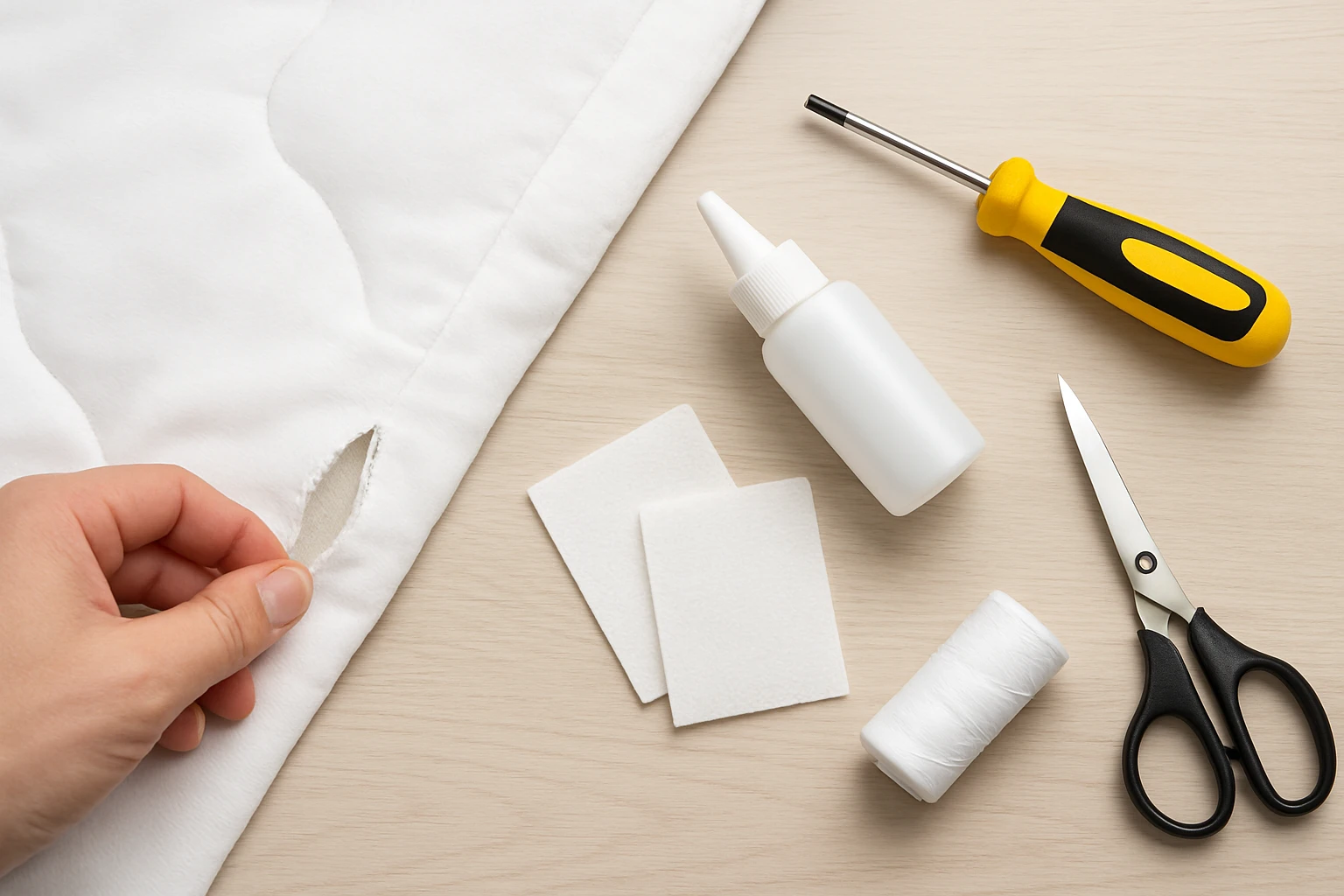
- Clean, lint‑free cloths for surface preparation.
- Mild detergent and warm water for gentle cleaning.
- Waterproof repair tape or a patch made from a matching protector material.
- Scissors with fine blades for accurate cutting.
- Measuring tape to verify seam dimensions.
- Optional: a replacement protector for extensive damage.
- Utopia Bedding Mattress Protector – $26.99, rating 4.6/5 (130,633 reviews).
- OhGeni Mattress Protector – $13.99, rating 4.5/5 (2,210 reviews).
- SPRINGSPIRIT Mattress Protector – $13.99, rating 4.6/5 (6,703 reviews).
Step 1: Assess the Damage
The first step is to examine the protector under bright lighting, looking for tears, seam separation, or areas where the waterproof coating appears worn. Use a measuring tape to record the length and width of each defect; this information will guide the size of any patch required. If the damage is limited to a small tear (less than two inches), a simple patch will suffice. Larger gaps, especially those that compromise the zippered enclosure, may necessitate a full‑size replacement.
Step 2: Clean the Affected Area
Before applying any repair material, the area must be clean and dry. Mix a small amount of mild detergent with warm water and gently dab the surface using a lint‑free cloth. Avoid saturating the waterproof membrane; excess moisture can seep into the fabric and weaken the coating. After cleaning, allow the region to air dry completely, or use a low‑heat setting on a hair dryer held at a safe distance. A clean surface ensures optimal adhesion of repair tape or patch material.
Step 3: Apply a Waterproof Patch
If the tear is minor, cut a piece of waterproof repair tape that exceeds the tear dimensions by at least one centimeter on each side. The tape should be compatible with polyester fabrics, which constitute the primary material of the protectors. Press the tape firmly onto the underside of the protector, smoothing out any air bubbles. For those who prefer a fabric‑based patch, a small square cut from an unused section of a spare Utopia Bedding Mattress Protector can be sewn or glued in place. This method maintains the original waterproof coating because the patch originates from the same product line.
Step 4: Reinforce Seams with a Zippered Encasement
Seam failure often occurs when the zippered closure loses tension or the fabric around the zipper frays. To restore full protection, position a new zippered encasement over the existing protector, aligning the seams precisely. The Utopia Bedding Mattress Protector features a 360° zippered closure that provides a tight, secure fit without shifting. Its stretchy polyester fabric ensures that the protector remains in place while the zipper prevents liquid ingress at the edges. Secure the zipper fully, then test the fit by gently pulling on the corners; the protector should remain taut.
Step 5: Replace the Protector When Necessary
When damage is extensive—such as multiple tears, compromised waterproof coating, or a broken zipper—replacing the protector is the most reliable solution. The OhGeni Mattress Protector offers a deep‑pocket design that accommodates mattresses up to 18 inches thick, making it suitable for most queen‑size beds. Its 100% waterproof membrane prevents liquid penetration while the soft, skin‑friendly top layer maintains comfort. Alternatively, the SPRINGSPIRIT Mattress Protector provides a breathable terry surface combined with a TPU waterproof layer, delivering both comfort and protection. Selecting a new protector that matches the mattress depth and personal comfort preferences ensures a seamless transition.
Tips & Pro Tips
- Always test a small inconspicuous area before applying any adhesive to confirm that it does not discolor the fabric.
- For quiet sleep environments, choose protectors that advertise a non‑crinkling design, such as the Utopia Bedding model.
- Maintain a spare protector in the laundry basket; rotating protectors allows one to dry while the other remains in use.
- When using repair tape, apply gentle heat with a hair dryer to improve adhesion without damaging the waterproof layer.
- Store protectors folded loosely rather than tightly rolled to avoid creating permanent creases that could weaken seams.
Troubleshooting
Problem: Water leaks through a repaired area.
Solution: Verify that the repair tape fully covers the tear and that no gaps remain at the edges. If the tape has lifted, re‑apply heat and press firmly. If leakage persists, replace the protector entirely.
Problem: The zipper catches or does not close smoothly.
Solution: Lubricate the zipper gently with a silicone‑based spray designed for fabrics. Avoid oil‑based products, as they can degrade the waterproof coating.
Conclusion
Repairing a mattress protector requires careful assessment, proper cleaning, and the use of suitable waterproof materials. By following the steps outlined above, one can restore the protector’s barrier without compromising comfort or durability. Selecting the appropriate product—whether a patch from a Utopia Bedding protector, a full replacement from OhGeni, or a breathable alternative from SPRINGSPIRIT—enhances the effectiveness of the repair. Regular maintenance and prompt attention to minor damage will extend the life of the protector, safeguarding the mattress and promoting a healthier sleeping environment.
Products Mentioned in This Guide
Frequently Asked Questions
What are the first steps to assess damage on a mattress protector?
Clean the area with a lint‑free cloth and mild detergent, then inspect for tears, seam splits, or punctures before deciding on a repair method.
Which type of tape should be used to repair a mattress protector without compromising its waterproof barrier?
Use a waterproof repair tape or a patch made from the same protector material, as these are designed to maintain the membrane’s integrity.
Can regular fabric tape or duct tape be used on a mattress protector?
No, ordinary tapes can damage the waterproof coating and allow liquids to seep through.
When is it better to replace the mattress protector rather than repair it?
Replace it if the damage is extensive, the waterproof layer is worn, or multiple seams are torn, as repairs may not restore full protection.
How can I ensure the repaired seam stays waterproof after fixing?
Apply the waterproof tape over a clean, dry surface, press firmly to seal, and test with a few water droplets to confirm no leaks.