How to Dispose of and Recycle Waterproof Mattress Covers: The Complete Eco‑Friendly Guide
Introduction
The modern bedroom often includes a waterproof mattress cover to protect against spills, stains, and allergens. While these protectors extend the life of a mattress, they eventually reach the end of their useful life. This guide explains how to responsibly dispose of, recycle, or repurpose waterproof mattress covers, and it highlights three highly rated products that exemplify sustainable design. Readers will learn the environmental impact of common disposal methods, discover recycling pathways, and gain practical tips for minimizing waste.
Background and Context
Waterproof mattress covers are typically composed of a blend of natural fibers (such as cotton or polyester terry) and a waterproof membrane made from polyurethane laminate (PU) or thermoplastic polyurethane (TPU). The membrane provides a barrier against liquids but also complicates recycling because it must be separated from the fabric layer. When a cover is discarded in a landfill, the synthetic membrane can persist for decades, contributing to microplastic pollution. Understanding the material composition is therefore essential for selecting an appropriate end‑of‑life strategy.
In many jurisdictions, textile recycling programs accept mixed‑fiber items, but they often reject products with a waterproof coating. Specialized facilities that can separate PU or TPU membranes from the fabric are limited, making it important to explore alternative solutions such as donation, upcycling, or manufacturer take‑back programs.
Assessing Your Mattress Cover Before Disposal
Before deciding on a disposal method, evaluate the condition of the cover:
- Good condition: If the cover is still functional, consider donating it to shelters, hospitals, or Airbnb hosts who need extra protection.
- Minor wear: Slight tears or faded fabric can be repurposed as pet bedding, floor protectors, or craft material.
- Severe damage: When the waterproof layer is compromised, recycling or proper landfill disposal becomes necessary.
Documenting the cover's material composition (e.g., 80% cotton, 20% polyester with a 100% polyurethane laminate) will help recycling facilities determine eligibility.
Eco‑Friendly Disposal Strategies
Below are the most sustainable pathways for disposing of waterproof mattress covers, arranged from highest to lowest environmental benefit.
1. Donation and Reuse
Many charitable organizations accept gently used mattress protectors. Reuse extends the product’s lifespan, reduces demand for new manufacturing, and provides immediate protection for vulnerable populations. Contact local shelters, nursing homes, or community centers to confirm acceptance criteria.
2. Upcycling and Repurposing
Creative upcycling can transform an old cover into useful household items. For example, the cotton terry side can become a washable pet mat, while the waterproof side can serve as a protective sheet for garage floors or workshop benches. This approach eliminates waste without requiring additional processing.
3. Manufacturer Take‑Back Programs
Some manufacturers offer take‑back or recycling programs for their products. Check the brand’s website or customer service for details. When available, this option ensures that the waterproof membrane is properly separated and recycled.
4. Textile Recycling Facilities
Locate a textile recycling drop‑off that accepts mixed‑fiber items. Provide the material breakdown and request that the facility attempt to separate the PU/TPU layer. Even if full recycling is not possible, the fabric component may still be reclaimed.
5. Landfill Disposal as a Last Resort
If no other options exist, dispose of the cover in the regular trash. To minimize environmental impact, cut the cover into smaller pieces to reduce bulk and facilitate future waste‑to‑energy conversion where available.
Recommended Products for Sustainable Sleep
Choosing a mattress protector that balances performance with recyclability can simplify future disposal. The following products are highly rated, feature durable yet relatively recyclable materials, and exemplify best practices in sustainable design.
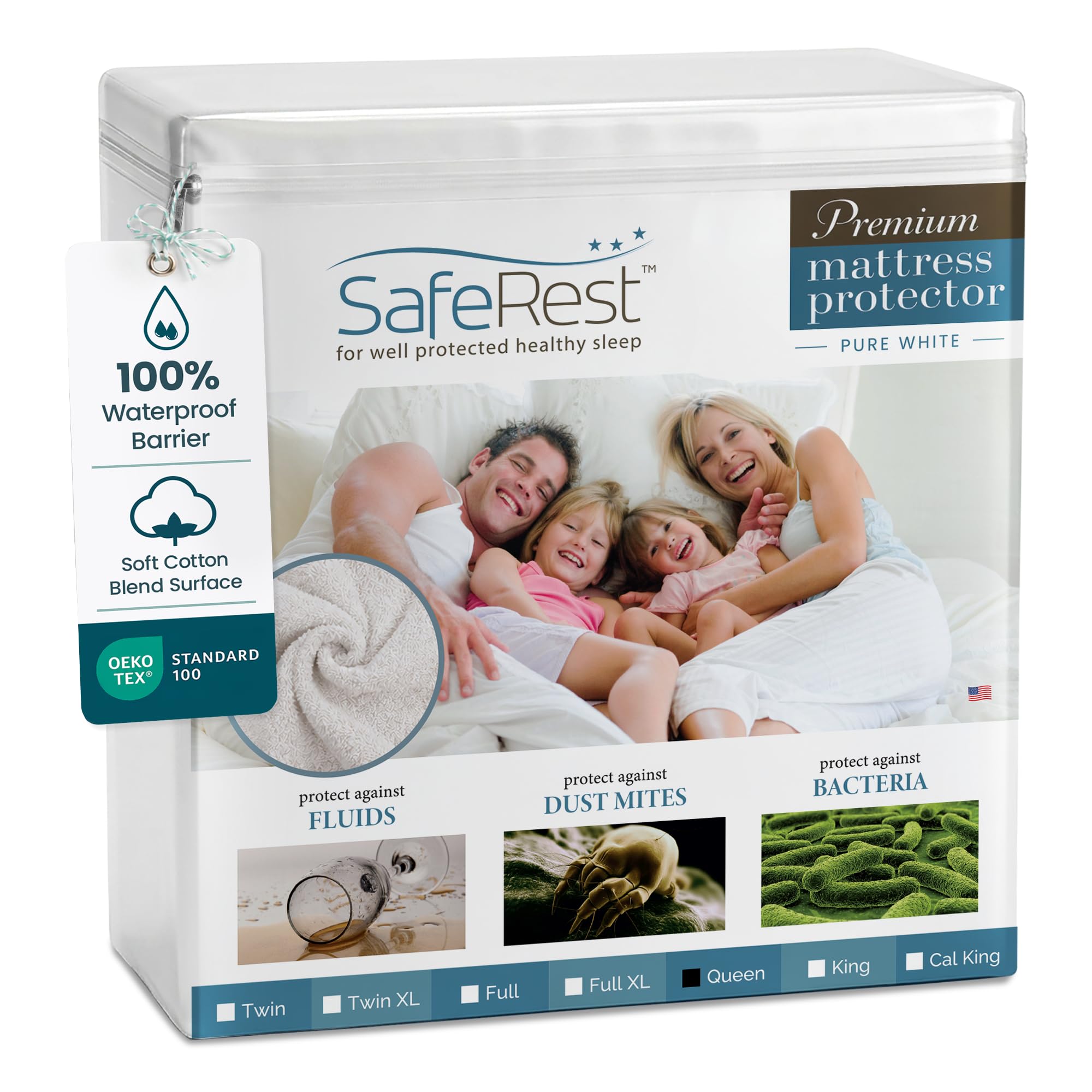
SafeRest Queen Waterproof Mattress Protector
SafeRest Queen Waterproof Mattress Protector offers a blend of 80% cotton and 20% polyester terry cloth with a 100% polyurethane laminate membrane. Priced at $41.99, it holds a 4.6‑star rating from 280,135 reviews. Key features include a quiet, breathable design, machine‑washable construction, and deep‑pocket fit that stays securely in place. Its cotton‑rich surface enhances biodegradability, while the PU layer can be separated for recycling where facilities exist.
GOPOONY Queen Cooling Mattress Protector
GOPOONY Queen Cooling Mattress Protector incorporates a premium TPU waterproof layer and a 3D air fabric that promotes airflow. Available for CAD 53.24, it also enjoys a 4.6‑star rating from 17,209 reviews. The product’s deep 18‑inch pocket accommodates thicker mattresses, and its cooling fibers reduce heat retention, making it ideal for warm climates. Although TPU is more challenging to recycle than PU, the fabric’s high breathability reduces the need for frequent washing, thereby conserving water.
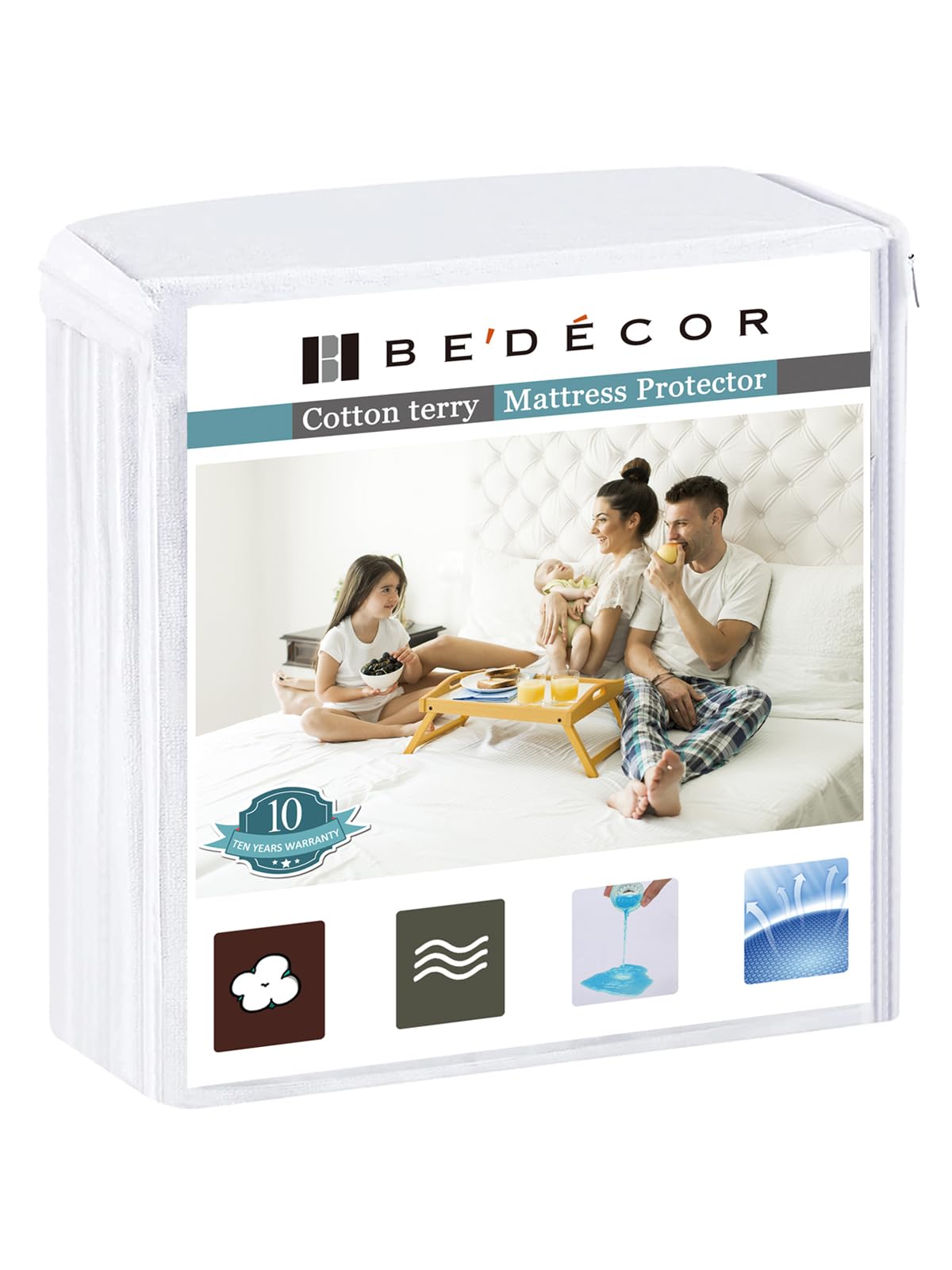
Bedecor Queen Waterproof Mattress Protector
Bedecor Queen Waterproof Mattress Protector features a plush cotton terry surface with a waterproof, urine‑proof layer. At $18.36, it is the most affordable option and carries a 4.6‑star rating from 20,079 reviews. Its quiet, noiseless design makes it suitable for light sleepers, and the deep‑pocket fit ensures a secure seal. The cotton terry component is fully biodegradable, and the waterproof layer can be removed for separate recycling where programs exist.
Comparison and Selection Guide
| Feature | SafeRest | GOPOONY | Bedecor |
|---|---|---|---|
| Material Composition | 80% cotton / 20% polyester + 100% PU laminate | Premium TPU membrane + 3D air fabric | Cotton terry surface + waterproof layer |
| Price (USD) | $41.99 | CAD 53.24 (≈ $38.50 USD) | $18.36 |
| Rating | 4.6/5 (280k reviews) | 4.6/5 (17k reviews) | 4.6/5 (20k reviews) |
| Breathability | Quiet & breathable | 3D air fabric for cooling | Quiet, noiseless |
| Deep Pocket | Standard Queen depth | 18‑inch deep pocket (fits up to 21") | 18‑inch deep pocket |
| Eco Considerations | Cotton‑rich, PU recyclable where available | TPU less recyclable, but high cooling efficiency reduces wash cycles | Fully biodegradable cotton surface, affordable for bulk use |
When selecting a protector, prioritize cotton‑rich fabrics for better end‑of‑life recyclability, and consider the depth of the pocket to ensure a snug fit that prevents slippage and reduces the need for replacement.
Best Practices & Tips for Extending the Life of Your Mattress Cover
- Wash sparingly: Use cold water and a gentle cycle; excessive washing degrades the waterproof membrane.
- Air dry when possible: Tumble drying on low heat preserves elasticity and reduces energy consumption.
- Rotate protectors: If you own multiple covers, rotate them to distribute wear evenly.
- Spot‑clean spills promptly: Immediate blotting prevents liquids from seeping into the membrane.
- Store flat: When not in use, keep the protector folded loosely to avoid creasing the waterproof layer.
Implementing these habits not only prolongs the product’s lifespan but also diminishes the frequency of disposal, thereby reducing overall environmental impact.
Frequently Asked Questions
- Can I recycle a waterproof mattress cover with regular textiles? Most municipal textile programs cannot process the polyurethane or TPU membrane. Contact the recycling center to confirm whether they accept mixed‑material items.
- Is it safe to donate a used mattress protector? Yes, provided the cover is clean and free of mold or strong odors. Many shelters appreciate the added protection for their bedding.
- How do I know which material my protector contains? Review the product description for material breakdown. Look for terms such as "polyurethane laminate" or "TPU" for the waterproof layer.
- What is the most eco‑friendly way to dispose of a damaged protector? If a take‑back program exists, use it. Otherwise, separate the fabric from the membrane (if feasible) and recycle each component accordingly.
- Can I compost the cotton portion? The cotton terry surface is biodegradable, but it is bonded to the waterproof layer, making pure composting impractical without separation.
- Do waterproof protectors affect mattress warranty? Most manufacturers, including the brands listed, state that using a proper protector does not void the mattress warranty and can even extend its life.
- Are there any certifications to look for? Look for OEKO‑Tex Standard 100 or Greenguard certifications, which indicate low‑impact manufacturing and safer materials.
Conclusion
Disposing of waterproof mattress covers responsibly requires an understanding of material composition, available recycling pathways, and practical reuse options. By following the strategies outlined—donation, upcycling, manufacturer take‑back, or specialized textile recycling—consumers can dramatically reduce landfill waste. Selecting protectors with cotton‑rich fabrics and recyclable membranes, such as the SafeRest Queen Waterproof Mattress Protector, the GOPOONY Queen Cooling Mattress Protector, or the Bedecor Queen Waterproof Mattress Protector supports a more sustainable bedroom ecosystem. Implementing best‑practice care routines further extends product life, minimizing the frequency of disposal and conserving resources.
Products Featured in This Guide
SafeRest Queen Waterproof Mattress Protector
Price: $41.99
Rating: 4.6/5 (280,135 reviews)
Featured for its cotton‑rich fabric and recyclable PU laminate, offering a balance of comfort and eco‑friendly end‑of‑life options.
GOPOONY Queen Cooling Mattress Protector
Price: CAD 53.24
Rating: 4.6/5 (17,209 reviews)
Featured for its premium TPU waterproof layer and 3D air fabric, providing cooling performance while encouraging less frequent laundering.
Bedecor Queen Waterproof Mattress Protector
Price: $18.36
Rating: 4.6/5 (20,079 reviews)
Featured for its affordable price, plush cotton terry surface, and quiet, noiseless design, making it a practical choice for eco‑conscious households.