
Introduction
This guide explains when it is necessary to replace bedding that is marketed as eczema‑friendly. Readers will learn how to recognise the subtle signs of chemical degradation, understand why those signs matter for sensitive skin, and discover practical product recommendations that maintain a healthy sleep environment. By the end of the article, one will be equipped to make informed decisions about bedding replacement, minimise flare‑ups, and protect long‑term skin health.
Background / Context
Eczema, also known as atopic dermatitis, is characterised by a compromised skin barrier that reacts to irritants, allergens, and moisture loss. Bedding that claims to be eczema‑friendly typically uses fabrics that are soft, breathable, and free from harmful chemicals such as formaldehyde, azo dyes, and certain flame‑retardant finishes. However, even the most carefully selected fibers can undergo chemical breakdown over time due to repeated washing, exposure to heat, and friction. When breakdown occurs, previously inert fibers may release irritants, lose their moisture‑wicking ability, and become rougher, all of which can trigger skin irritation.
Understanding the lifecycle of these fabrics is essential for anyone who experiences frequent eczema flare‑ups. The following sections outline the key concepts, provide evidence‑based recommendations, and illustrate how to apply the information to everyday bedding choices.
Recognising Chemical Breakdown in Eczema‑Friendly Bedding
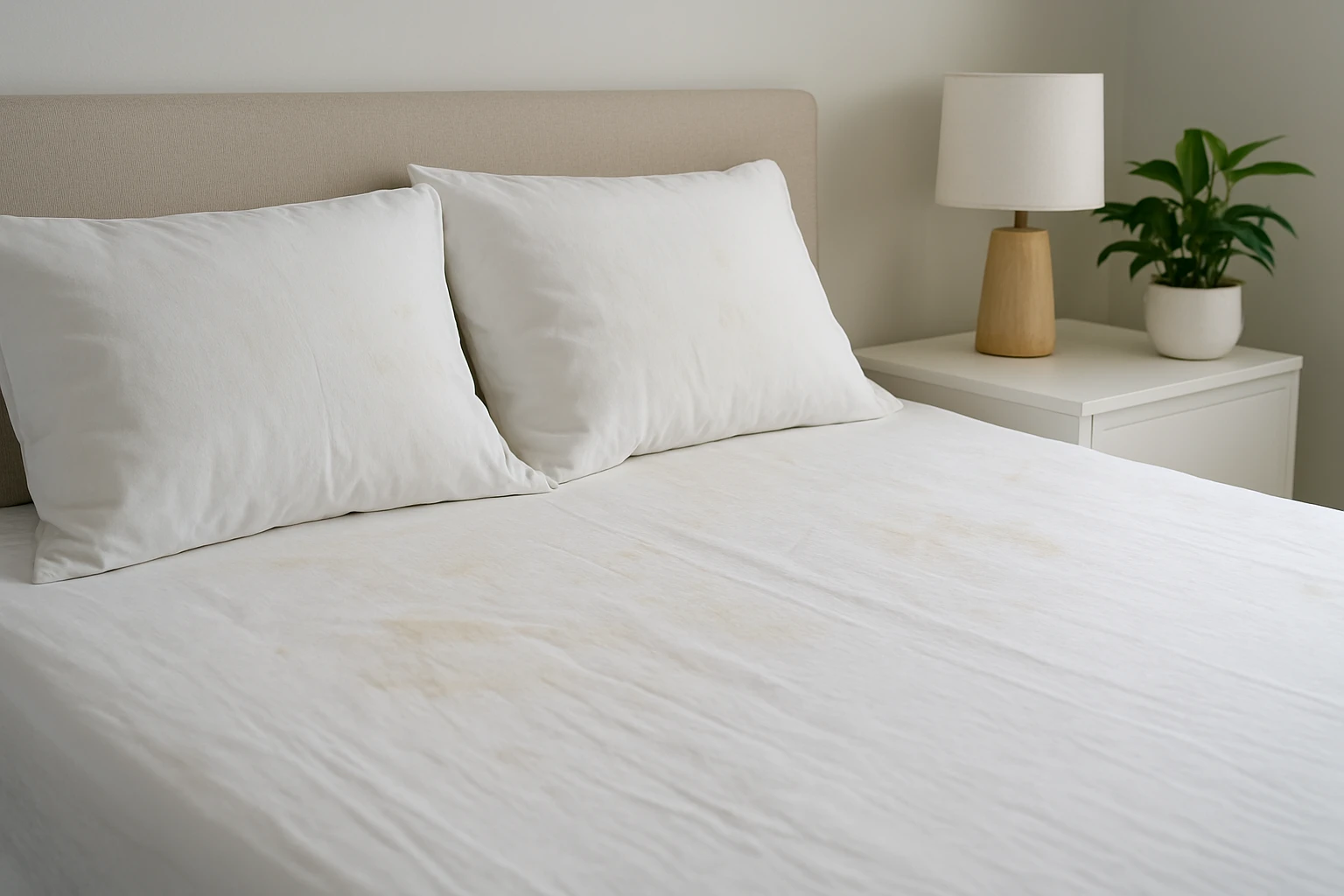
There are several observable indicators that a sheet set is no longer providing the protective qualities it once did. The most common signs include:
- Noticeable loss of softness or a coarse texture after multiple washes.
- Fading or discoloration that suggests dye degradation.
- Persistent odours that were not present when the sheets were new.
- Visible pilling or fabric wear that creates small abrasive particles.
- Increased static electricity, which can attract dust and allergens.
When any of these symptoms appear, it is prudent to evaluate the bedding’s age and consider replacement, especially for individuals with eczema who cannot tolerate additional skin stressors.
When to Replace Eczema‑Friendly Bedding
Experts recommend replacing bedding every two to three years under normal usage, but the timeline can be shortened if any of the breakdown signs are present. The following criteria help determine the optimal replacement window:
- Frequency of Washing: If the sheets are laundered more than twice a week, the fabric may degrade faster. High‑temperature washes accelerate chemical changes.
- Visible Wear: Pilling, thinning, or fraying indicates that the protective barrier is compromised.
- Allergy or Irritation Episodes: An increase in eczema flare‑ups that coincides with recent bedding use is a strong indicator of degradation.
- Manufacturer Guidance: Some brands provide specific warranty periods; adhering to those timelines ensures continued certification compliance.
By monitoring these factors, one can maintain a bedding environment that supports skin health and reduces the risk of flare‑ups.
Product Recommendations for Eczema‑Friendly Bedding
Below are three highly rated sheet sets that meet stringent safety standards and have proven performance for sensitive skin. The first mention of each product includes a direct affiliate link.
1. Bare Home Queen Microfiber Sheet Set
This microfiber collection offers ultra‑soft, hydro‑brushed fabric that remains breathable throughout the year. Key specifications include deep pockets that accommodate mattresses up to 15 inches, all‑around elastic for a secure fit, and OEKO‑TEX STANDARD 100 certification that verifies freedom from over 1,000 harmful substances. The set is priced at $39.99 and holds a 4.5‑star rating from 57,539 reviews, indicating broad consumer satisfaction.
- Ultra‑soft, lightweight construction for year‑round comfort.
- Deep‑pocket fitted sheet (60" x 80" x 15") suitable for most queen‑size mattresses.
- Machine‑washable; retains colour and texture after repeated cycles.
2. Bedsure Bamboo Cooling Queen Sheets
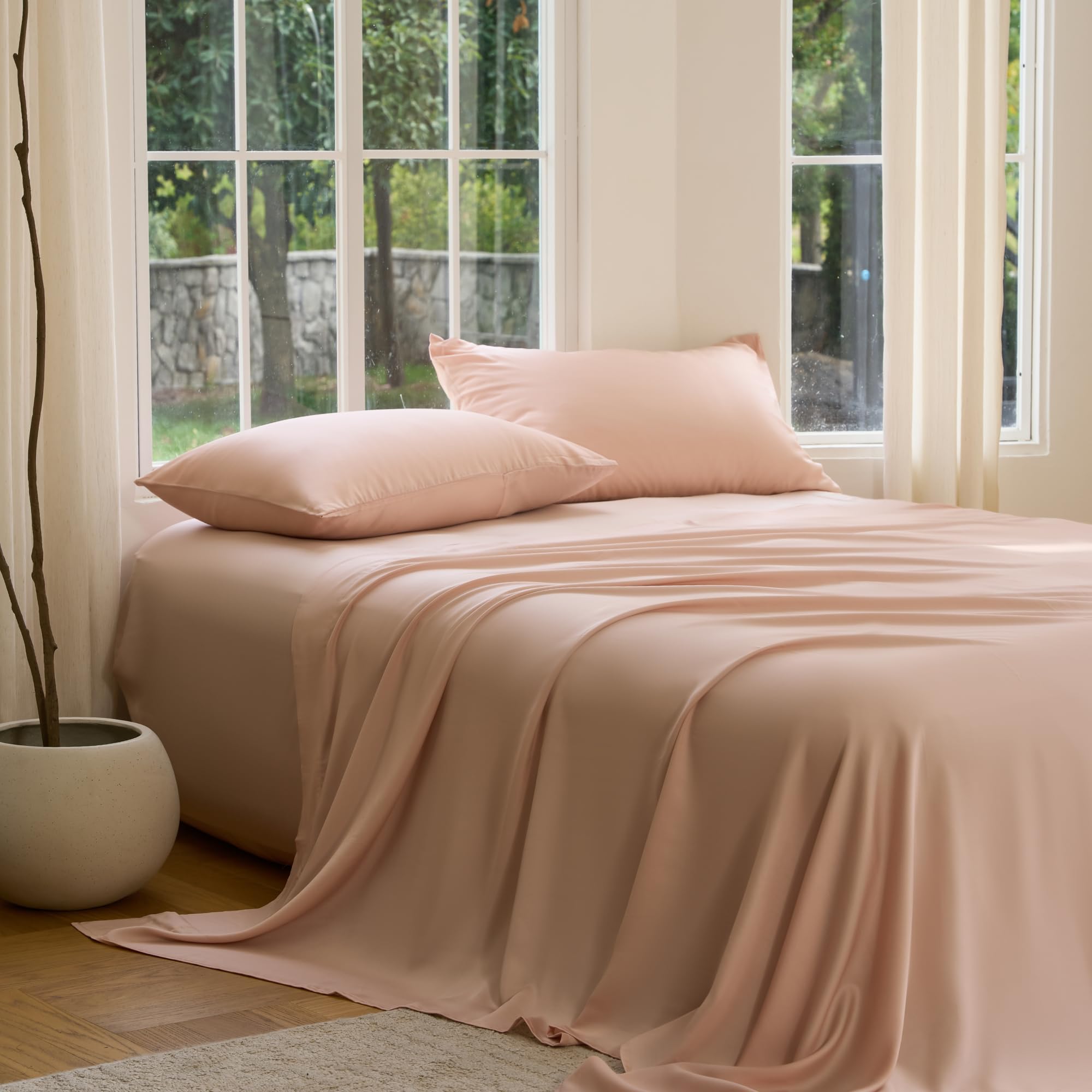
Made from rayon derived from bamboo, this set excels at moisture‑wicking and temperature regulation, which are crucial for hot sleepers and those prone to night sweats. The fabric is OEKO‑TEX Standard 100 certified, ensuring it is free from harmful chemicals. Priced at $74.99, the sheets have earned a 4.4‑star rating from 63,357 reviews.
- Cooling technology endorsed by NBC and The New York Post.
- 360° elastic band fits mattresses up to 16 inches deep.
- Easy‑care instructions: cold wash, low tumble dry, no bleach.
3. DOZ Bamboo Queen Sheet Set
These sheets combine a high GSM (145) with a buttery‑soft sateen weave, delivering durability and a silky feel that rivals high‑thread‑count cotton. They are Oeko‑Tex Class 1 certified, indicating the strictest level of safety. Although a price is not listed, the product maintains a 4.4‑star rating from 5,237 reviews, reflecting strong user approval.
- High GSM provides durability while remaining lightweight.
- Deep‑pocket (16 inches) accommodates most modern mattresses.
- Cooling, moisture‑wicking properties ideal for hot climates.
Comparison / Selection Guide
Choosing the right sheet set depends on individual priorities such as temperature regulation, budget, and durability. The table below summarises the most relevant attributes for each product.
| Feature | Bare Home Microfiber | Bedsure Bamboo Cooling | DOZ Bamboo |
|---|---|---|---|
| Material | Hydro‑brushed microfiber | Rayon derived from bamboo | Viscose from bamboo (sateen weave) |
| Price (USD) | 39.99 | 74.99 | Not disclosed |
| Rating | 4.5/5 (57,539 reviews) | 4.4/5 (63,357 reviews) | 4.4/5 (5,237 reviews) |
| Cooling Ability | Moderate (seasonal breathability) | High (bamboo moisture‑wicking) | High (breathable viscose) |
| Deep‑Pocket Fit | 15 inches | 16 inches | 16 inches |
| Certification | OEKO‑TEX STANDARD 100 | OEKO‑TEX STANDARD 100 | Oeko‑Tex Class 1 |
For consumers on a tighter budget who still require a certified, soft surface, the Bare Home set offers excellent value. Hot sleepers who prioritise cooling should consider the Bedsure or DOZ options, with DOZ providing a higher GSM for added durability.
Best Practices & Tips
The following recommendations help extend the useful life of eczema‑friendly bedding while maintaining skin safety:
- Wash in Cold Water: Cold cycles reduce fibre fatigue and prevent chemical leaching.
- Avoid Fabric Softeners: Additives can leave residues that irritate sensitive skin.
- Use Gentle Detergents: Choose fragrance‑free, hypoallergenic detergents to minimise irritant exposure.
- Dry Low or Air‑Dry: High heat can degrade fibres and cause shrinkage, reducing pocket depth.
- Rotate Sheets Every Six Months: Alternating between two sets reduces wear on a single set.
- Store in a Dry, Cool Environment: Moisture promotes mould growth, which can exacerbate eczema.
Implementing these habits not only prolongs the lifespan of the sheets but also supports a consistent, low‑irritant sleep surface.
Frequently Asked Questions
- How often should I wash my eczema‑friendly sheets?
- It is advisable to wash them at least once a week using a gentle, fragrance‑free detergent and cold water.
- Can I use bleach on these sheets?
- Bleach is not recommended because it can break down fibres and leave irritating residues.
- What is the significance of OEKO‑TEX certification?
- OEKO‑TEX verifies that the fabric has been tested for over 1,000 harmful substances, providing assurance for sensitive skin.
- Do higher GSM sheets feel hotter?
- Higher GSM indicates greater weight and durability, but breathable bamboo viscose can still feel cool despite a higher GSM.
- Is microfiber suitable for eczema?
- Microfiber can be suitable if it is certified free of harmful chemicals and remains soft; however, some individuals prefer natural fibres for added breathability.
- Should I replace sheets after a flare‑up?
- If the flare‑up coincides with visible wear, odour, or loss of softness, replacement is advisable to eliminate potential irritants.
Conclusion
Maintaining eczema‑friendly bedding requires vigilance regarding chemical breakdown, regular inspection for wear, and adherence to best‑care practices. By recognising the signs of degradation, replacing sheets at appropriate intervals, and selecting certified products such as the Bare Home Microfiber Set, Bedsure Bamboo Cooling Sheets, or DOZ Bamboo Sheet Set, individuals can create a sleep environment that supports skin barrier integrity and reduces flare‑ups. The combination of informed product choice and proper maintenance ensures long‑term comfort and health.
Products Featured in This Guide
Bare Home Queen Microfiber Sheet Set
Price: $39.99
Rating: 4.5/5 (57,539 reviews)
Featured because it provides an affordable, OEKO‑TEX certified microfiber option that remains soft after repeated washes, making it suitable for eczema‑prone sleepers on a budget.
Bedsure Bamboo Cooling Queen Sheets
Price: $74.99
Rating: 4.4/5 (63,357 reviews)
Featured because its bamboo‑derived rayon offers superior cooling and moisture‑wicking properties, which are essential for hot sleepers and for reducing skin irritation during night sweats.
DOZ Bamboo Queen Sheet Set
Price: Not disclosed
Rating: 4.4/5 (5,237 reviews)
Featured because its high GSM and Oeko‑Tex Class 1 certification deliver durability and a buttery‑soft feel while maintaining excellent breathability for sensitive skin.