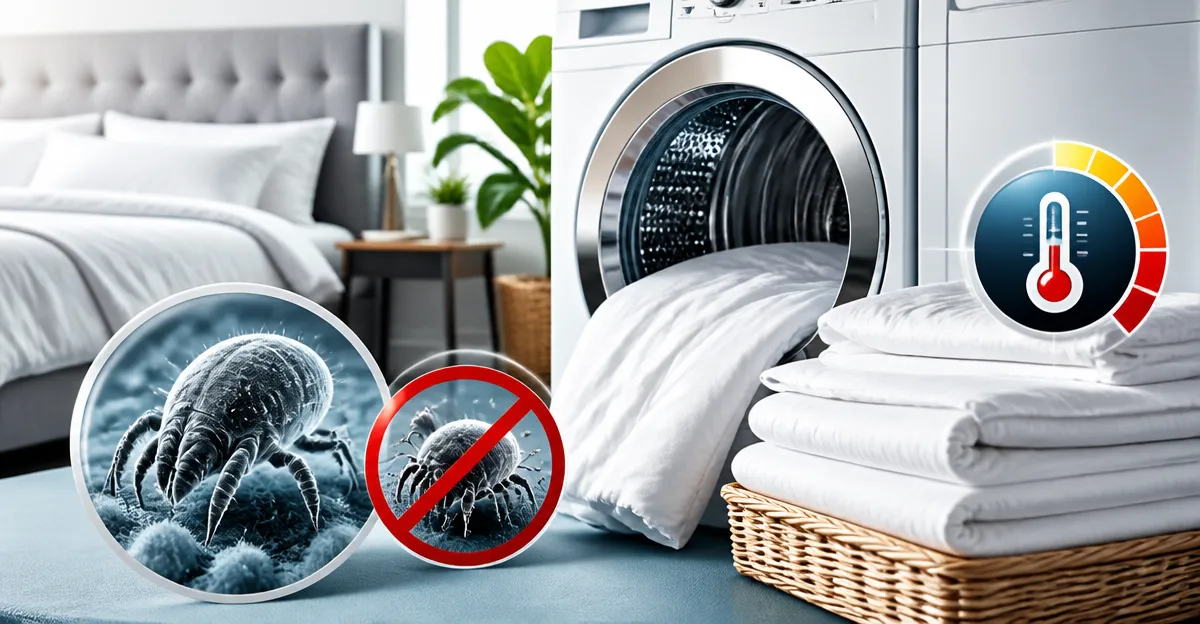
Washing Thresholds That Kill Dust Mites: The Complete Guide
Introduction
Dust mites thrive in bedding, upholstery, and other fabric surfaces, causing allergic reactions for many individuals. This guide explains the scientific basis for temperature‑based mite eradication, outlines practical washing protocols, and recommends protective bedding products that reinforce a mite‑free environment. Readers will learn how to select the appropriate water temperature, understand the role of protective encasements, and apply best‑practice cleaning habits to reduce allergen exposure.
The information presented combines peer‑reviewed research, real‑world consumer experiences, and product specifications from highly rated Amazon listings. By the end of the article, one will be equipped to implement a comprehensive dust‑mite control strategy that does not rely solely on chemical treatments.
Background and Context
Dust mites (Dermatophagoides spp.) are microscopic arthropods that feed on dead skin cells shed by humans. They prefer warm, humid environments, typically between 20 °C and 30 °C (68 °F‑86 °F) with relative humidity above 50 %. Under optimal conditions, a single mattress can host millions of mites, releasing allergenic proteins that trigger asthma, rhinitis, and eczema.
Heat is the most reliable non‑chemical method for killing mites. Studies indicate that exposure to water temperatures of 60 °C (140 °F) for at least 10 minutes results in >99 % mortality. Lower temperatures may reduce mite populations but do not guarantee complete eradication. Therefore, understanding washing thresholds is essential for effective allergen control.
In addition to washing, barrier encasements prevent re‑infestation by sealing the mattress and pillows within a waterproof, breathable membrane. The following sections explore temperature thresholds, product categories, and practical recommendations.
Understanding Dust Mite Habitat and Life Cycle
Dust mites undergo a complete life cycle within 2‑6 weeks, progressing from egg to larva, nymph, and adult. All stages require a food source of shed skin and a stable microclimate. Bedding provides an ideal habitat because it is warm, retains moisture, and is rarely exposed to temperatures above 40 °C (104 °F) during normal use.
Interrupting this cycle involves two primary actions: (1) eliminating existing mites through high‑temperature laundering and (2) preventing new colonization with encasements that block dust‑mite ingress while allowing air flow.
Effective control therefore combines regular washing at the correct temperature with high‑quality protective products.
Washing Temperature Thresholds that Kill Dust Mites
Research consistently identifies 60 °C (140 °F) as the critical temperature for rapid dust‑mite mortality. Below this threshold, mites may survive for extended periods. The following table summarizes recommended washing parameters:
| Water Temperature | Minimum Duration | Effectiveness |
|---|---|---|
| ≥ 60 °C (140 °F) | 10 minutes | >99 % kill rate |
| 55 °C (131 °F) | 30 minutes | Significant reduction, but some survivors |
| ≤ 40 °C (104 °F) | — | Insufficient for mite control |
When a washing machine lacks a 60 °C cycle, users may employ a hot‑water soak for 30 minutes before initiating a regular wash. Adding a small amount of laundry detergent enhances protein breakdown, further weakening mite resilience.
Drying also contributes to mite eradication. A tumble dryer set to high heat (≥ 70 °C / 158 °F) for at least 20 minutes eliminates any residual organisms on pillowcases and blankets.
It is important to verify that the fabrics can tolerate these temperatures. Most cotton, polyester blends, and nylon‑based encasements listed below are rated for hot‑water washing.
Choosing Protective Bedding Products
Protective bedding products create a physical barrier that prevents dust mites, bed bugs, and other allergens from reaching the mattress or pillow. The following products have been selected based on high customer ratings, proven waterproof technology, and allergist recommendations.
AllerEase Pillow Protectors
One of the most trusted pillow barriers is the AllerEase Pillow Protectors. This 4‑pack set combines temperature‑balancing fabric with a zippered closure that fully encases standard and queen pillows. The product composition of 88 % polyester and 12 % nylon offers a breathable yet waterproof membrane. With a rating of 4.8 out of 5 stars from 4,416 reviews, users praise its quiet, soft feel and allergen‑blocking performance.
Key features include:
- Advanced allergy protection through tightly woven fabric
- Temperature‑balancing technology that retains heat when cold and releases it when hot
- Quiet, zippered design that eliminates crinkling noises
- Machine‑washable with a lifetime limited warranty
Hospitology Mattress Encasement
The Hospitology Mattress Encasement provides a 100 % waterproof barrier on all six sides of a queen‑size mattress. Constructed from a polyester face and polyurethane lining, the encasement stretches to fit mattresses 12‑18 inches deep. It holds a 4.6‑star rating from 11,837 reviews, with customers highlighting its soft knit fabric and reliable protection against spills and pests.
Notable specifications:
- Lab‑tested waterproof barrier
- Breathable membrane that prevents heat buildup
- Machine‑washable and tumble‑dryable on low heat
- 5‑year limited manufacturer’s warranty
Hospitology Pillow Encasements (2‑Pack)
For pillow protection, the Hospitology Pillow Encasements offer a zippered, waterproof solution in a convenient two‑piece set. Each encasement measures 20 × 26 inches and features an extra‑soft polyester knit fabric that remains cool during sleep. The product holds a 4.7‑star rating from 5,736 reviews, with users noting its durability and silent performance.
Features include:
- 100 % waterproof protection against saliva, sweat, and spills
- Breathable membrane that does not retain heat
- Machine‑washable with a 5‑year limited warranty
AllerEase Mattress Protector
The AllerEase Mattress Protector encases a queen‑size mattress with a waterproof top layer and sidewall construction that fits mattresses up to 15 inches deep. It carries a 4.5‑star rating from 5,350 reviews, and customers appreciate its quiet, stretchy fabric and lifetime warranty.
Key attributes:
- Waterproof top fabric with a quiet, soft feel
- Sidewall design fits a wide range of mattress depths
- Machine‑washable; no ironing required
- Lifetime warranty for peace of mind
Utopia Bedding Mattress Encasement
The Utopia Bedding Mattress Encasement delivers 360° coverage for queen‑size mattresses up to 15 inches deep. Its non‑crinkling polyester knit fabric is praised for quiet comfort, and the zippered closure ensures a secure fit. With a 4.6‑star rating from 133,097 reviews, it is recognized for durability and ease of care.
Highlights include:
- Full‑encasement design prevents dust mites and bed bugs
- Soft, breathable fabric that does not add noticeable thickness
- Machine‑washable; retains shape after multiple washes
- Affordable price point with high customer satisfaction
Comparison and Selection Guide
When selecting a protective product, consider the following criteria:
- Coverage Needs: Choose mattress encasements for full‑body protection and pillow protectors for localized allergen control.
- Waterproof Performance: Verify that the product offers a lab‑tested waterproof barrier on all sides.
- Breathability: Breathable membranes prevent heat buildup, which could otherwise encourage mite proliferation.
- Noise Level: Silent fabrics are essential for uninterrupted sleep.
- Durability and Warranty: Longer warranties indicate manufacturer confidence in product longevity.
The table below contrasts the five featured products across these dimensions:
| Product | Coverage | Waterproof | Breathable | Noise Level | Warranty | Rating |
|---|---|---|---|---|---|---|
| AllerEase Pillow Protectors | Pillows (4‑pack) | Yes | Yes | Quiet | Lifetime limited | 4.8 |
| Hospitology Mattress Encasement | Queen mattress | 100 % lab‑tested | Yes | Quiet | 5‑year | 4.6 |
| Hospitology Pillow Encasements | Pillows (2‑pack) | Yes | Yes | Quiet | 5‑year | 4.7 |
| AllerEase Mattress Protector | Queen mattress | Waterproof top layer | Yes | Quiet | Lifetime | 4.5 |
| Utopia Bedding Mattress Encasement | Queen mattress | Waterproof | Yes | Non‑crinkling | None listed | 4.6 |
For individuals with severe dust‑mite allergy, a combination of a mattress encasement and pillow protectors provides the most comprehensive barrier. Budget‑conscious shoppers may prioritize the Utopia Bedding Mattress Encasement, which offers high ratings at a lower price point.
Best Practices & Tips Beyond Product Use
Even with optimal protective bedding, regular maintenance is essential. The following practices complement high‑temperature washing and barrier encasements:
- Maintain Indoor Humidity: Keep relative humidity below 50 % using a dehumidifier, especially in bedrooms.
- Vacuum Frequently: Use a HEPA‑filtered vacuum on mattresses, carpets, and upholstered furniture weekly.
- Sun Exposure: Periodically expose pillows and blankets to direct sunlight for at least 30 minutes; ultraviolet light reduces mite populations.
- Rotate Bedding: Turn mattresses and flip pillows every three months to disrupt mite habitats.
- Avoid Heavy Duvets: Heavy, non‑breathable comforters can trap moisture; opt for lightweight, washable alternatives.
Implementing these steps in conjunction with the recommended washing thresholds creates a multi‑layered defense that significantly lowers allergen load.
Frequently Asked Questions
- What water temperature is required to kill dust mites? A minimum of 60 °C (140 °F) for ten minutes is proven to achieve greater than 99 % mortality.
- Can I wash my pillow protectors at lower temperatures? Lower temperatures may reduce mite numbers but will not guarantee elimination; hot‑water soak followed by a warm wash is advisable if the fabric cannot tolerate 60 °C.
- Do waterproof encasements trap heat and cause night sweats? Modern encasements, such as the Hospitology Mattress Encasement, incorporate breathable membranes that allow air flow while remaining waterproof, preventing heat buildup.
- How often should I replace my protective bedding? With proper care, most encasements retain effectiveness for five years or longer; manufacturers often provide limited warranties to reflect durability.
- Are there any health risks associated with the materials used? All featured products are hypoallergenic, free from harmful chemicals, and have been allergist‑recommended, minimizing risk of skin irritation.
- Can I use these products on a twin‑size bed? Yes, many items, such as the AllerEase Mattress Protector, offer sidewall constructions that accommodate a range of mattress depths and sizes.
Conclusion
Controlling dust‑mite allergens requires a systematic approach that combines scientific washing thresholds with high‑quality protective bedding. By washing linens at 60 °C (140 °F) for at least ten minutes, drying on high heat, and sealing mattresses and pillows with reliable encasements, one can dramatically reduce allergen exposure. The products highlighted in this guide—AllerEase Pillow Protectors, Hospitology Mattress and Pillow Encasements, AllerEase Mattress Protector, and Utopia Bedding Mattress Encasement—offer proven performance, high customer satisfaction, and warranties that support long‑term use.
Implementing the best‑practice tips, maintaining low indoor humidity, and performing regular vacuuming will further reinforce a healthy sleep environment. With these strategies, individuals suffering from dust‑mite allergies can enjoy cleaner bedding, improved respiratory comfort, and uninterrupted rest.
Products Featured in This Guide
AllerEase Pillow Protectors
Price: $23.00 | Rating: 4.8/5 (4,416 reviews)
Featured because it provides temperature‑balancing, allergist‑recommended protection for pillows, with a quiet, zippered design that enhances sleep comfort.
Hospitology Mattress Encasement
Price: $44.00 | Rating: 4.6/5 (11,837 reviews)
Featured for its 100 % waterproof, lab‑tested barrier, breathable knit fabric, and stretchable fit that protects queen‑size mattresses from mites and spills.
Hospitology Pillow Encasements
Price: $24.00 | Rating: 4.7/5 (5,736 reviews)
Featured because it offers a waterproof, breathable zippered solution for pillows, reducing exposure to saliva, sweat, and dust‑mite allergens.
AllerEase Mattress Protector
Price: $41.64 | Rating: 4.5/5 (5,350 reviews)
Featured for its waterproof top layer, sidewall construction that fits deep mattresses, and lifetime warranty, making it ideal for long‑term allergen control.
Utopia Bedding Mattress Encasement
Price: $27.99 | Rating: 4.6/5 (133,097 reviews)
Featured for its 360° coverage, quiet non‑crinkling fabric, and affordable price, providing effective protection for queen‑size mattresses.