The Ultimate Guide to Reusable vs Disposable Waterproof Bedding: 5-Year Cost & Waste Comparison for Eczema-Friendly Sleep
Introduction
Choosing the appropriate waterproof bedding is essential for individuals who suffer from eczema, night sweats, or who share a sleeping surface with pets or children. This guide explains the financial and environmental implications of reusable versus disposable waterproof solutions over a five‑year period. Readers will learn how to evaluate cost, waste generation, comfort, and durability while discovering products that meet high standards of protection and breathability.
The discussion will cover foundational concepts, a detailed cost‑analysis model, product recommendations, and best‑practice tips for maintaining a healthy sleep environment. By the end of the article, one will be equipped to make an informed decision that aligns with health goals and sustainability values.
Background and Context
Waterproof bedding serves two primary purposes: it shields the mattress or furniture from liquids and it creates a barrier that prevents allergens and irritants from reaching the skin. For people with eczema, a dry and breathable sleeping surface reduces flare‑ups caused by moisture and bacterial growth. Traditional disposable pads offer convenience but generate significant waste, whereas reusable protectors aim to balance protection with long‑term sustainability.
Key terms include:
- TPU membrane: Thermoplastic polyurethane layer that provides waterproofing while allowing vapor transmission.
- Deep pocket design: Fabric construction that fits mattresses up to a specified height, preventing shifting.
- GSM: Grams per square meter, indicating fabric density and insulation properties.
Understanding these concepts enables a more accurate assessment of product performance, especially when comparing reusable and disposable options.
Reusable Waterproof Bedding Options
Reusable bedding typically consists of a layered fabric system that can be laundered repeatedly. The two products highlighted in this guide exemplify high‑quality reusable solutions.
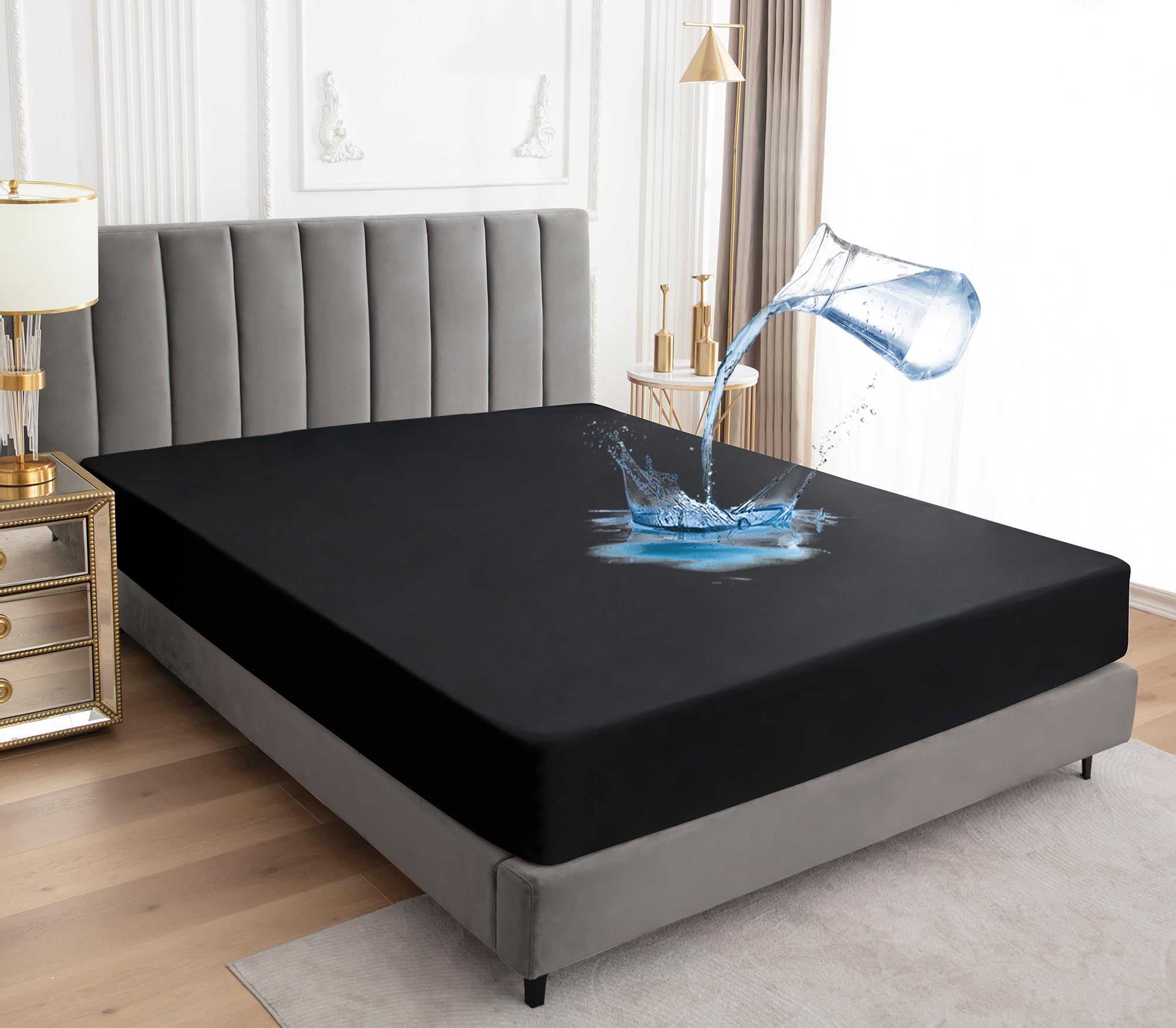
Sufdari Queen Waterproof Mattress Protector
This protector features an 18‑inch deep pocket that accommodates most queen‑size mattresses. The side panels are made of soft, breathable fabric, ensuring that the mattress does not become damp or develop mold. It is machine washable below 60 °C and can be tumble dried on low heat, making maintenance straightforward.
- Price: $19.99
- Rating: 4.5 out of 5 stars (2,679 reviews)
- Key features: waterproof TPU layer, deep pocket design, multiple colour options, cost‑effective manufacturing.
Because the protector can be reused for many years, the per‑year cost declines sharply after the initial purchase. Its durability is supported by a warranty that typically covers material defects for at least two years.
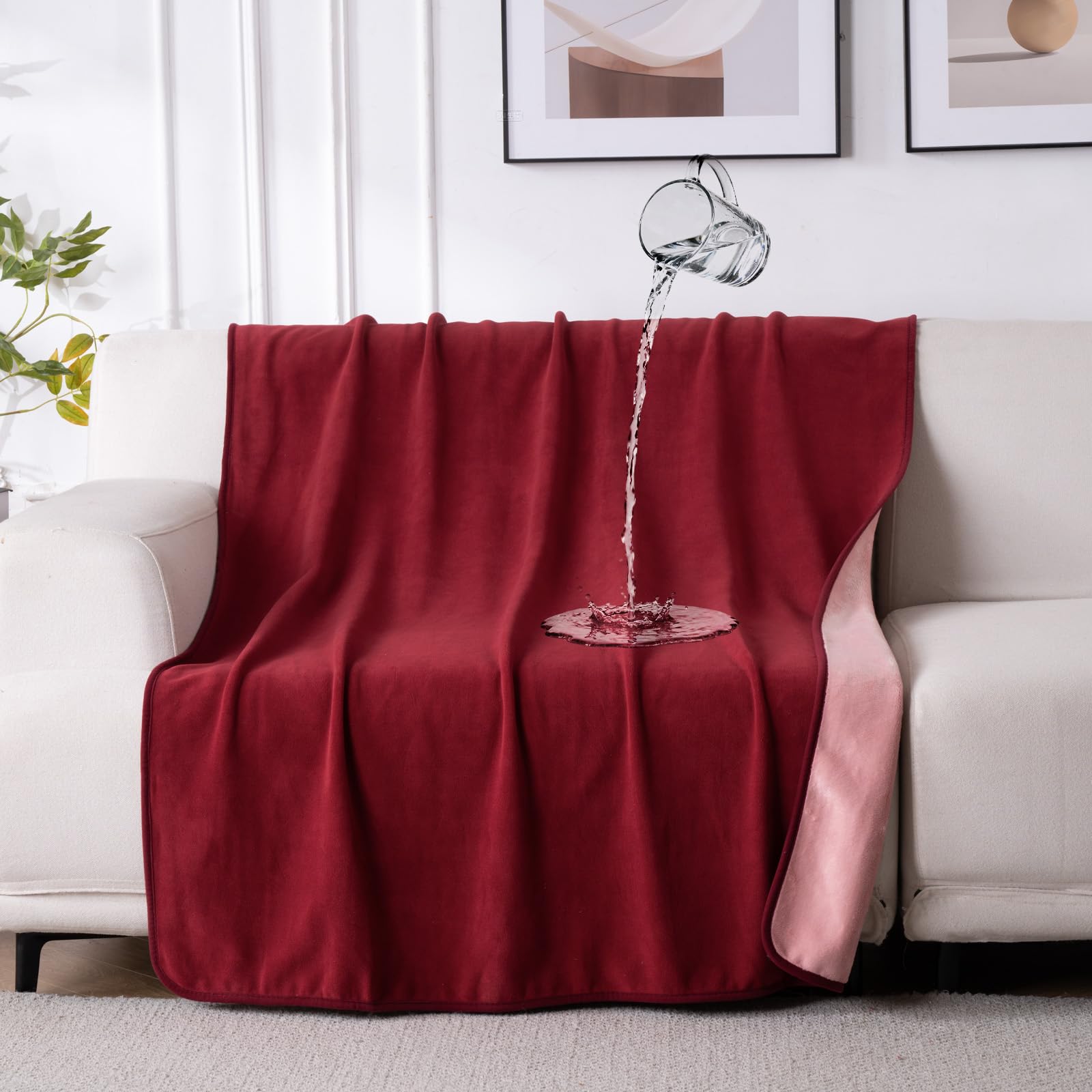
QiyI Small Waterproof Pet Blanket
Although marketed as a pet blanket, this product offers a three‑layer waterproof system that is equally suitable for human bedding in small‑size applications such as twin beds or couch cushions. The outer polar fleece provides softness, while the TPU membrane delivers leak‑proof protection. The reversible dual‑tone design allows users to select a colour that matches their décor.
- Price: $19.79
- Rating: 4.6 out of 5 stars (230 reviews)
- Key features: 250 GSM fleece surface, TPU membrane, reversible design, machine washable.
Its compact size makes it an excellent supplemental layer for individuals who require targeted protection, such as a child’s bed or a pet‑friendly couch.
Disposable Waterproof Bedding Options
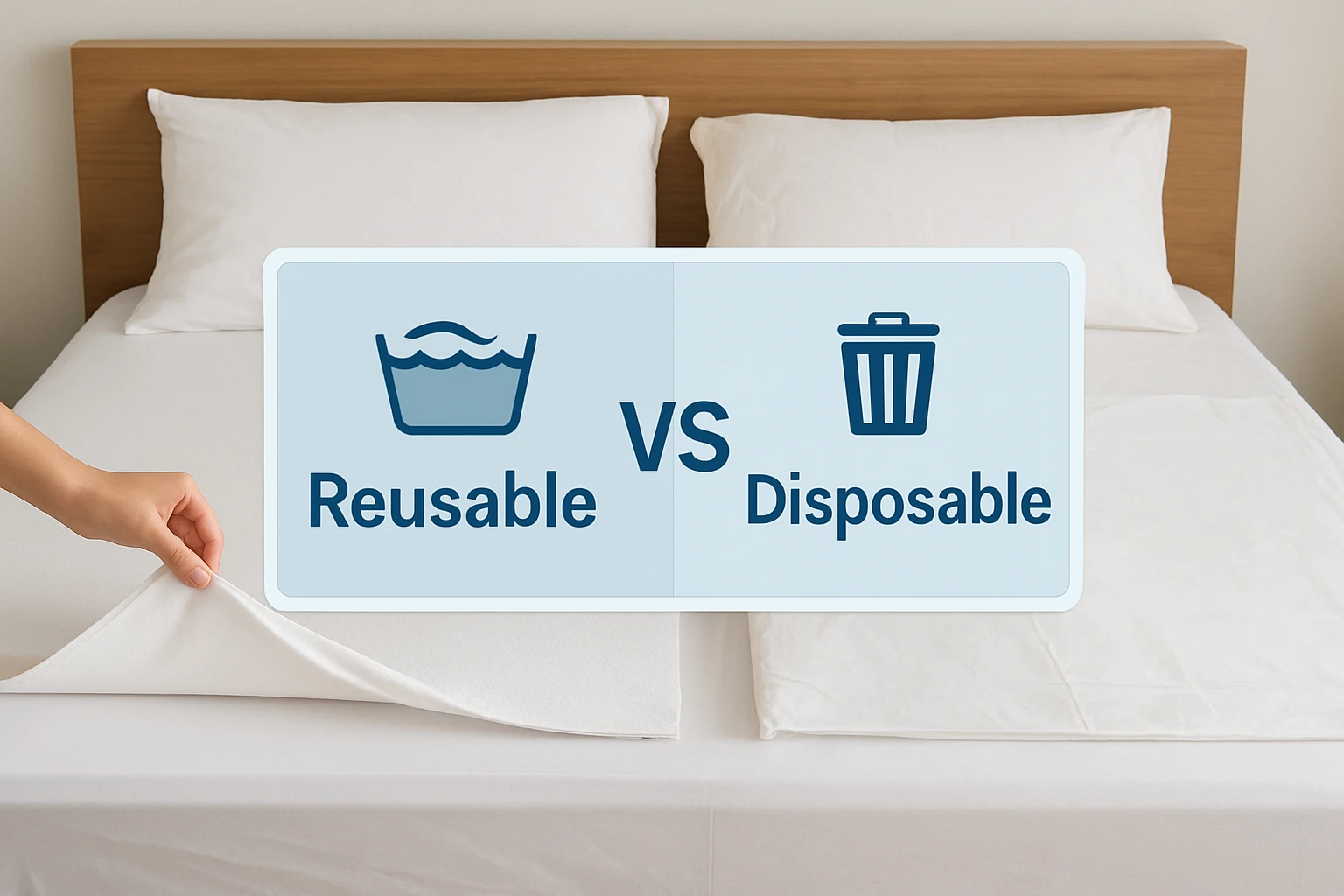
Disposable options include single‑use mattress pads and absorbent sheets that are discarded after a predetermined number of uses. While they eliminate the need for laundering, they contribute to landfill volume and recurring expense. Typical costs range from $5 to $10 per pad, with an average lifespan of one to two weeks depending on exposure to fluids.
Environmental impact calculations reveal that a family using disposable pads for five years may generate upwards of 260 kilograms of waste, compared with less than 5 kilograms for a reusable protector that is washed regularly. The financial burden also escalates, reaching $1,300 to $2,600 over the same period.
Cost & Waste Comparison Over Five Years
| Category | Reusable (Sufdari) | Reusable (QiyI Small) | Disposable Average |
|---|---|---|---|
| Initial Purchase Cost | $19.99 | $19.79 | $7.00 (per pack) |
| Estimated Lifespan | 5 years (≈150 washes) | 5 years (≈150 washes) | 2 weeks |
| Total Cost Over 5 Years | $19.99 | $19.79 | $1,820 (260 pads) |
| Waste Generated (kg) | ~2 (packaging only) | ~2 (packaging only) | ~260 (plastic and absorbent material) |
The table demonstrates that reusable protectors provide a dramatic reduction in both cost and waste. Even when accounting for water and energy usage during laundering, the net environmental impact remains substantially lower than that of disposable alternatives.
Comparison / Selection Guide
When selecting a waterproof bedding solution, consider the following criteria:
- Mattress Height Compatibility: Deep pocket designs such as the Sufdari Queen Protector accommodate mattresses up to 18 inches, preventing slippage.
- Breathability: Look for products that incorporate breathable side panels or moisture‑wicking fabrics to avoid overheating.
- Ease of Care: Machine‑washable items reduce labor and maintain hygiene; verify temperature limits and drying instructions.
- Allergen Resistance: Waterproof layers should be hypoallergenic and free of latex for eczema‑prone users.
- Cost Efficiency: Calculate the per‑year expense by dividing the purchase price by the expected lifespan.
Based on these factors, the Sufdari Queen Waterproof Mattress Protector emerges as the optimal choice for full‑size beds, while the QiyI Small Waterproof Pet Blanket offers a versatile, portable option for secondary sleeping areas.
Best Practices & Tips
- Wash reusable protectors every two weeks using a gentle cycle and avoid fabric softeners, which can impair waterproof membranes.
- Rotate the protector’s orientation weekly to distribute wear evenly across the fabric.
- For households with pets, place a thin, absorbent layer beneath the waterproof protector to capture pet hair before it reaches the mattress.
- Store disposable pads in a sealed container to prevent moisture buildup and maintain hygiene between changes.
- Monitor the protector for signs of membrane degradation, such as reduced water resistance, and replace it if performance declines.
Frequently Asked Questions
- 1. Are reusable waterproof protectors safe for people with severe eczema?
- Yes, when the protector uses breathable fabrics and a hypoallergenic TPU membrane, it creates a dry micro‑environment that reduces skin irritation.
- 2. How often should a waterproof mattress protector be washed?
- It is recommended to launder the protector every 10 to 14 days, or immediately after any significant spill, to maintain hygiene.
- 3. Can disposable pads be composted?
- Most disposable pads contain synthetic polymers that are not biodegradable; therefore they should be disposed of in regular trash rather than compost.
- 4. Does the QiyI Small Waterproof Pet Blanket fit a standard twin mattress?
- The blanket measures 40" × 60", which is suitable for twin‑size beds or as a protective layer for couch cushions.
- 5. Will washing a waterproof protector damage the TPU layer?
- When washed according to the manufacturer’s instructions—cold or warm water below 60 °C and tumble dried on low heat—the TPU membrane retains its waterproof properties for years.
- 6. How can one reduce the environmental impact of disposable pads?
- Choosing pads made from recycled materials, limiting usage to emergency situations, and recycling packaging when possible can mitigate waste.
Conclusion
Reusable waterproof bedding such as the Sufdari Queen Waterproof Mattress Protector and the QiyI Small Waterproof Pet Blanket delivers superior cost efficiency, reduced waste, and enhanced comfort for eczema‑friendly sleep. While disposable pads provide short‑term convenience, their long‑term financial and environmental costs are prohibitive. By applying the selection criteria and best‑practice guidelines outlined in this guide, readers can create a protective sleep environment that supports skin health and aligns with sustainable living principles.
Products Featured in This Guide
Sufdari Queen Waterproof Mattress Protector
Price: $19.99 | Rating: 4.5/5 (2,679 reviews)
Featured because it provides a deep‑pocket, breathable, and machine‑washable solution that protects queen‑size mattresses from spills, pet accidents, and night sweats, making it ideal for eczema‑prone sleepers.
QiyI Small Waterproof Pet Blanket
Price: $19.79 | Rating: 4.6/5 (230 reviews)
Featured because its three‑layer waterproof construction and reversible design offer versatile protection for small beds, couches, and pet areas, supporting both comfort and durability.