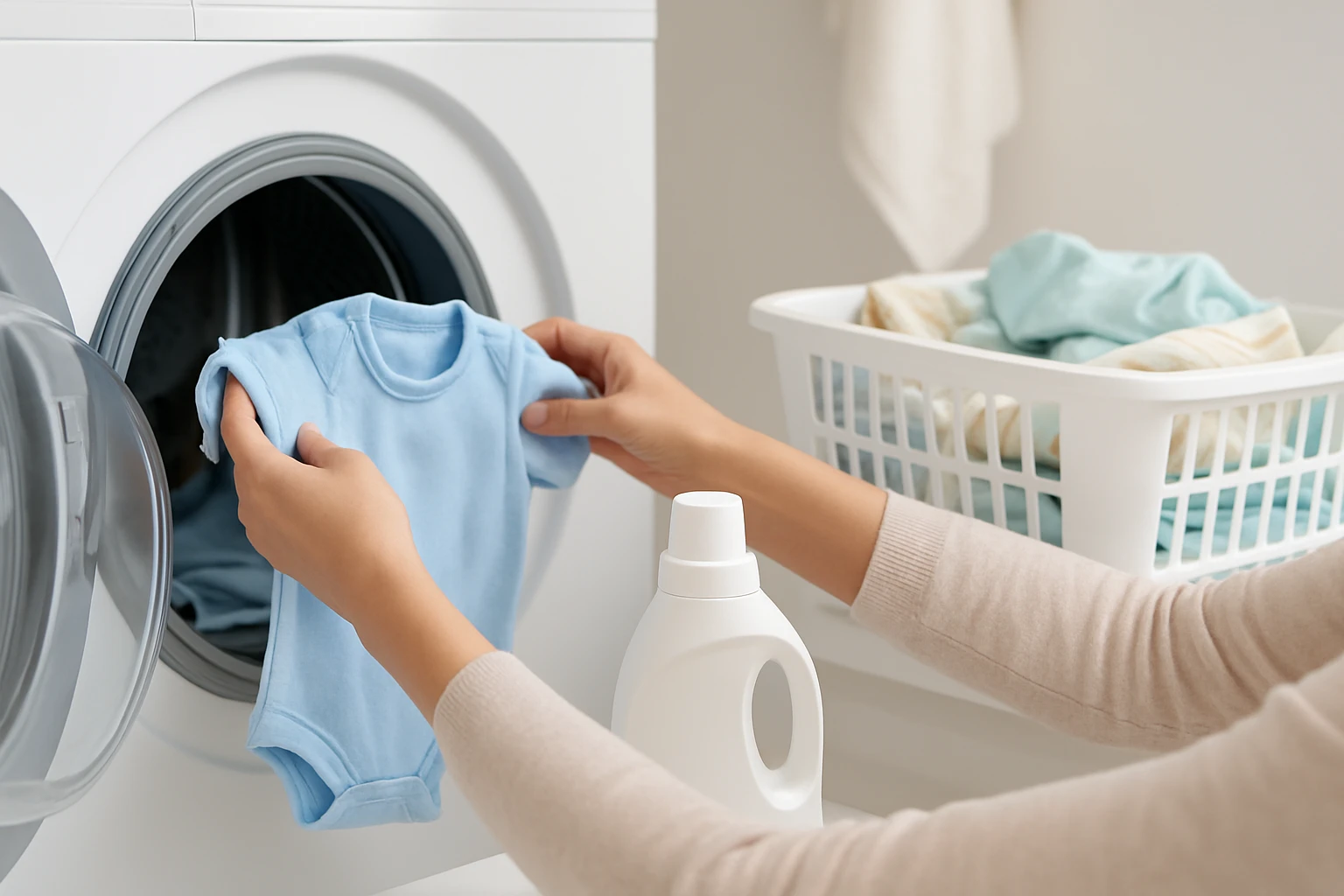

How to Launder After a Child's Skin Infection: Safe, Eczema‑Friendly Washing Tips
Introduction
When a child experiences a skin infection, the fabrics that have touched the affected area can become a reservoir for bacteria, fungi, or irritants. Proper laundering removes these agents and reduces the risk of re‑infection or flare‑ups of eczema. This guide explains the science behind safe washing, outlines the tools needed, and provides a step‑by‑step process that parents can follow confidently.
Readers will learn how to select hypoallergenic detergents, set machine cycles that protect sensitive skin, and apply post‑wash practices that keep clothing fresh without harsh chemicals. The information is based on dermatological recommendations and real‑world product performance.
By following the instructions, caregivers can create a clean environment that supports healing while preserving the integrity of fabrics.
What You’ll Need
- Hypoallergenic, dermatologist‑tested laundry detergent (see recommendations below)
- Stain‑pre‑treatment solution that is fragrance‑free
- Measuring scoop or cup for accurate detergent dosing
- Washing machine with temperature control and a gentle cycle option
- Clean drying area or low‑heat dryer setting
Step‑by‑Step Instructions
Step 1: Separate Infected Garments
Begin by isolating any clothing, bedding, or towels that have contacted the infected skin. Use a dedicated basket to avoid cross‑contamination with other household laundry. This simple segregation prevents pathogens from spreading to other family members.
Do not wash the items with heavily soiled work clothes or pet fabrics, as these can introduce additional microbes. Instead, treat the infected load as a standalone batch.
While separating, inspect each piece for visible stains or residues that may require pre‑treatment.
After sorting, place the items in the washing machine drum, ensuring the load is not overloaded; a loosely packed drum allows water and detergent to circulate effectively.
Step 2: Pre‑Treat Stains and Residues
If the clothing shows blood, pus, or other organic material, apply a fragrance‑free pre‑treatment directly to the spot. Use a small amount of the detergent itself or a dedicated hypoallergenic stain remover.
Gently rub the solution with a soft brush or fingertip for 30 seconds, then let it sit for five minutes. This dwell time loosens proteins and lipids, making them easier to remove during the wash.
Avoid using bleach or chlorine‑based products, as they can irritate sensitive skin and damage delicate fibers.
Rinse the pre‑treated area under cool running water before loading the garment into the machine.
Step 3: Choose a Hypoallergenic Detergent
The detergent is the core tool for eliminating microbes while preserving skin health. Below are four vetted options, each with specific attributes that support eczema‑friendly washing.
ECOS Lavender Laundry Detergent
ECOS offers a plant‑powered formula that is 100 % vegan, dermatologist‑tested, and EPA Safer Choice certified. The lavender scent is derived from natural essential oils, providing a mild fragrance that most children with eczema tolerate. Each 100 oz container cleans up to 200 loads, making it economical for large families.
- Price: $28.61
- Rating: 4.5/5.0 (17,631 reviews)
- Key benefits: Paraben‑ and phosphate‑free, hypoallergenic, and safe for septic systems.
Purchase here: ECOS Lavender Laundry Detergent
Arm & Hammer Sensitive Skin Detergent
Arm & Hammer combines baking soda with a concentrated formula that delivers twice the stain‑fighting power of many value brands. It is free of dyes, perfumes, and preservatives, and carries SkinSAFE certification, confirming its suitability for sensitive skin.
- Price: $8.97
- Rating: 4.7/5.0 (61,846 reviews)
- Key benefits: Low‑sudsing, HE‑compatible, and effective in cold water.
Purchase here: Arm & Hammer Sensitive Skin Detergent
All Free Clear Sensitive Skin Detergent
All Free Clear is recommended by dermatologists and pediatricians for its fragrance‑free, dye‑free composition. The concentrated formula provides more cleaning power per drop, reducing the amount needed per load and limiting residue on fabrics.
- Price: $18.68
- Rating: 4.8/5.0 (24,971 reviews)
- Key benefits: Safer Choice certified, biodegradable surfactants, and safe for septic systems.
Purchase here: All Free Clear Sensitive Skin Detergent
Molly’s Suds Laundry Powder
Molly’s Suds offers a powder alternative that uses only four simple, plant‑based ingredients. It is unscented, cruelty‑free, and formulated by a pediatric nurse, making it a trusted choice for families with eczema‑prone children.
- Price: $22.99
- Rating: 4.6/5.0 (22,875 reviews)
- Key benefits: Minimal additives, septic‑safe, and effective at low temperatures.
Purchase here: Molly’s Suds Laundry Powder
For most households, the liquid options (ECOS, Arm & Hammer, or All Free Clear) are easier to dose and dissolve quickly. Choose the product that aligns with your budget, scent preference, and any specific certifications you value.
Step 4: Set Machine Parameters
Select a warm water cycle (30‑40 °C / 86‑104 °F). Warm water is sufficient to kill most bacteria without irritating sensitive skin, unlike hot water, which can set certain stains and cause fabric shrinkage.
Activate the gentle or delicate cycle to reduce mechanical agitation. Excessive friction can damage the skin’s barrier when clothing is later worn.
Use the recommended detergent dose based on load size; over‑dosing can leave residues that act as irritants, while under‑dosing may not fully eliminate pathogens.
If your machine has a “sanitize” option, you may enable it for an extra 10‑minute high‑temperature rinse, provided the fabrics are colorfast.
Step 5: Dry and Store Safely
After washing, dry items on a low‑heat setting or air‑dry in a clean, well‑ventilated area. High heat can degrade elastic fibers and increase static, which may irritate delicate skin.
Ensure garments are completely dry before storage; moisture encourages mold and mildew growth, which can exacerbate eczema.
Fold or hang clothing in a dust‑free drawer. If you must store items for an extended period, place a silica gel packet nearby to absorb residual humidity.
Finally, wash your hands thoroughly after handling the laundry to prevent re‑contamination.
Tips & Pro Tips
- Use a separate laundry basket for items that have been in direct contact with the infection.
- Run an empty hot‑water cycle with a cup of white vinegar once a month to descale the machine and reduce lingering odors.
- Consider adding a half‑cup of baking soda to the wash to neutralize any residual acidity.
- If a child’s eczema is triggered by certain fabrics, opt for 100 % cotton or bamboo blends, which are naturally breathable.
- Label the laundry basket with a reminder to use only hypoallergenic detergent for the next wash.
Troubleshooting
| Problem | Possible Cause | Solution |
|---|---|---|
| Residual odor after wash | Insufficient rinsing or detergent buildup | Run an extra rinse cycle and reduce detergent amount. |
| Clothes feel stiff | Hard water minerals | Add a half‑cup of white vinegar to the final rinse. |
| Skin irritation persists | Undetected fragrance or dye in detergent | Switch to an unscented powder such as Molly’s Suds. |
Conclusion
Proper laundering after a child’s skin infection is a critical component of the healing process. By separating contaminated garments, using a hypoallergenic detergent, selecting appropriate machine settings, and drying items safely, caregivers can minimize the risk of re‑infection and soothe eczema‑prone skin.
The products highlighted in this guide—ECOS Lavender Laundry Detergent, Arm & Hammer Sensitive Skin Detergent, All Free Clear Sensitive Skin Detergent, and Molly’s Suds Laundry Powder—provide reliable, skin‑friendly cleaning power.
Implement these steps consistently, and you will create a healthier environment that supports your child’s recovery and long‑term skin comfort.
Products Mentioned in This Guide
Frequently Asked Questions
What type of detergent is safest for washing clothes after a child's skin infection?
Use a hypoallergenic, fragrance‑free detergent that is dermatologist‑tested and free of dyes.
How hot should the water be when laundering infected garments?
Wash at the highest temperature the fabric allows, typically 60 °C (140 °F), to kill bacteria and fungi.
Do I need a special pre‑treatment for stains from skin infections?
Apply a fragrance‑free stain‑pre‑treatment to the affected area before washing to help remove residues.
Can I add fabric softener or dryer sheets to the wash?
Avoid fabric softeners and dryer sheets, as they can contain irritants that trigger eczema flare‑ups.
How should I dry the cleaned clothes to keep them eczema‑friendly?
Dry on a low‑heat setting or line‑dry in direct sunlight, which helps sanitize without exposing fabrics to harsh heat.


