Introduction
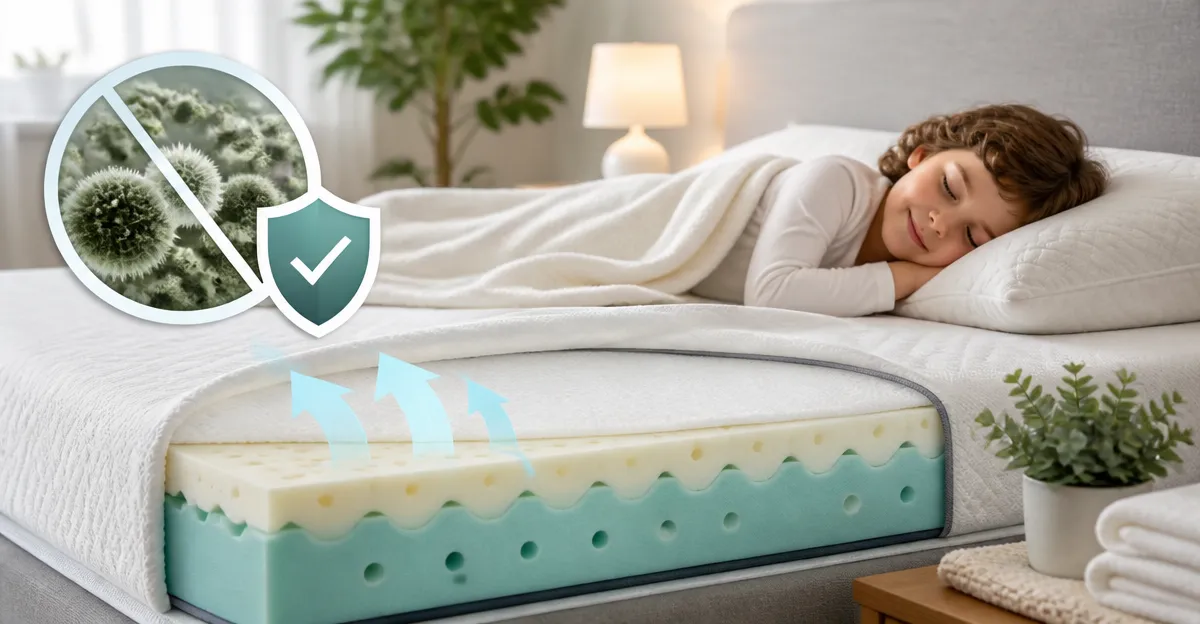
Memory foam mattresses provide unparalleled comfort, but they can also become a breeding ground for mold if they are not cared for properly. Mold spores thrive in warm, humid environments and can aggravate eczema, asthma, and other respiratory conditions. This guide explains how mold forms in foam, outlines practical prevention methods, and recommends specific products that incorporate anti‑mold technologies. Readers will leave with a clear action plan for healthier sleep and relief from skin irritation.
Background and Context
Foam is a porous material composed of tiny cells that trap air and moisture. When moisture accumulates, it creates a micro‑environment where mold spores can germinate. People with eczema are especially vulnerable because their skin barrier is already compromised; contact with mold allergens can trigger flare‑ups. Understanding the science behind mold growth helps homeowners implement effective controls before the problem becomes visible.
Key factors that influence mold development include relative humidity above 60%, prolonged exposure to body heat, and lack of airflow. Certifications such as CertiPUR‑US and OEKO‑TX guarantee that the foam is free of harmful chemicals, but they do not automatically prevent mold. Therefore, a combination of material choice, environmental management, and regular maintenance is essential.
Understanding Mold Growth in Foam
When a memory foam mattress absorbs sweat, spills, or ambient humidity, the water molecules settle within the foam cells. If the moisture is not evaporated, mold spores—already present in most indoor air—land on the damp surface and begin to feed. The result is a faint odor, discoloration, and, more importantly, the release of allergens that can worsen eczema.
Two common types of mold found in mattresses are Aspergillus and Penicillium. Both produce spores that are easily inhaled and can cause skin irritation. The best defense is to keep the foam dry, promote airflow, and use protective covers that inhibit fungal growth.
Materials and Certifications that Resist Mold
Not all foam is created equal. Manufacturers that incorporate antimicrobial agents, gel‑infused layers, or plant‑based fibers can reduce the likelihood of mold. For example, the Novilla Bliss Queen Mattress uses NanoGel memory foam and a plant‑infused comfort layer that absorbs moisture and neutralizes odors. Its CertiPUR‑US certification ensures the foam is free of volatile organic compounds, while the ACA certification confirms spinal support.
Similarly, the Zinus Twin Cooling Memory Foam Mattress features breathable Airflow memory foam and a cover made from OEKO‑TX Standard 100 certified fabric, which resists microbial growth. The inclusion of a carbon‑rayon flame barrier eliminates the need for fiberglass, reducing potential irritants for eczema‑prone users.
For those seeking a larger surface, the Sweetnight CoolNest King Mattress combines PCM high‑resilience foam with gel‑infused layers, creating a temperature‑stable environment that discourages moisture buildup.
Finally, the EGOHOME Queen Mattress integrates copper‑gel and graphene‑cool‑tech fabric, both of which have natural antimicrobial properties that inhibit mold spores.
Environmental Controls for a Healthy Sleep Environment
Even the most advanced foam cannot compensate for a humid bedroom. Maintain indoor relative humidity between 30% and 50% using a dehumidifier or air conditioner. Place the mattress on a slatted bed frame rather than a solid surface to allow air circulation underneath.
Use a breathable mattress protector that is waterproof yet vapor‑permeable. Protectors made from cotton or bamboo allow sweat to evaporate while preventing liquid spills from reaching the foam. Rotate the mattress every three months to distribute wear and prevent localized moisture pockets.
Regularly clean bedding in hot water (above 130°F) to eliminate dust mites and mold spores that could transfer to the mattress surface.
Cleaning and Maintenance Practices
Spot‑clean stains promptly with a mild detergent and a soft cloth. Avoid saturating the foam; instead, dab the area and allow it to air‑dry completely. For deeper cleaning, sprinkle baking soda over the mattress, let it sit for 30 minutes, and vacuum it off. Baking soda absorbs residual moisture and neutralizes odors.
Sunlight is a natural mold inhibitor. If possible, place the mattress near a sunny window for a few hours each week. UV rays help kill spores without damaging the foam, provided the exposure is not excessive.
Inspect the mattress quarterly for any signs of discoloration, musty smell, or visible mold. Early detection allows for targeted cleaning before the issue spreads.
Choosing a Mattress with Anti‑Mold Features
When selecting a new mattress, prioritize the following criteria:
- Certifications: CertiPUR‑US, OEKO‑TX, and ACA indicate safe, low‑emission foams.
- Cooling Technologies: Gel‑infused or PCM layers reduce heat and moisture.
- Antimicrobial Additives: Copper‑gel, graphene, or plant‑based fibers provide natural resistance.
- Edge Support and Motion Isolation: Prevents shifting that could trap moisture at the edges.
- Warranty and Trial Period: A 10‑year warranty and a generous trial period reflect confidence in durability.
Based on these criteria, the following products are highlighted in this guide:
- Novilla Bliss Queen Mattress – 12‑inch gel memory foam, NanoGel technology, 100‑day trial, 10‑year protection.
- Zinus Twin Cooling Mattress – 8‑inch Airflow foam, OEKO‑TX cover, 10‑year limited warranty.
- Novilla Twin Mattress – 10‑inch twin gel foam, 30% extra NanoGel, 10‑year protection.
- Sweetnight CoolNest King Mattress – 14‑inch PCM and gel layers, 5‑zone support, 10‑year protection.
- EGOHOME Queen Mattress – Copper‑gel, graphene cover, ICA endorsement, 10‑year warranty.
Comparison and Selection Guide
| Product | Size | Key Anti‑Mold Feature | Rating | Price (USD) |
|---|---|---|---|---|
| Novilla Bliss Queen Mattress | Queen | NanoGel moisture‑absorbing foam | 4.4/5 (31,355 reviews) | $254.98 |
| Zinus Twin Cooling Mattress | Twin | Airflow gel foam, OEKO‑TX cover | 4.3/5 (5,516 reviews) | $99.99 |
| Novilla Twin Mattress | Twin | 30% extra NanoGel, OEKO‑TX cover | 4.4/5 (5,551 reviews) | $115.31 |
| Sweetnight CoolNest King Mattress | King | PCM + gel layers, 5‑zone support | 4.5/5 (1,171 reviews) | $467.82 |
| EGOHOME Queen Mattress | Queen | Copper‑gel & graphene antimicrobial cover | 4.4/5 (5,922 reviews) | $449.99 |
Choose a mattress that matches your size requirement, budget, and desired anti‑mold technology. For eczema sufferers who prioritize moisture management, the Novilla Bliss Queen Mattress and Sweetnight CoolNest King Mattress provide the most advanced gel‑based cooling systems.
Best Practices & Tips for Long‑Term Mold Prevention
- Maintain bedroom humidity below 50% using a hygrometer and dehumidifier.
- Ventilate the room daily by opening windows or using an exhaust fan.
- Employ a breathable, waterproof mattress protector that allows vapor transmission.
- Rotate and flip (if applicable) the mattress every three months.
- Clean spills immediately and use baking soda to absorb lingering moisture.
- Expose the mattress to indirect sunlight for a short period each month.
- Replace old pillows and bedding that may harbor mold spores.
Frequently Asked Questions
1. Can memory foam mattresses cause eczema flare‑ups?
Foam itself does not cause eczema, but mold, dust mites, and chemical off‑gassing can irritate sensitive skin. Selecting a CertiPUR‑US certified mattress and using a hypoallergenic protector reduces these risks.
2. How long does it take for a mattress in a box to fully expand?
Most manufacturers, including Novilla and Sweetnight, recommend 72 hours for complete expansion, though many users notice the final shape within 12‑24 hours.
3. Is a waterproof mattress cover enough to prevent mold?
A waterproof cover stops liquid spills, but it must also be breathable. Non‑breathable vinyl can trap sweat, creating a moist environment. Choose covers made from cotton, bamboo, or specialized vapor‑permeable fabrics.
4. Do antimicrobial additives affect mattress durability?
Antimicrobial agents such as copper‑gel or graphene are integrated into the foam or cover without compromising structural integrity. They often extend the useful life of the mattress by inhibiting microbial decay.
5. How often should I replace my mattress to avoid mold?
High‑quality foam mattresses typically last 8‑10 years. If you notice persistent odors, visible discoloration, or increased allergy symptoms, consider replacement even before the warranty expires.
6. Can I use a mattress topper to improve mold resistance?
Yes, a topper made from latex or gel‑infused foam can add an extra breathable layer, but it must also be kept dry and aired regularly.
Conclusion
Preventing mold in memory foam mattresses is a multi‑step process that combines intelligent product selection, environmental control, and diligent maintenance. By choosing a mattress with moisture‑absorbing gel technology, maintaining optimal humidity, and employing breathable protective accessories, individuals with eczema can enjoy a clean, cool, and supportive sleep surface. Implement the practices outlined in this guide to safeguard both your health and your investment.
Products Featured in This Guide
Novilla Bliss Queen Mattress
Price: $254.98 | Rating: 4.4/5 (31,355 reviews)
Featured for its NanoGel moisture‑absorbing foam, CertiPUR‑US certification, and 100‑day trial, making it ideal for eczema‑prone sleepers.
Zinus Twin Cooling Mattress
Price: $99.99 | Rating: 4.3/5 (5,516 reviews)
Featured for its breathable Airflow gel foam and OEKO‑TX cover, providing a budget‑friendly anti‑mold solution for twin‑size beds.
Novilla Twin Mattress
Price: $115.31 | Rating: 4.4/5 (5,551 reviews)
Featured for its 30% extra NanoGel content and dual‑layer construction that actively repels moisture.
Sweetnight CoolNest King Mattress
Price: $467.82 | Rating: 4.5/5 (1,171 reviews)
Featured for its PCM and gel‑infused layers, 5‑zone support, and superior breathability, perfect for hot sleepers.
EGOHOME Queen Mattress
Price: $449.99 | Rating: 4.4/5 (5,922 reviews)
Featured for its copper‑gel and graphene‑cool‑tech cover, offering antimicrobial protection and temperature regulation.