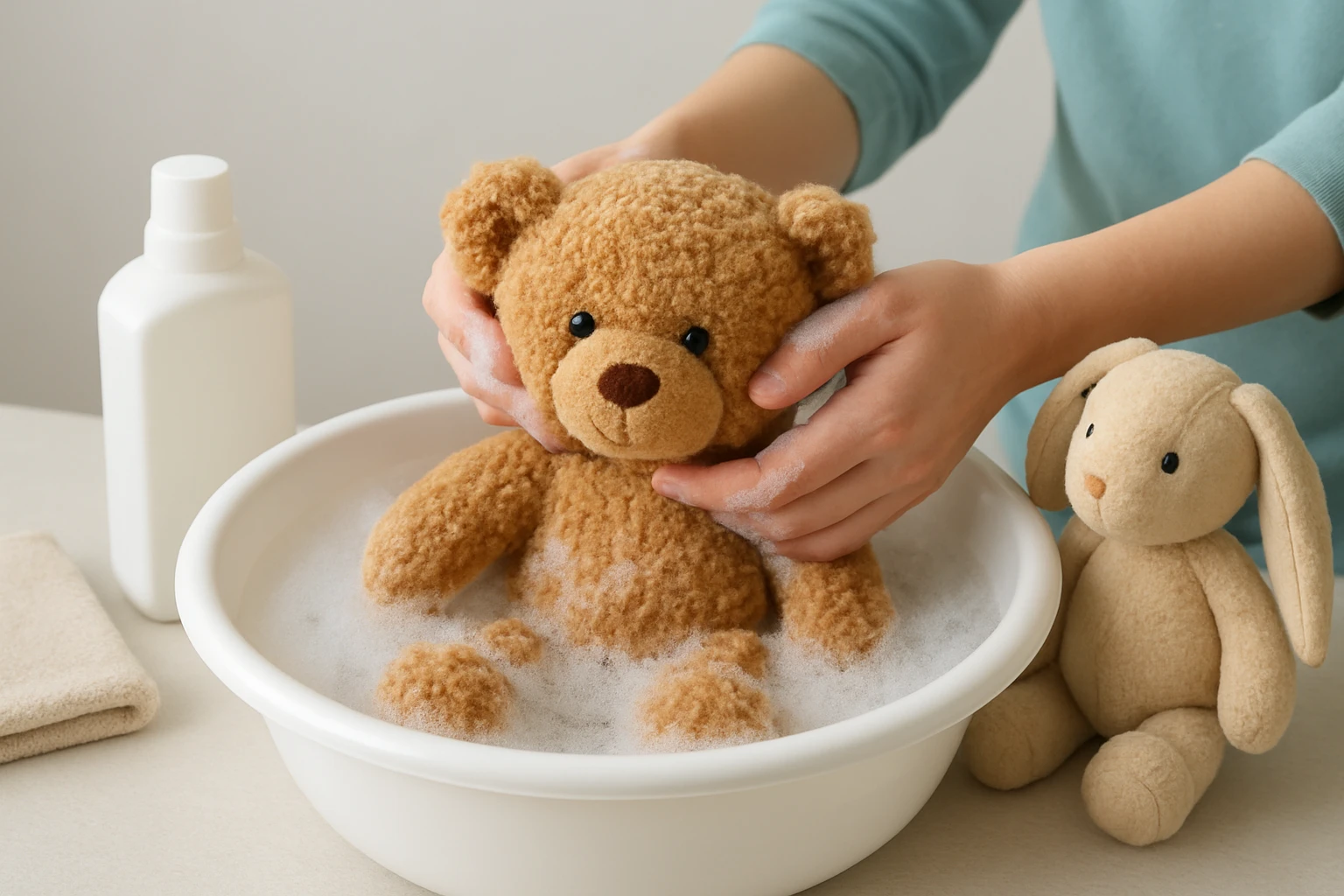
How to Wash Stuffed Animals for Children with Eczema: Gentle, Step‑by‑Step Guide to Remove Allergens and Protect Sensitive Skin
Introduction
Parents of children with eczema often wonder how to keep beloved plush companions clean without aggravating sensitive skin. This guide explains a systematic approach that removes dust mites, pollen, and detergent residues while preserving the softness of each toy. Readers will learn which materials are safest, how to choose a hypoallergenic detergent, and how to dry items without causing shrinkage or fabric damage. By following these instructions, one can maintain a healthy play environment and reduce flare‑ups caused by hidden allergens.
The method presented relies on evidence‑based practices and incorporates three carefully selected Amazon products that function as tools rather than mandatory purchases. Even without acquiring these items, the steps remain fully actionable, ensuring that every family can benefit from the information.
What You'll Need
- A gentle, plant‑based laundry detergent such as Molly's Suds Laundry Detergent (price $22.99, rating 4.8/5)
- A large mesh laundry bag or pillowcase for delicate items
- A soft‑bristle brush for pre‑treating stains
- Cold water supply and a front‑loading washing machine with a gentle cycle
- Clean, dry towels for blotting excess moisture
- Optional: a low‑heat dryer or a well‑ventilated area for air drying
Step 1: Inspect and Sort Toys
Begin by examining each stuffed animal for visible stains, tears, or loose seams. Separate toys that contain plastic eyes or metal components, as these may require hand washing to avoid damage. Place soft, washable toys such as the Mary Meyer Putty Hound (price $20.95, rating 4.8/5) together in a mesh bag to protect them during the wash cycle. Sorting by fabric type reduces the risk of color bleeding and ensures that delicate fibers receive uniform treatment.
When a toy shows signs of wear, reinforce seams with a needle and thread before laundering. This precaution prevents further fraying and keeps the stuffing contained, which is especially important for children with eczema who may be prone to skin irritation from exposed fibers.
Step 2: Pre‑Treat Stains Gently
Apply a small amount of the gentle detergent directly to any visible stains. Use a soft‑bristle brush to work the solution into the fabric in a circular motion, taking care not to scrub aggressively. The plant‑based surfactants in Molly's Suds Laundry Detergent break down oils and proteins without leaving harsh residues that could trigger eczema flare‑ups.
Allow the pre‑treatment to sit for five minutes; this dwell time enables the enzymes to penetrate fibers and loosen embedded allergens such as pollen or pet dander. Rinse the treated area with cool water to remove excess detergent before proceeding to the main wash.
Step 3: Choose the Correct Washing Cycle
Select a front‑loading washing machine and set it to a cold‑water, gentle or delicate cycle. Cold water preserves the integrity of plush fibers and prevents shrinkage, while the gentle agitation reduces mechanical stress on stitching. Use the machine’s extra‑rinse option if available; an additional rinse flushes lingering detergent particles that could irritate sensitive skin.
Load the mesh bag containing the stuffed animals, ensuring that the drum is not overcrowded. Overcrowding limits water circulation and can result in uneven cleaning, leaving allergens trapped inside the toy.
Step 4: Use a Hypoallergenic Detergent
Measure the recommended amount of Molly's Suds Laundry Detergent according to the product label—typically one tablespoon for a full load. This detergent is free from synthetic fragrances, dyes, and harsh chemicals, making it suitable for children with eczema and for those who prefer a clean‑rinsing formula.
The concentrated formula means that a small quantity is sufficient for up to 100 loads, providing both economic value and reduced environmental impact. Its plant‑based surfactants dissolve easily in cold water, ensuring thorough cleaning without the need for hot water, which can exacerbate skin sensitivity.
Step 5: Rinse Thoroughly and Remove Excess Moisture
After the wash cycle completes, run an additional cold‑water rinse if the machine does not already include one. This step guarantees that no detergent residue remains trapped within the stuffing, a critical consideration for eczema‑prone children. Once rinsed, gently press the toys between clean towels to absorb surplus water; avoid wringing, which can distort shape and damage seams.
For larger plush items such as the Douglas Wizard Snowy Owl (price $16.95, rating 4.8/5), lay the toy flat on a dry towel and roll the towel to extract moisture without stretching the fabric. This technique preserves the toy’s weighted bum and feet, features that contribute to a comforting hug for the child.
Step 6: Dry Safely Without Heat Damage
Air drying is the safest method for preserving the softness and shape of stuffed animals. Place the toys on a clean, dry surface in a well‑ventilated area away from direct sunlight, which can fade colors. If a dryer is preferred, use the lowest heat setting and add a few clean tennis balls to maintain fluffiness, but monitor the toys closely to prevent overheating.
Ensure that the toys are completely dry before returning them to the child’s play area. Residual moisture can promote mold growth, which introduces additional allergens and may irritate eczema‑sensitive skin.
Tips & Pro Tips
- Rotate plush toys weekly to reduce the buildup of allergens on any single item.
- Store clean toys in a breathable cotton bag rather than plastic containers to allow air circulation.
- Consider using a fragrance‑free fabric softener sparingly, as many contain chemicals that can trigger skin reactions.
- For stubborn odors, add a half‑cup of white vinegar to the rinse cycle; vinegar neutralizes lingering smells without leaving a residue.
When washing multiple toys, keep a record of the detergent amount used for each load. This practice helps maintain consistency and prevents accidental over‑use, which could lead to residue buildup.
Troubleshooting
Problem: Toy remains stiff after drying.
Solution: Gently fluff the stuffing by hand or place the toy in the dryer on a no‑heat setting with a clean tennis ball for ten minutes. The ball helps redistribute the filling and restores softness.
Problem: Color bleeding observed on other garments.
Solution: Wash plush toys separately or use a color‑catching sheet in the wash. This precaution protects both the toy and other laundry items.
Conclusion
By following the outlined steps, one can effectively clean stuffed animals while minimizing exposure to allergens and irritants that exacerbate eczema. The use of a hypoallergenic, plant‑based detergent such as Molly's Suds Laundry Detergent ensures a gentle yet thorough cleanse, and proper drying techniques preserve the comforting qualities of each toy. Consistent maintenance of plush companions contributes to a healthier environment for children with sensitive skin.
Implement these practices regularly, and one will notice fewer skin reactions, happier playtimes, and longer‑lasting favorite toys.
Products Mentioned in This Guide
Frequently Asked Questions
What type of detergent is safest for washing stuffed animals of children with eczema?
Use a gentle, plant‑based, fragrance‑free detergent that is labeled hypoallergenic.
Can I machine‑wash plush toys without damaging them?
Yes, place the toy in a pillowcase or laundry bag, use a gentle cycle, cold water, and avoid high spin speeds.
How should I dry stuffed animals to prevent shrinkage and mold?
Air‑dry them flat in a well‑ventilated area or use a low‑heat dryer setting with clean tennis balls to maintain fluffiness.
Do I need special tools like a lint remover or UV sanitizer?
They can help but are optional; thorough washing and proper drying remove most allergens.
How often should I clean my child's stuffed animals to reduce eczema flare‑ups?
Wash them every 2–4 weeks, or sooner if they become visibly dirty or after illness.