Introduction
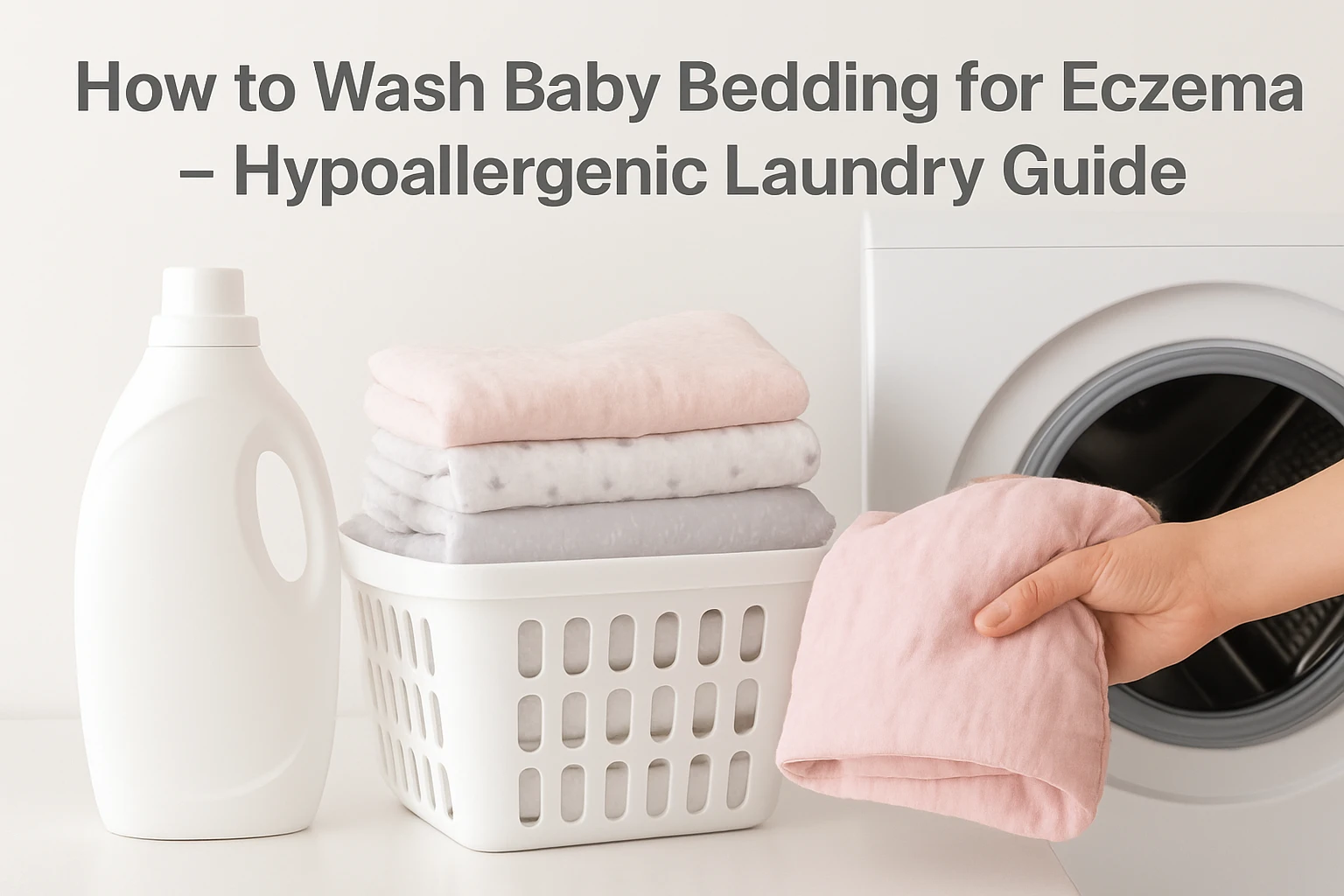
This guide explains how one can wash baby bedding in a manner that minimizes irritation for infants with eczema. It outlines a systematic, hypoallergenic laundry process that protects delicate skin while preserving the softness of fabrics. Readers will learn why each step matters, which ingredients to avoid, and how to select tools that enhance cleanliness without compromising comfort. By following the instructions, caregivers can reduce the frequency of flare‑ups caused by residual detergents, harsh water minerals or improper drying techniques. The result is a safe sleeping environment that promotes healthier skin and more restful nights.
What You’ll Need
- Gentle, fragrance‑free detergent (e.g., a pediatric‑safe liquid detergent)
- White vinegar for natural fabric softening
- Mesh laundry bags to protect small items
- Soft‑bristle brush for pre‑treating stains
- Clean, low‑heat dryer or drying rack
- Luvable Friends Baby Blankets – 7‑Pack
- Bedsure Queen Comforter Set (optional for older children)
Step 1: Gather Supplies and Sort Items
Begin by separating baby bedding from adult linens, towels and heavily soiled garments. Sorting prevents cross‑contamination of allergens and ensures that the washing machine is not overloaded, which could reduce agitation efficiency. Place the Luvable Friends Baby Blankets in a mesh laundry bag to protect the delicate cotton flannel from friction. If the household uses a comforter for a toddler, the Bedsure Queen Comforter Set should be washed separately because of its larger size and different fiber composition.
Step 2: Pre‑Treat Stains Gently
Inspect each blanket and sheet for localized stains such as milk, saliva or diaper leaks. Dampen the affected area with cool water, then apply a small amount of fragrance‑free detergent directly to the spot. Use a soft‑bristle brush to work the detergent into the fibers without scrubbing aggressively, which could damage the cotton surface. Allow the pre‑treatment to sit for five minutes before loading the items into the washer. This step removes protein‑based residues that can exacerbate eczema when left on the fabric.
Step 3: Select an Appropriate Detergent
Choose a detergent that is free of dyes, fragrances and optical brighteners. Such additives are common triggers for eczema flare‑ups because they can remain trapped in the weave after rinsing. A pediatric‑safe liquid detergent provides a clear, low‑pH formula that rinses easily. Adding half a cup of white vinegar to the rinse cycle acts as a natural fabric softener, neutralizes any remaining detergent residue, and helps maintain the softness of the Luvable Friends Baby Blankets. Vinegar is also safe for the skin and does not leave an odor after drying.
Step 4: Choose the Correct Wash Cycle and Water Temperature
Set the washing machine to a gentle or delicate cycle with a maximum spin speed of 600 rpm. Use warm water (30‑40 °C or 86‑104 °F) because hot water can shrink cotton flannel and increase the release of residual chemicals. Warm water is sufficient to dissolve detergent while preserving the integrity of the fibers. For the Bedsure Queen Comforter Set, the same temperature applies; however, the comforter’s microfiber construction tolerates a slightly longer wash to ensure thorough cleaning.
Step 5: Rinse Thoroughly and Add a Final Rinse
After the primary wash, initiate an extra rinse cycle to guarantee that all detergent and vinegar are removed. Residual cleaning agents are a primary cause of skin irritation in eczema‑prone infants. An additional rinse also reduces the likelihood of static buildup, which can cause minor abrasions on sensitive skin. Verify that the washing machine’s water level is adequate for a full rinse; low water levels can leave traces of soap embedded in the fabric.
Step 6: Dry the Bedding Safely
Transfer the washed items to a low‑heat dryer or a clean drying rack placed in a well‑ventilated area. Use a tumble‑dry setting no higher than 40 °C (104 °F) and add a clean, dry towel to the dryer to help absorb excess moisture. Avoid high heat because it can harden cotton fibers, making the blankets feel rough against the skin. If using a drying rack, ensure that the bedding is spread evenly to prevent creasing, which can trap moisture and promote mildew growth. Once dry, fold the blankets while still warm to preserve their softness.
Step 7: Store Clean Bedding Properly
Store the dried blankets and sheets in a breathable cotton bag or a clean drawer lined with a cotton sheet. Avoid plastic containers that can trap humidity and lead to mold formation. For the Bedsure Queen Comforter Set, keep the comforter in a zip‑top storage bag with a small silica packet to control moisture, especially in humid climates. Proper storage maintains the hypoallergenic qualities of the fabrics and ensures that the next wash will be equally effective.
Tips & Pro Tips
- Wash baby bedding at least once a week to remove accumulated skin oils and environmental allergens.
- Never use fabric softeners, dryer sheets or bleach, as they contain chemicals that can irritate eczema‑sensitive skin.
- Consider adding a half‑cup of baking soda to the wash cycle for an extra deodorizing boost without compromising hypoallergenicity.
- Inspect the washing machine’s lint filter before each load; a clogged filter reduces rinsing efficiency.
- Rotate blankets regularly so that each piece receives equal wear and cleaning frequency.
Troubleshooting
Problem: Persistent itchiness after using freshly washed blankets.
Solution: Run an additional rinse cycle with white vinegar and verify that the detergent is truly fragrance‑free. If irritation continues, consider switching to a detergent specifically formulated for sensitive skin, such as a hypoallergenic baby detergent.
Problem: Blankets feel stiff after drying.
Solution: Reduce dryer heat and add a clean tennis ball or dryer ball to the load; this helps fluff the fibers and restores softness.
Conclusion
By following this comprehensive, step‑by‑step laundry routine, caregivers can create a consistently clean and soothing sleep environment for babies with eczema. The guide emphasizes gentle handling, appropriate product selection and meticulous rinsing to eliminate irritants. Implementing these practices reduces the frequency of skin flare‑ups, promotes better sleep quality, and extends the lifespan of cherished baby bedding such as the Luvable Friends Baby Blankets. Consistent care ensures that both infant comfort and parental peace of mind are maintained.
Products Mentioned in This Guide
Frequently Asked Questions
What type of detergent is safest for baby bedding with eczema?
Use a gentle, fragrance‑free, pediatric‑safe liquid detergent that is labeled hypoallergenic.
Why is white vinegar recommended in the laundry process?
White vinegar naturally softens fabrics and helps remove detergent residues that can irritate sensitive skin.
How can I protect small baby items like blankets during washing?
Place them in mesh laundry bags to prevent tangling and reduce wear while allowing thorough cleaning.
What drying method preserves softness without triggering eczema?
Dry on a low‑heat setting or air‑dry on a rack to avoid high temperatures that can damage fibers and trap irritants.
Should I pre‑treat stains on baby bedding, and how?
Yes, gently brush stains with a soft‑bristle brush and a small amount of the fragrance‑free detergent before washing.