Introduction
Many households assume that clean‑looking sheets are free of chemical remnants, yet detergent residue can accumulate over time. Residue may cause skin irritation, reduce fabric breathability, and attract dirt more quickly. This guide explains five easy DIY checks that anyone can perform without specialized equipment. By the end of the article, readers will be able to identify hidden soap build‑up and apply effective removal techniques.
What You’ll Need
- Two clean white towels for visual comparison
- Distilled water in a spray bottle
- A digital kitchen scale (optional for precise measurements)
- Measuring cup or cap for detergent dosing
- Access to a washing machine
- Either Arm & Hammer Sensitive Skin Detergent or Dirty Labs Signature Laundry Detergent for cleaning trials
Step 1: Visual Inspection
The first check involves a simple visual comparison between a suspect sheet and a brand‑new white towel. Lay the bedding flat on a well‑lit surface and observe any faint discoloration, streaks, or film that differ from the towel. Residue often appears as a dull, grayish haze that does not wash away with a quick rinse. If such visual cues are present, proceed to the next test to confirm the presence of soap build‑up.
Step 2: Smell Test
A lingering detergent scent after a wash indicates that excess surfactants remain trapped in the fibers. Bring the bedding close to the nose and inhale gently; a faint chemical odor suggests residue, whereas a truly clean sheet should be odorless or have only a fresh laundry scent. To eliminate false positives, perform the test after the bedding has dried completely, as moisture can amplify odors. If an odor is detected, consider a corrective wash using Arm & Hammer Sensitive Skin Detergent, which is hypoallergenic, dye‑free, and formulated to rinse clean without leaving film. This product costs $13.98, holds a rating of 4.7 out of 5 from over 61,000 reviewers, and is specifically designed for sensitive skin, reducing the risk of irritation during the remediation wash.
Step 3: Water Absorption Test
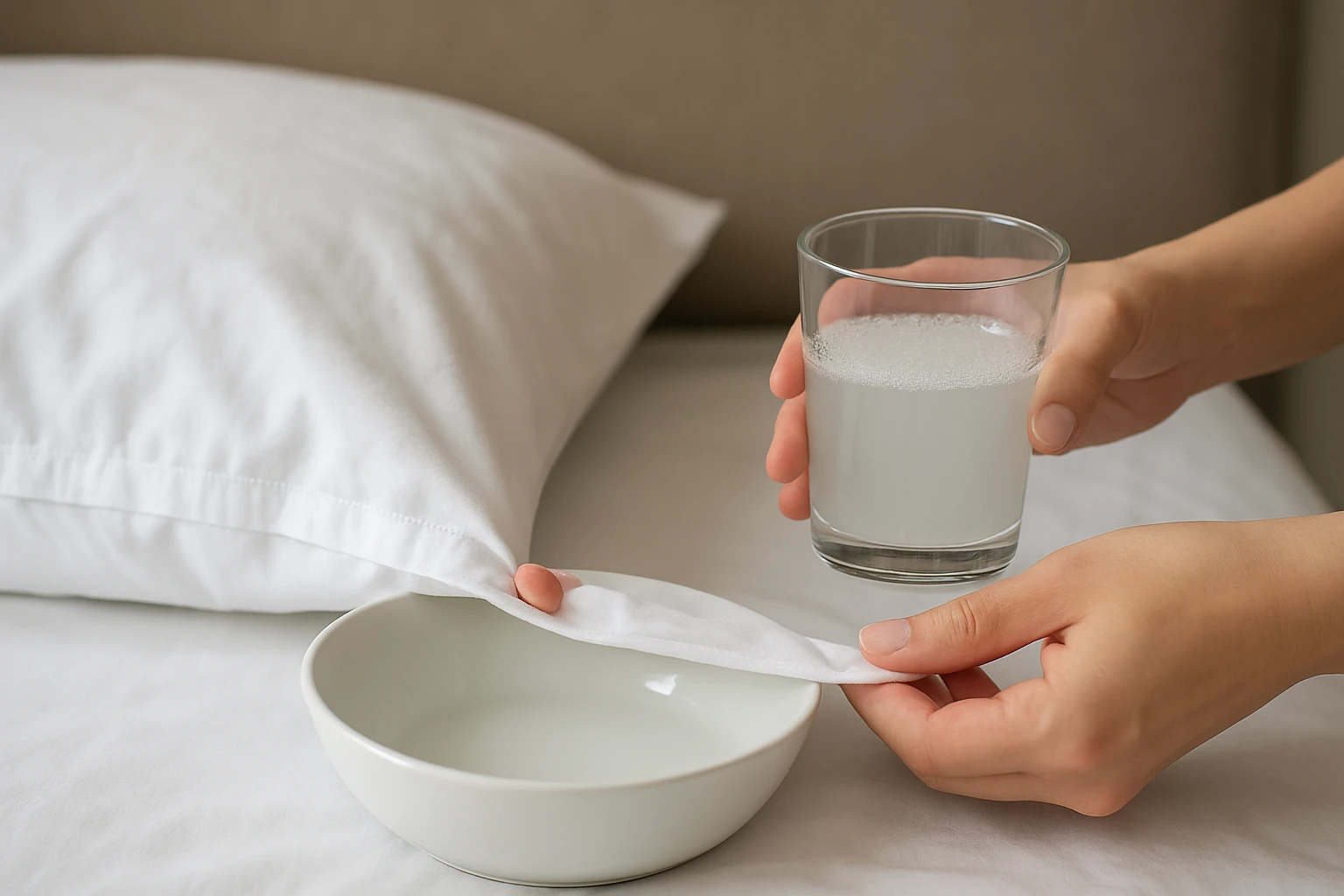
Detergent residue reduces a fabric’s ability to absorb water, causing the sheet to feel stiff after a wash. Place a small cup of distilled water on the bedding surface and observe how quickly the water spreads. On a residue‑free sheet, the water should bead briefly and then be absorbed within a few seconds; on a sheet with build‑up, the water will remain beaded and may even roll off. To restore proper absorption, run a dedicated rinse cycle using Dirty Labs Signature Laundry Detergent. This hyper‑concentrated formula provides powerful stain and odor removal while remaining gentle on fabrics, making it ideal for a deep‑cleaning rinse. Priced at $20.00, it carries a rating of 4.3 out of 5 from more than 5,000 reviewers and is certified EPA Safer Choice and 97% USDA‑Biobased, ensuring an environmentally responsible clean.
Step 4: Fabric Softness Test
After a normal wash, gently run a hand over the sheet surface; residue often leaves a slightly sticky or plasticky feel. Compare this sensation with a freshly laundered towel that has been washed using a low‑residue detergent. If the bedding feels less supple, it likely contains lingering surfactants that have not been fully rinsed out. A short extra rinse cycle without detergent can help, but for stubborn cases a second wash with the gentle formula of Arm & Hammer Sensitive Skin Detergent will dissolve remaining film while protecting delicate skin.
Step 5: Rinse Cycle Verification
The final check confirms that the washing machine’s rinse function is performing adequately. Add a small amount of the chosen detergent to the detergent compartment, then select a cycle that includes an extra rinse or “extra spin” option. After the cycle completes, inspect the water that exits the machine; it should be clear and free of suds. Persistent suds indicate that the machine is not draining properly, which can contribute to residue buildup on bedding. Adjusting the machine’s load size or cleaning the lint filter often resolves this issue.
Tips & Pro Tips
- Use distilled water for the absorption test to avoid mineral interference that could mimic residue effects.
- When measuring detergent, follow the cap instructions precisely; over‑dosing is a common cause of film formation.
- For households with multiple occupants, designate a fragrance‑free detergent such as the Arm & Hammer Sensitive Skin option to minimize allergic reactions.
- Periodically run an empty‑machine hot water cycle with a cup of white vinegar to clear any internal soap buildup.
- Store bedding in a dry, well‑ventilated area to prevent moisture‑induced odor that can be mistaken for detergent residue.
Troubleshooting
Problem: Residue persists after multiple rinses.
Solution: Switch to a low‑sudsing, high‑efficiency detergent such as the Arm & Hammer Sensitive Skin formula and reduce the amount used per load by 25 percent.
Problem: Persistent odor despite using fragrance‑free detergent.
Solution: Perform a two‑step wash: first with a small dose of Dirty Labs Signature Laundry Detergent to break down organic buildup, followed by an extra rinse using only water.
Conclusion
Detecting detergent residue on bedding does not require laboratory equipment; the five DIY checks described above provide reliable, low‑cost methods for any household. By combining visual, olfactory, absorption, softness, and rinse verification tests, one can confidently assess the cleanliness of sheets and take corrective action when needed. The recommended detergents—Arm & Hammer Sensitive Skin Detergent and Dirty Labs Signature Laundry Detergent—offer complementary strengths, ensuring both gentle care for sensitive skin and powerful cleaning performance. Regular monitoring and proper detergent dosing will extend the life of bedding, improve comfort, and protect skin health.
Products Mentioned in This Guide
Frequently Asked Questions
How can I tell if my sheets have detergent residue?
Compare a suspect sheet to a clean white towel; lingering film, stiffness, or a soapy sheen indicates residue.
What simple DIY test can I do at home without special tools?
Spray distilled water on the fabric; if bubbles or a slippery feel appear, detergent is still present.
Why does detergent buildup affect skin health?
Residue can irritate sensitive skin and exacerbate conditions like eczema or allergies.
Can I use a kitchen scale to measure detergent for a residue‑removal wash?
Yes, weighing detergent helps ensure you use the correct amount and avoid over‑dosing.
What type of detergent is best for removing existing soap buildup?
A hypoallergenic, low‑sudsing detergent such as Arm & Hammer Sensitive Skin or Dirty Labs Signature Laundry works well for a rinse‑out cycle.