
How to Remove Stains Without Irritating Eczema: 7 Gentle, Dermatologist‑Approved Methods
Introduction
Stains on baby bottles, toys, and household fabrics are inevitable, but the cleaning agents traditionally used can aggravate eczema‑prone skin. This guide teaches seven dermatologist‑approved methods that cleanse effectively while preserving the skin barrier. Readers will learn why certain ingredients are safe, how to combine household tools with specialized products, and how to avoid common irritants. The result is a practical, step‑by‑step plan that protects sensitive skin without compromising cleanliness.
What You'll Need
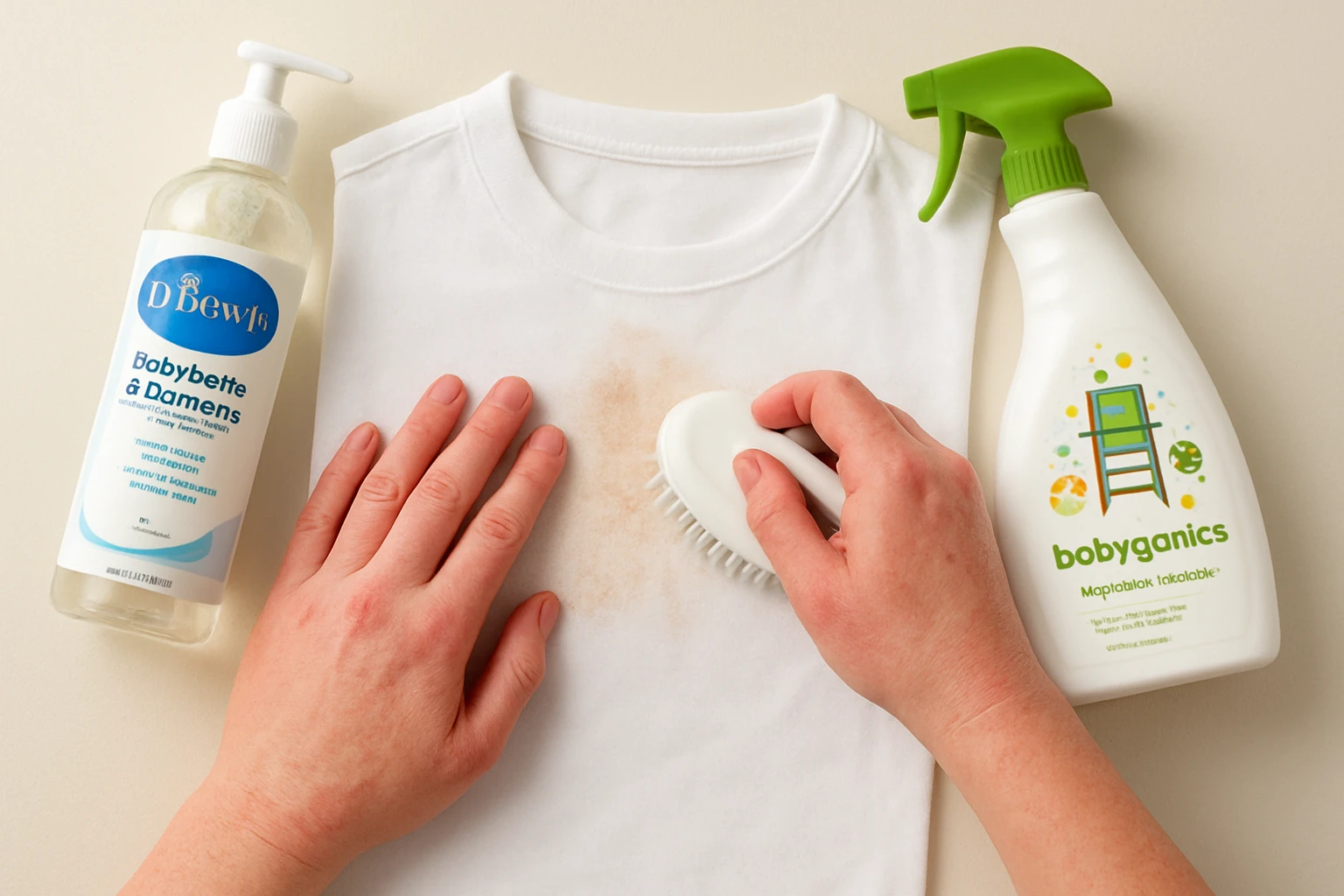
- Dr. Brown's Bottle & Dish Soap – $5.68
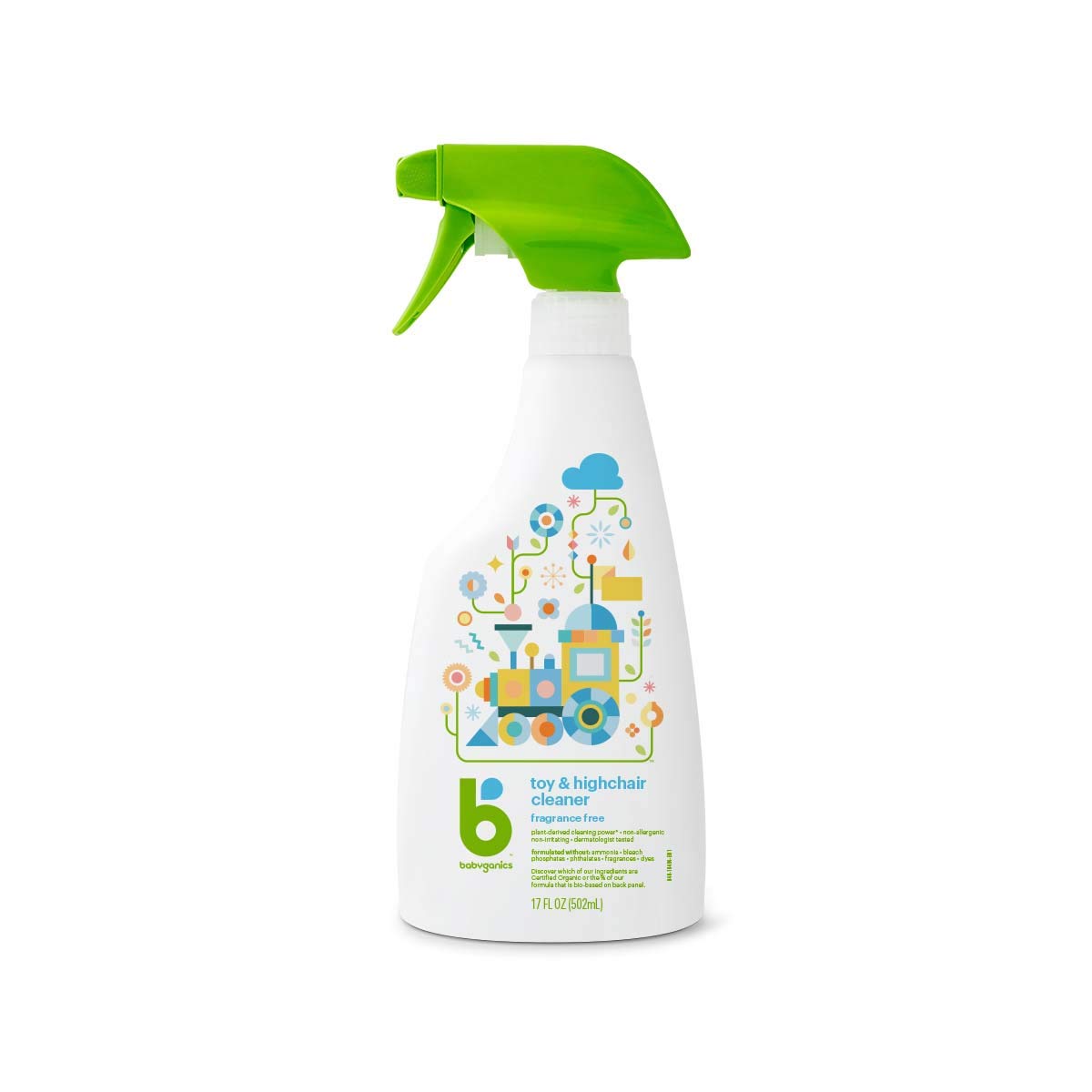
- Babyganics Toy & Highchair Cleaner – $19.06
- Soft microfiber cloths
- Non‑abrasive sponge
- White distilled water
- Rubber gloves (optional for those with hand eczema)
- Baking soda, white vinegar, and mild liquid castile soap (for DIY alternatives)
Step 1: Prepare a Fragrance‑Free Cleaning Solution
The first step in any stain‑removal routine is to create a cleaning solution that does not contain synthetic fragrances, dyes, or harsh surfactants. Fragrances are a leading trigger for eczema flare‑ups because they can disrupt the skin’s natural lipid barrier. Mix one cup of warm distilled water with a few drops of Dr. Brown's Bottle & Dish Soap. This product is plant‑derived, enzyme‑powered, and fragrance‑free, making it ideal for delicate skin. The enzymes break down protein‑based stains such as milk residue, while the plant‑based surfactants lift dirt without stripping natural oils.
Why this product works:
- Hypoallergenic and dermatologist‑tested – reduces risk of irritation.
- Enzyme‑based formula – targets stubborn milk film without abrasive scrubbing.
- Non‑toxic, free of phosphates, parabens, and dyes – safe for both baby items and eczema‑sensitive users.
Cost: $5.68 for a 16 oz bottle, providing enough solution for dozens of cleaning cycles.
Step 2: Pre‑Soak Stubborn Bottle and Pacifier Stains
For baby bottles, nipples, and pacifiers that have dried milk or formula, a brief pre‑soak maximises enzyme activity. Submerge the items in the solution prepared in Step 1 and let them sit for 10‑15 minutes. The enzymes will begin to hydrolyse the protein bonds, loosening the stain without the need for vigorous scrubbing, which could irritate fragile skin if residue remains.
After soaking, use a soft, non‑abrasive sponge to gently rub any remaining film. Rinse thoroughly with distilled water to remove any soap residue, which could otherwise act as a secondary irritant.
Step 3: Clean Highchair Trays and Toy Surfaces with a Non‑Toxic Spray
Highchair trays, plastic toys, and silicone bibs often accumulate greasy food stains that are difficult to remove with water alone. Babyganics Toy & Highchair Cleaner is specifically formulated for these surfaces. It is plant‑based, non‑allergenic, and free of ammonia, bleach, and fragrances, making it safe for eczema‑prone individuals.
Why this product works:
- Gentle yet effective – removes food residue without leaving harsh chemical residues.
- Pediatrician and dermatologist tested – confirms safety for direct contact with a child’s mouth.
- Spray format – ensures even coverage and reduces the need for excessive wiping, limiting mechanical irritation.
Cost: $19.06 for a 17 oz spray bottle, sufficient for regular highchair cleaning.
Application: Spray the cleaner onto the surface, let it sit for 30 seconds, then wipe with a microfiber cloth. For textured toys, use a soft brush to reach crevices before wiping.
Step 4: Tackle Fabric Stains with a Baking Soda Paste
When dealing with cloth items such as bibs, burp cloths, or soft toys, avoid conventional laundry detergents that contain fragrances and optical brighteners. Instead, create a paste using two parts baking soda and one part water. Baking soda is mildly alkaline, helping to lift stains while neutralising acidic irritants that can aggravate eczema.
Apply the paste directly to the stained area, gently rub with a soft cloth, and let it sit for five minutes. Rinse thoroughly and launder the item in a fragrance‑free detergent. This method avoids introducing new irritants while effectively removing common food stains.
Step 5: Use White Vinegar for Mineral Deposits
Hard water can leave mineral deposits on glass bottles and silicone nipples, creating a cloudy appearance that may trap bacteria. A solution of one part white vinegar to three parts distilled water dissolves these deposits without harsh acids. Vinegar is naturally antimicrobial and does not contain fragrances.
Soak the affected items for five minutes, then rinse well with distilled water. Follow with a quick rinse using the enzyme‑rich solution from Step 1 to ensure no vinegar residue remains, as lingering acidity could irritate sensitive skin.
Step 6: Rinse with Cool Water to Seal the Skin Barrier
After cleaning, a final rinse with cool (not hot) distilled water helps close the pores of the material and prevents heat‑induced irritation. Cool water also reduces the likelihood of residual soap drying on the surface, which can be a hidden irritant for eczema‑prone users.
Allow the cleaned items to air‑dry on a clean, lint‑free towel. Avoid using cloth dryer sheets, which often contain fragrances and softening agents that can transfer to the cleaned items.
Step 7: Store Clean Items in a Dry, Dust‑Free Environment
Even after thorough cleaning, storing items in a humid or dusty environment can reintroduce allergens. Use airtight containers or breathable fabric bags that are free of synthetic dyes. This practice maintains the cleanliness achieved in the previous steps and reduces the need for frequent re‑cleaning, thereby limiting exposure to potential irritants.
Tips & Pro Tips
- Test a small area first. Before applying any solution to a new surface, test on an inconspicuous spot to ensure no discoloration occurs.
- Wear gloves if you have hand eczema. Even fragrance‑free products can be drying; gloves protect the skin barrier.
- Rotate cleaning agents. Using the same product continuously can lead to buildup; alternating between enzyme‑based soap and vinegar helps maintain efficacy.
- Maintain a cleaning schedule. Regular, gentle cleaning prevents stains from setting, reducing the need for aggressive methods.
- Use distilled water. Tap water may contain chlorine or minerals that can irritate eczema‑sensitive skin.
Troubleshooting
Problem: Stubborn milk film remains after soaking.
Solution: Increase soak time to 30 minutes and gently agitate the water. The additional enzyme exposure will further break down protein bonds.
Problem: Residual odor on silicone nipples.
Solution: After the enzyme soak, rinse with a 1:3 vinegar‑water solution, then perform a final cool‑water rinse. The mild acidity neutralises odor‑causing compounds.
Conclusion
By following these seven dermatologist‑approved steps, one can remove common stains from baby items and household surfaces without provoking eczema flare‑ups. The combination of enzyme‑powered, fragrance‑free soap, a plant‑based highchair cleaner, and simple household ingredients creates a comprehensive, skin‑friendly cleaning system. Consistent use of these methods protects the skin barrier, reduces allergen exposure, and maintains the hygiene standards essential for a healthy infant environment.
Products Mentioned in This Guide
Dr. Brown's Bottle & Dish Soap
Price: $5.68
Key Features: Plant‑derived cleansers, enzyme‑powered, hypoallergenic, fragrance‑free, dermatologist tested.
Babyganics Toy & Highchair Cleaner
Price: $19.06
Key Features: Gentle plant‑based formula, non‑allergenic, pediatrician & dermatologist tested, fragrance‑free, spray bottle.
Frequently Asked Questions
What ingredients should I avoid when cleaning items for eczema‑prone skin?
Steer clear of fragrances, dyes, harsh surfactants, and bleach, as they can strip the skin barrier and trigger flare‑ups.
Can I use common household products like baking soda and vinegar safely on baby items?
Yes, when diluted with distilled water they are mild, non‑irritating options that effectively lift stains without harming sensitive skin.
Why is Dr. Brown's Bottle & Dish Soap recommended for eczema‑safe stain removal?
It’s a fragrance‑free, hypoallergenic formula that cleans thoroughly while maintaining a gentle pH suitable for delicate skin.
How do I protect my own hands if I have hand eczema while cleaning?
Wear rubber gloves and choose a non‑abrasive sponge or microfiber cloth to minimize friction and exposure to irritants.
What is the best step‑by‑step method to remove stubborn stains from fabric toys?
Pre‑soak the toy in a solution of warm distilled water and a few drops of Babyganics Toy Cleaner, gently scrub with a soft sponge, rinse thoroughly, and air‑dry.