
Introduction
One will learn a systematic nighttime routine that minimizes eczema flares, optimizes bedding hygiene, and applies proper laundry techniques. The guide explains why each action matters, how it supports the skin barrier, and which tools can enhance the process. By following the steps, one can expect fewer itch episodes, improved sleep quality, and a calmer complexion. The information is based on dermatological best practices and real‑world product performance.
What You’ll Need
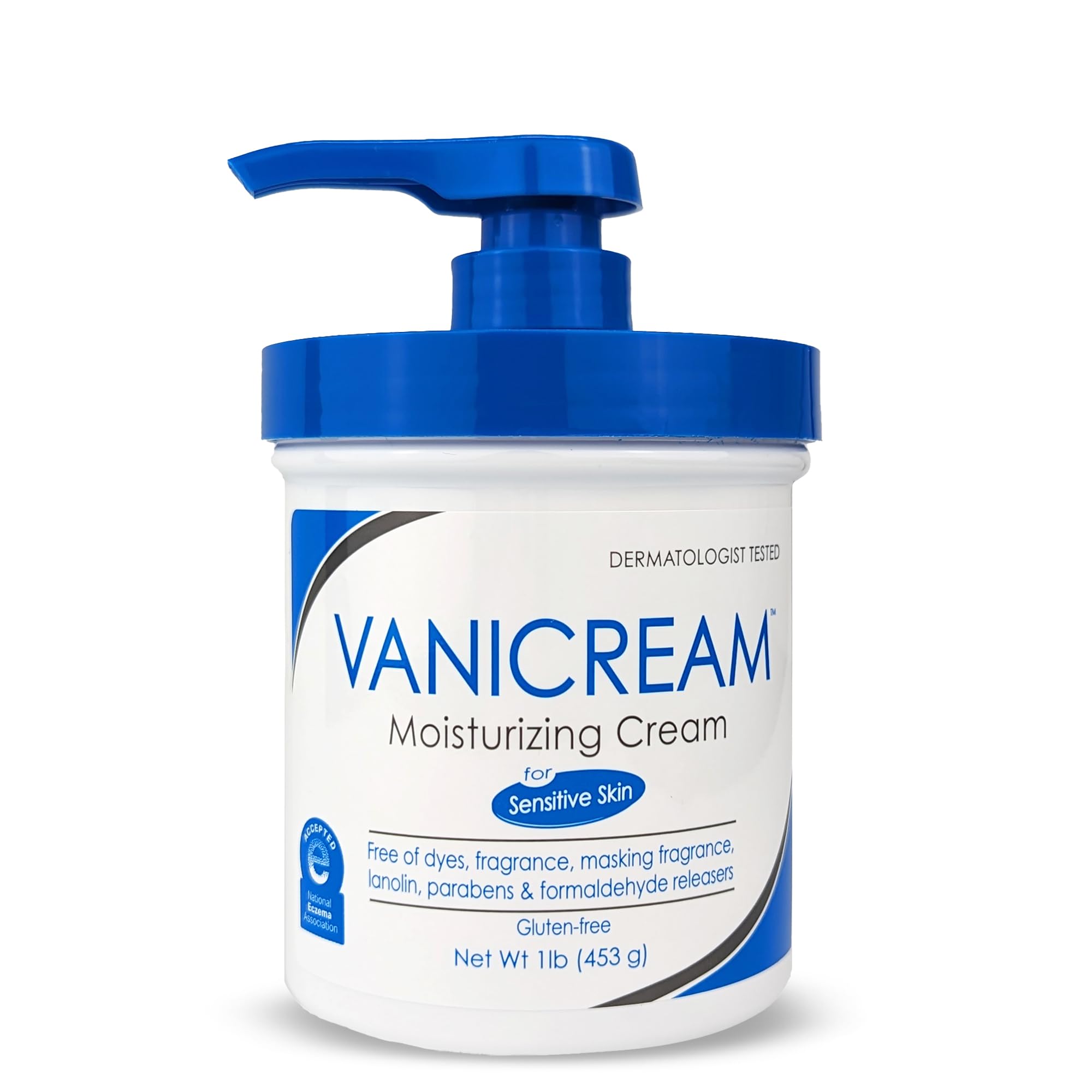
- Gentle, fragrance‑free moisturiser – Vanicream Moisturizing Cream
- Non‑stripping facial cleanser – La Roche-Posay Purifying Face Cleanser
- Hypoallergenic pillowcases and sheets (100% cotton or bamboo)
- Mild, dye‑free laundry detergent
- Soft, lint‑free towels
- Humidifier (optional but beneficial in dry climates)
Step 1: Cleanse the Skin Before Bed
Begin with a gentle cleanse to remove allergens, sweat, and residual products that could irritate the skin barrier. One should use a cleanser that does not disrupt the natural pH and does not contain soaps or sulfates. La Roche-Posay Purifying Face Cleanser meets these criteria; it is soap‑free, fragrance‑free, and contains niacinamide and ceramides that support barrier repair. The product is rated 4.7/5.0 by 48,980 reviewers and costs $17.97, making it a reliable choice for sensitive skin.
Apply a pea‑size amount to damp skin, massage in circular motions for 30 seconds, and rinse with lukewarm water. Pat the skin dry with a soft towel, avoiding vigorous rubbing that could exacerbate irritation.
Step 2: Apply a Moisturising Barrier
After cleansing, seal in moisture while the skin is still slightly damp. A thick, emollient cream that lacks dyes, fragrances, lanolin, and parabens is essential for eczema‑prone individuals. Vanicream Moisturizing Cream provides a non‑comedogenic, dermatologist‑tested formula that has earned the National Eczema Association Seal of Acceptance. Priced at $13.56 and holding a 4.6/5.0 rating from 48,917 reviews, it is suitable for the entire family.
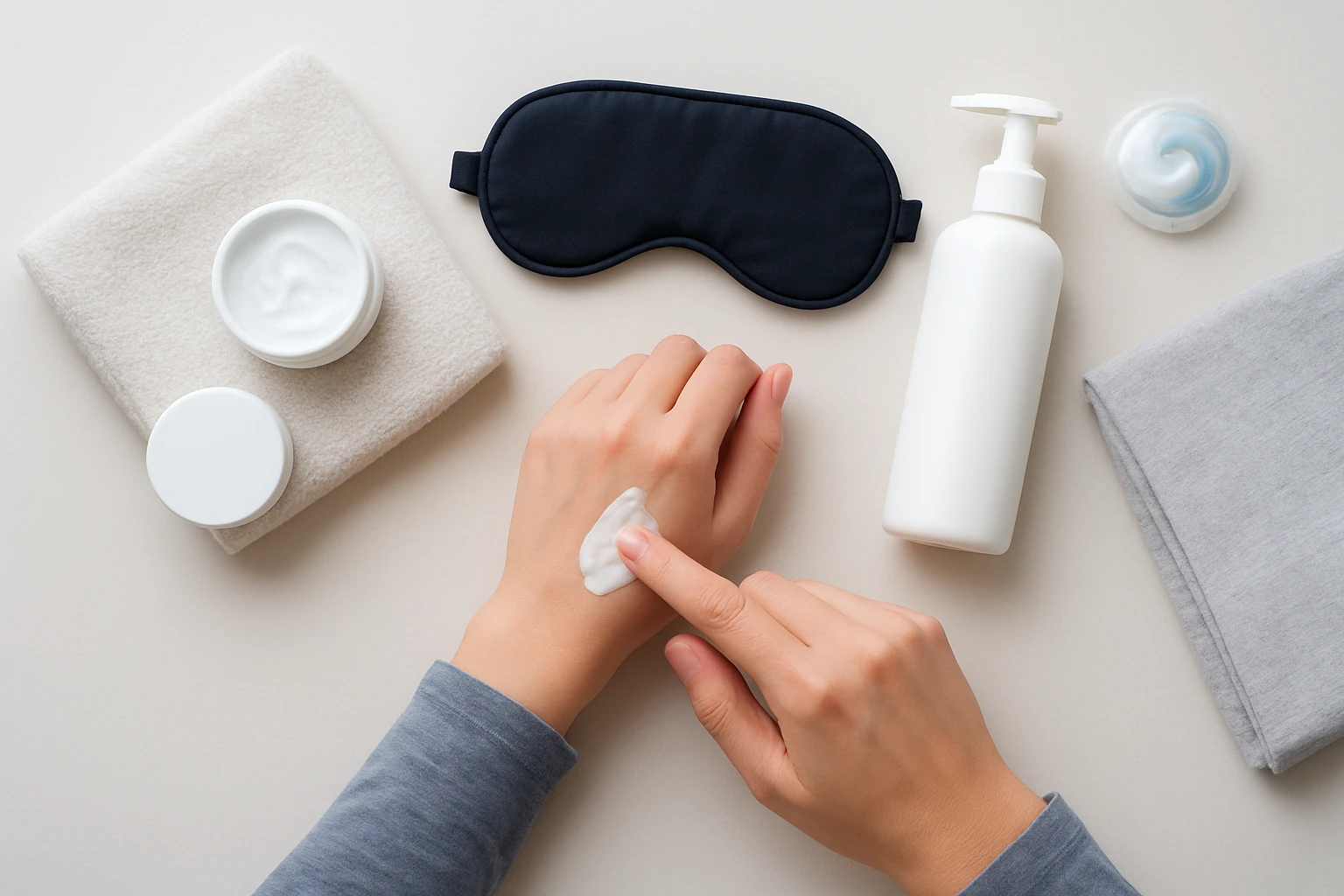
Dispense a generous amount onto the fingertips and massage over the face, hands, feet, and any areas prone to flare‑ups. Reapply as needed throughout the night if the skin feels tight.
Step 3: Optimize the Sleeping Environment
Environmental factors such as temperature, humidity, and fabric texture influence eczema severity. Maintain a bedroom temperature between 65°F and 70°F and consider a humidifier set to 40‑50% relative humidity during winter months. Moist air prevents transepidermal water loss, reducing itch and redness.
Choose bedding made from natural fibres that allow breathability. Cotton or bamboo sheets are preferable because they are less likely to trap heat and cause sweating. Ensure that pillowcases are smooth and free of seams that could irritate the skin.
Step 4: Implement a Laundry Routine That Protects the Skin
Washing bedding and clothing with harsh detergents can leave residues that trigger eczema. Select a mild, dye‑free detergent that is free of fragrances and optical brighteners. Wash items in warm water (not hot) to preserve fibre integrity while still removing allergens.
Rinse twice to ensure complete removal of detergent. If possible, add a cup of white vinegar to the final rinse cycle; the acidity neutralises any remaining soap and softens fibres without adding irritants.
Step 5: Nightly Skin Checks and Adjustments
Before turning off the lights, perform a brief visual inspection of the skin. Look for signs of dryness, redness, or new lesions. If any area appears particularly dry, apply an extra layer of Vanicream Moisturizing Cream to reinforce the barrier.
Document any patterns, such as increased flares after a specific detergent or bedding material, to refine the routine over time.
Tips & Pro Tips
- Rotate pillowcases every three nights to minimise bacterial buildup.
- Store spare bedding in sealed plastic bags to protect against dust mites.
- If a humidifier is used, clean it weekly to prevent mold growth.
- Consider wearing soft, breathable cotton pajamas rather than synthetic fabrics.
- Apply moisturiser immediately after showering, when the skin is most receptive.
Troubleshooting
| Problem | Possible Cause | Solution |
|---|---|---|
| Persistent itching despite moisturiser | Insufficient barrier protection or residual irritants in laundry | Increase moisturiser quantity, switch to a fragrance‑free detergent, and add a vinegar rinse. |
| Dry patches on hands | Frequent hand washing with harsh soap | Replace hand soap with a mild, pH‑balanced cleanser and apply Vanicream after each wash. |
| Redness after using cleanser | Allergic reaction to an ingredient | Discontinue use of the cleanser and consult a dermatologist; consider a mineral‑based cleanser. |
Conclusion
One has now acquired a comprehensive nighttime protocol that addresses skin cleansing, barrier reinforcement, environmental control, and laundry hygiene. By integrating the recommended tools—specifically Vanicream Moisturizing Cream and La Roche-Posay Purifying Face Cleanser—one can reduce the frequency and intensity of eczema flares. Consistent application of these steps will lead to smoother skin, fewer nighttime awakenings, and an overall improvement in quality of life.
Products Mentioned in This Guide


Frequently Asked Questions
What is the best nighttime skincare routine to prevent eczema flares?
Cleanse with a fragrance‑free, non‑stripping cleanser, apply a gentle moisturizer like Vanicream, and keep the skin slightly damp before bedtime.
How do hypoallergenic bedding materials help reduce eczema symptoms?
100% cotton or bamboo sheets and pillowcases are breathable and free of irritants, minimizing sweat and friction that can trigger itching.
Which laundry detergent is safest for eczema‑prone skin?
Use a mild, dye‑free, fragrance‑free detergent that rinses well to avoid residue that can irritate the skin.
Can a humidifier improve eczema during the night?
Yes, adding moisture to dry air helps maintain the skin barrier and reduces nighttime itch, especially in arid climates.
How often should I wash my bedding to keep eczema under control?
Wash sheets and pillowcases at least once a week in hot water (≥130°F/54°C) to eliminate allergens and bacteria.