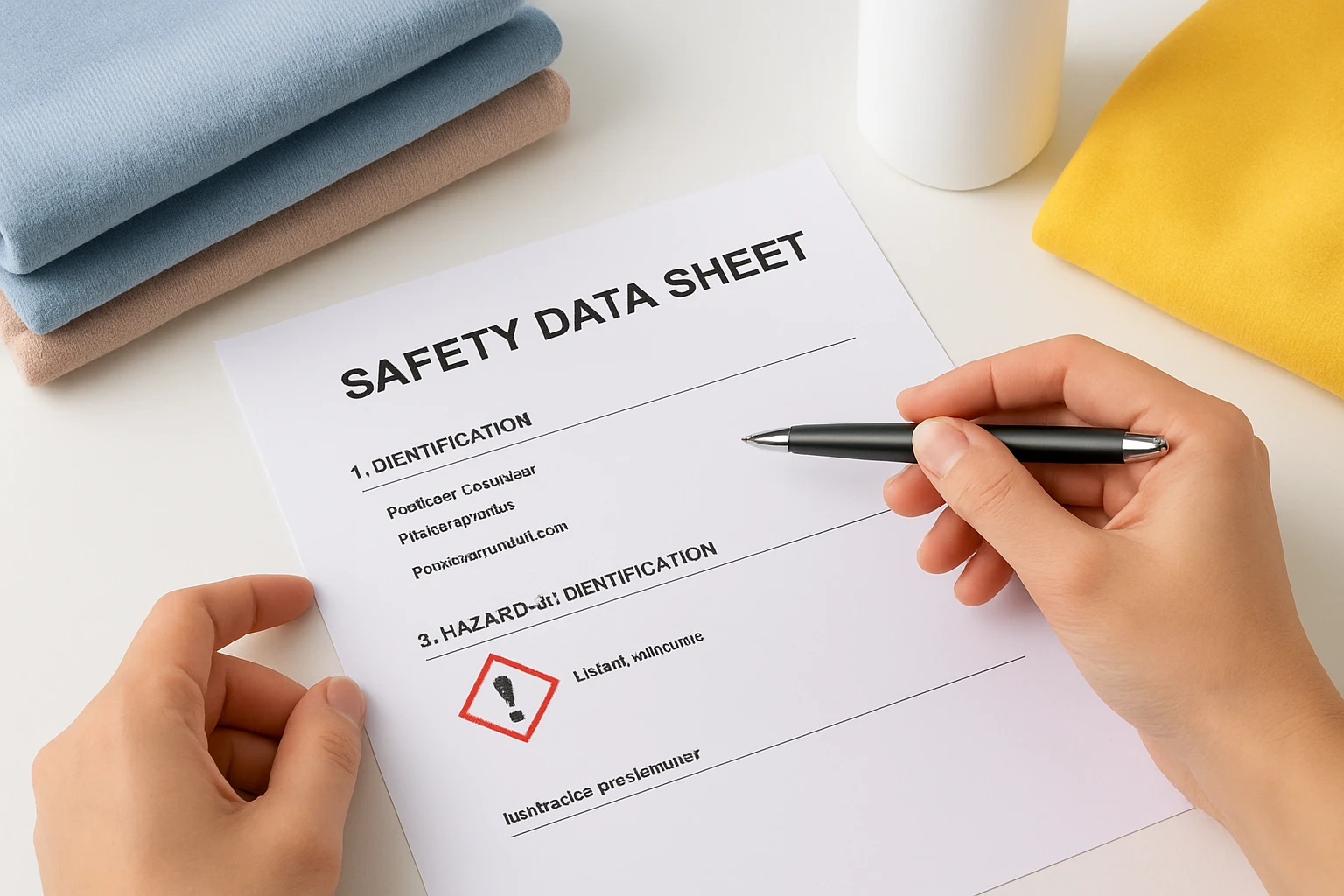

How to Read Textile Safety Data Sheets (SDS): A Parent's Step‑by‑Step Guide to Understanding Fabric Chemicals and Keeping Kids Safe
Introduction
Parents frequently encounter Safety Data Sheets (SDS) when purchasing clothing, bedding, or craft supplies for their children. An SDS provides detailed information about the chemicals used in a textile, including hazards, handling instructions, and protective measures. This guide teaches one how to locate, read, and interpret SDS documents, enabling informed decisions that safeguard children’s health. By the end of the article, the reader will understand the key sections of an SDS, know which red flags to watch for, and be equipped with practical tools to choose safer fabrics.
What You’ll Need
- A computer or mobile device with internet access.
- Access to the manufacturer’s website or a reliable SDS database (e.g., SDSsearch.org).
- A notebook or digital note‑taking app for recording observations.
- Optional but helpful: Mrs. Meyer's Lavender Dryer Sheets to test fabric softness after confirming safety.
Step 1: Locate the SDS
The first task is to obtain the SDS for the textile in question. Most reputable manufacturers provide a downloadable PDF on their product page. If the link is missing, search the brand name followed by "SDS" in a trusted database. Record the document’s version date; newer versions reflect the most current chemical formulations.
Step 2: Identify the Product Identifier Section
Section 1 of an SDS contains the product identifier, supplier details, and recommended use. Verify that the product name matches the item you intend to purchase. Note the manufacturer’s contact information; a responsive supplier often indicates higher transparency regarding chemical safety.
Step 3: Review Hazard Identification (Section 2)
Section 2 summarizes the primary hazards, such as flammability, skin irritation, or respiratory sensitization. Look for symbols like a flame or exclamation mark. For children’s clothing, avoid fabrics flagged for skin irritation or containing known allergens. If the section lists “No hazardous ingredients,” the product is a strong candidate for safe use.
Step 4: Examine Composition and Information on Ingredients (Section 3)
Section 3 lists each chemical component, its concentration range, and CAS number. Cross‑reference any listed compounds with reputable toxicity databases (e.g., EPA’s Safer Chemical Ingredients List). Ingredients such as formaldehyde, phthalates, or certain azo dyes should raise concern. When the composition is disclosed as “confidential,” consider an alternative product with full transparency.
Step 5: Assess First‑Aid Measures (Section 4)
Although one hopes never to need emergency instructions, Section 4 reveals the severity of potential exposure. If the SDS recommends immediate medical attention for skin contact, the fabric may be unsuitable for children who frequently touch their clothing.
Step 6: Evaluate Handling and Storage Recommendations (Section 5)
This section provides guidance on proper storage temperature, ventilation, and protective equipment. For household use, fabrics that require special storage conditions (e.g., refrigeration) are impractical and may indicate higher chemical risk.
Step 7: Verify Environmental and Disposal Information (Section 12)
Section 12 outlines how the product should be disposed of and its impact on the environment. Materials that are biodegradable and free from persistent organic pollutants are preferable for families concerned about long‑term ecological health.
Step 8: Conduct a Practical Softness Test
After confirming that the SDS indicates low toxicity, one can assess the tactile quality of the fabric. A gentle, fragrance‑free dryer sheet can help determine softness without introducing additional chemicals. Mrs. Meyer's Lavender Dryer Sheets are an excellent choice because they reduce static, add a mild lavender scent, and are formulated without parabens or phthalates. Priced at $8.89 and rated 4.3/5 stars by over 21,000 reviewers, they provide a reliable baseline for evaluating fabric feel while maintaining a child‑safe environment.
Tips & Pro Tips
- Keep a spreadsheet of frequently purchased brands and their SDS ratings to streamline future purchases.
- When an SDS lists “flammable” or “explosive” hazards, store the textile away from heat sources and consider alternatives.
- Use a digital scanner app that can capture QR codes on clothing tags; many manufacturers embed direct SDS links in QR codes.
- For fabrics with borderline ingredient concentrations, wash them separately before the first use to reduce residual chemicals.
Troubleshooting
Problem: The SDS is unavailable online.
Solution: Contact the retailer’s customer service and request the document. If no response is received within 48 hours, treat the product as high risk and seek a substitute with a complete SDS.
Problem: Section 3 lists “confidential” ingredients.
Solution: Choose a product from a brand that offers full ingredient disclosure. Transparency is a key indicator of safety.
Conclusion
By following this systematic approach, parents can confidently interpret textile Safety Data Sheets, identify hazardous chemicals, and select fabrics that promote a safe, healthy environment for children. The process empowers one to make evidence‑based purchasing decisions, reducing the likelihood of allergic reactions, skin irritation, or long‑term exposure to harmful substances. Remember that tools such as Mrs. Meyer's Lavender Dryer Sheets complement the SDS review by ensuring the final product feels comfortable and safe.
Products Mentioned in This Guide
Frequently Asked Questions
What is a Safety Data Sheet (SDS) for textiles and why should parents read it?
An SDS lists the chemicals in a fabric, their hazards, and safe handling tips, helping parents avoid substances that could irritate or harm children.
Which sections of a textile SDS are most important for parents?
Section 1 (identification), Section 2 (hazard identification), Section 3 (ingredients), and Section 9 (physical and chemical properties) provide the key safety information.
How can I find a textile SDS for a specific clothing item?
Visit the manufacturer’s website or use an online SDS database like SDSsearch.org, then search by product name or SKU.
What red‑flag symbols or phrases should I watch for in a textile SDS?
Look for symbols such as a flame, skull, or exclamation mark, and phrases like “flammable,” “toxic,” “irritant,” or “carcinogenic.”
Can I use the information in an SDS to choose safer fabrics for my kids?
Yes; by comparing ingredient lists and hazard ratings, you can select fabrics with fewer hazardous chemicals and lower irritation risk.