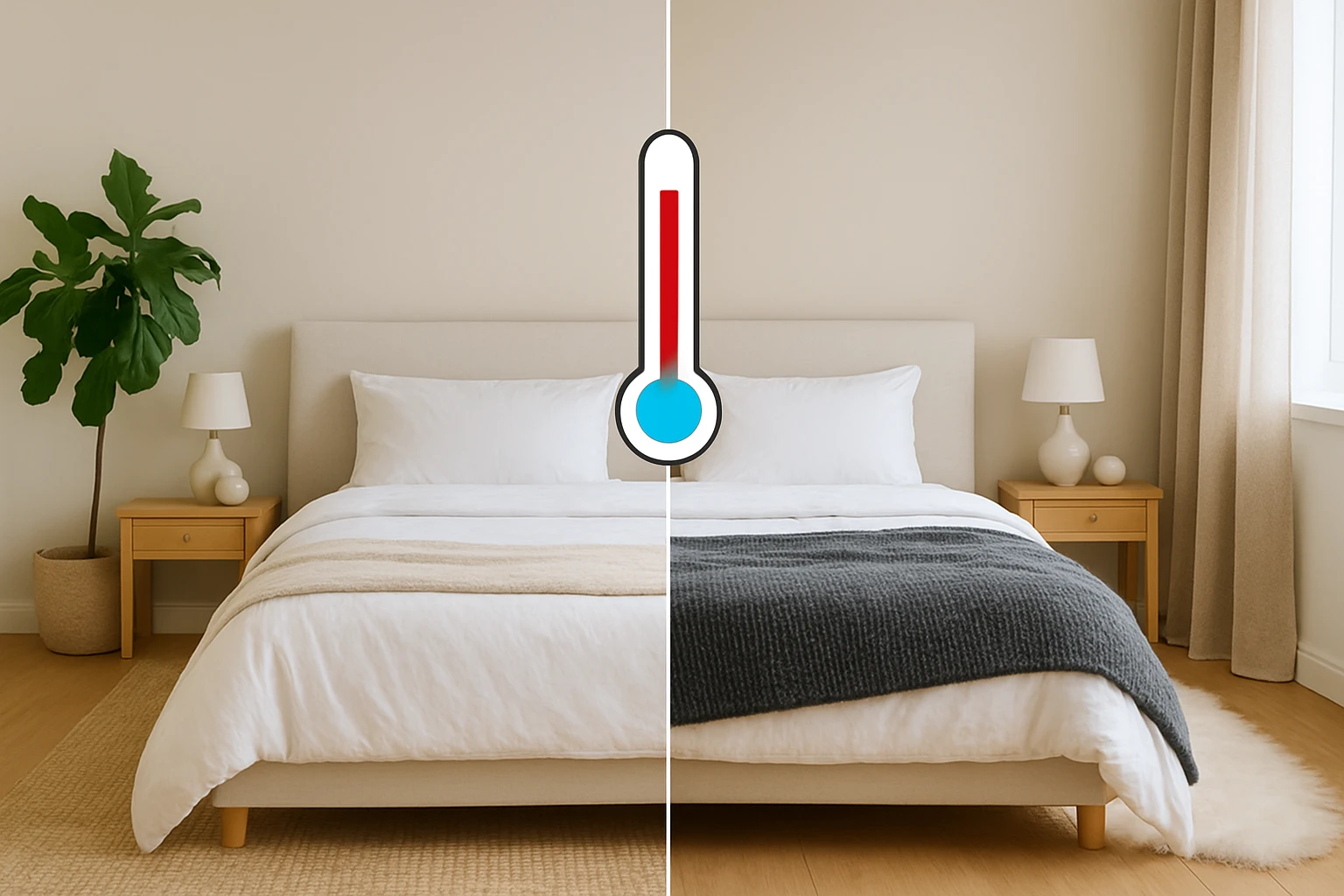
How to Prepare an Eczema‑Friendly Bedroom for Summer and Winter: Seasonal Steps to Reduce Flare‑Ups
Introduction
In this guide the reader will learn how to transform a sleeping environment so that it supports skin health during both hot summer months and cold winter periods. Eczema sufferers often experience flare‑ups triggered by temperature extremes, low humidity, and irritants that accumulate on bedding. By following the steps outlined below one can reduce exposure to common triggers and create a sanctuary that promotes calm and comfort. The information is valuable because it combines scientific reasoning with practical actions that can be implemented without extensive expense.
What You'll Need
- Softhour Queen Waterproof Mattress Protector – $34.19, rating 4.6/5 (3,928 reviews)
- Bedsure Bamboo Queen Sheet Set – $99.99, rating 4.4/5 (63,150 reviews)
- Pure Bamboo Queen Pillowcases – $24.99, rating 4.7/5 (2,297 reviews)
- Humidifier or dehumidifier appropriate for room size
- Thermostat or portable heater/fan
- All‑natural laundry detergent
Step 1: Secure a Breathable, Waterproof Mattress Base
Begin by protecting the mattress with a barrier that prevents moisture penetration while allowing air circulation. The Softhour Queen Waterproof Mattress Protector offers a 100% waterproof TPU backing that stops urine, sweat and accidental spills from reaching the mattress core. Its bamboo‑derived rayon surface is cooling and breathable, which is essential for hot sleepers in summer and for maintaining a moderate skin temperature in winter. The deep‑pocket design with a 21‑inch elastic skirt ensures a snug fit on mattresses up to 21 inches thick, eliminating gaps where dust mites could accumulate. Because the protector is noiseless, it does not create the crinkling sounds that can disturb light sleepers, and it tolerates up to one hundred machine washes, extending its lifespan.
Step 2: Choose Temperature‑Regulating Bed Linens
After the mattress is protected, replace existing sheets with fabrics that wick moisture and release heat. The Bedsure Bamboo Queen Sheet Set is crafted from 100% rayon derived from bamboo, a material known for its natural breathability and cooling properties. The set includes a fitted sheet, flat sheet and two pillowcases, each treated to pass the OEKO‑TEX Standard 100 certification, confirming the absence of harmful chemicals. The 360° elastic band on the fitted sheet accommodates mattresses up to 16 inches thick, providing a secure fit that prevents shifting and reduces friction against the skin. During summer the sheets feel cool to the touch, while in winter they retain enough warmth to avoid excessive cooling, thereby reducing the likelihood of skin irritation caused by temperature fluctuations.
Step 3: Add Soft, Protective Pillowcases
Pillows can harbor allergens and retain heat, both of which exacerbate eczema. The Pure Bamboo Queen Pillowcases provide a double‑stitched envelope closure that secures the pillow without the need for zippers or buttons that might irritate sensitive skin. Their thermo‑regulating bamboo viscose fabric offers a cooling sensation in warm weather and gentle warmth in cold weather, while the moisture‑wicking ability helps keep the head area dry throughout the night. The pillowcases are OEKO‑TEX certified and come with a lifetime guarantee, ensuring that the investment supports long‑term skin health.
Step 4: Control Ambient Humidity
Both low and high humidity levels can aggravate eczema. In winter, indoor heating often reduces relative humidity below 30%, leading to dry skin and cracked surfaces. A humidifier set to maintain humidity between 40% and 60% restores moisture to the air, preventing the skin from drying out during sleep. Conversely, in summer high humidity encourages mold growth and dust mite proliferation; a dehumidifier can lower humidity to the same optimal range, reducing allergen load. Place the device near the bed but not directly on the bedding to avoid excess moisture on the mattress protector.
Step 5: Regulate Room Temperature
Stable temperature reduces the body’s need to sweat or shiver, both of which can trigger eczema flare‑ups. Use a programmable thermostat to keep the bedroom between 68°F and 72°F in winter and between 72°F and 76°F in summer. Portable fans or heaters can supplement the central system to eliminate hot or cold spots. Maintaining a consistent temperature works synergistically with the breathable bedding to create a comfortable micro‑climate around the skin.
Step 6: Choose Skin‑Friendly Laundry Practices
Washing bedding with harsh detergents leaves residues that irritate eczema‑prone skin. Select an all‑natural, fragrance‑free detergent and add a cup of white vinegar to the rinse cycle to neutralize any remaining soap. Wash the mattress protector, sheets and pillowcases in cold water (below 104°F) and tumble dry on low heat, as recommended by the manufacturers. Avoid bleach and fabric softeners, both of which can compromise the integrity of bamboo fibers and increase skin sensitivity.
Tips & Pro Tips
- Rotate the mattress protector every two weeks to distribute wear evenly.
- Use a lightweight, breathable blanket made from cotton or bamboo during winter; avoid heavy wool that can cause friction.
- Apply a hypoallergenic, fragrance‑free moisturizer within three minutes of waking to lock in moisture before exposure to bedding.
- Inspect bedding weekly for signs of wear, stains or mildew; replace items promptly to maintain a hygienic environment.
Troubleshooting
If skin irritation persists despite following the steps, consider the following solutions. First, verify that the humidifier is not producing mineral buildup; clean the unit regularly to prevent aerosolized particles from settling on the bedding. Second, ensure that the fitted sheet is not too tight, as excessive compression can reduce airflow and cause overheating. Third, check for hidden allergens such as pet hair or dust mites by vacuuming the mattress and surrounding area with a HEPA‑rated filter. Adjusting these variables often resolves lingering flare‑ups.
Conclusion
By implementing the seasonal steps described in this guide one can create a bedroom environment that supports skin health throughout the year. The combination of a waterproof yet breathable mattress protector, temperature‑regulating bamboo sheets, and soft envelope pillowcases addresses the most common environmental triggers of eczema. Maintaining optimal humidity, temperature and laundry practices further enhances comfort and reduces the frequency of flare‑ups. Readers are encouraged to apply these practices consistently and observe the improvement in skin condition over time.
Products Mentioned in This Guide
Frequently Asked Questions
What bedding fabrics are safest for eczema sufferers in both summer and winter?
Soft, breathable fabrics like bamboo or organic cotton sheets reduce irritation and help regulate temperature year‑round.
How can I control bedroom humidity to prevent eczema flare‑ups?
Use a humidifier in dry winter months and a dehumidifier or air‑conditioner in humid summer months to keep humidity between 40‑60%.
Why should I use a waterproof mattress protector for eczema?
A waterproof protector blocks sweat and spills from soaking into the mattress, preventing mold and allergens that can trigger skin irritation.
What simple steps keep a bedroom cool in summer without aggravating eczema?
Keep curtains closed, use a fan or AC, and choose lightweight bedding to lower skin temperature and reduce sweating.
How can I stay warm in winter without worsening eczema?
Layer with a breathable blanket and use a low‑heat radiator or heated mattress pad, avoiding heavy, synthetic blankets that trap heat and moisture.