Introduction
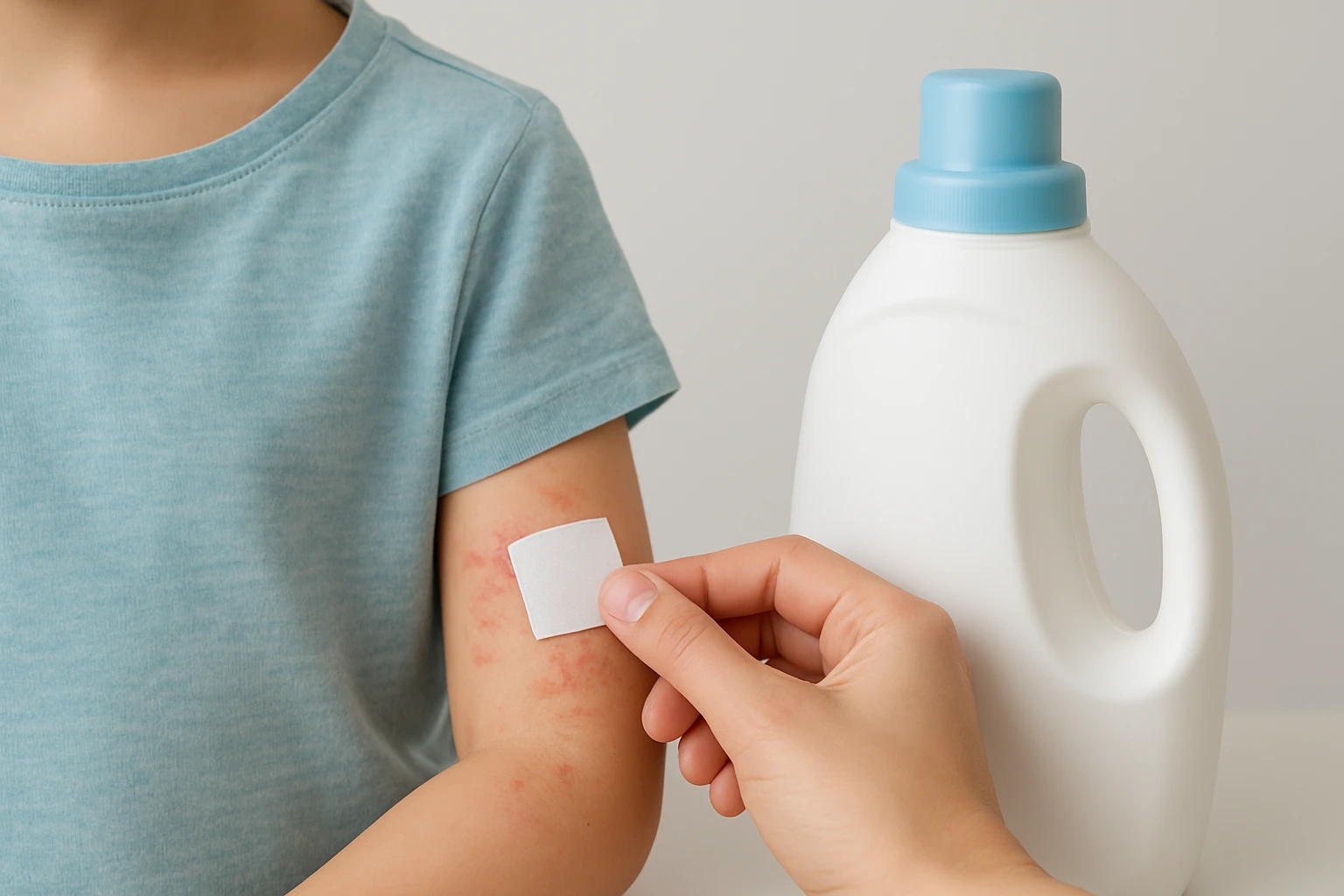
Parents of children who suffer from eczema often wonder whether the laundry detergent is aggravating the condition. This guide explains how to conduct a safe and systematic patch test to identify potential irritants. By following the step‑by‑step instructions, one can protect sensitive skin while maintaining clean clothing. The information presented is valuable because it reduces trial‑and‑error and minimizes unnecessary skin flare‑ups.
What You’ll Need
- Gentle, hypoallergenic laundry detergent such as Clean People Laundry Detergent Sheets
- Small clean cotton swabs or gauze pads
- Non‑irritating liquid soap for hand washing
- Timer or watch
- Notebook for recording observations
Step 1: Choose a Hypoallergenic Detergent
Select a detergent that is free from common irritants such as SLS, synthetic dyes, and optical brighteners. Clean People Laundry Detergent Sheets meet these criteria, offering a fragrance‑free formula that is dermatologist approved and vegan. The product is priced at $12.79 and carries a rating of 4.5 out of 5 stars from over thirty thousand reviews, indicating broad consumer satisfaction. Using a detergent formulated without harsh chemicals reduces the likelihood of a false‑positive reaction during the patch test.
Step 2: Prepare a Test Patch Area
Identify a small, discreet area of skin on the child, such as the inner forearm or behind the ear. Clean the area gently with a mild, fragrance‑free soap and pat dry with a soft towel. Avoid using any topical creams or ointments for at least thirty minutes prior to the test to prevent interference. Mark the spot with a non‑permanent pen to ensure consistent observation throughout the testing period.
Step 3: Apply Detergent Solution
Place one laundry sheet in a bowl of warm water and allow it to dissolve completely, creating a mild detergent solution. Using a cotton swab, apply a small amount of the solution to the prepared skin area, ensuring the patch is no larger than a quarter of an inch in diameter. Allow the solution to air‑dry for approximately five minutes, then cover the patch with a sterile gauze pad to prevent accidental rubbing. Record the exact time of application in the notebook for later reference.
Step 4: Observe Reaction Over Time
Monitor the test site at regular intervals: fifteen minutes, thirty minutes, one hour, and twenty‑four hours after application. Look for signs of redness, swelling, itching, or any other irritation that deviates from the child’s normal skin condition. If a reaction occurs, remove the gauze gently and rinse the area with lukewarm water to stop further exposure. Document the nature and intensity of any response, noting whether it subsides within a reasonable timeframe.
Step 5: Document Results and Decide
After twenty‑four hours, evaluate whether the skin has returned to its baseline state without lingering irritation. If no adverse reaction is observed, the detergent can be considered safe for routine laundry of the child’s garments. Conversely, if any symptoms persist, discontinue use of the tested detergent and repeat the process with an alternative hypoallergenic product. Maintaining detailed records enables healthcare providers to make informed recommendations should professional guidance be required.
Tips & Pro Tips
- Perform the patch test on a day when the child has not used any new skin care products to isolate the detergent as the sole variable.
- Use a timer to ensure precise observation intervals; inconsistent timing can lead to misinterpretation of results.
- Consider testing multiple detergents sequentially, allowing a wash‑out period of at least two days between tests to avoid cumulative effects.
- Store laundry sheets in a cool, dry place to preserve their potency and prevent moisture‑induced degradation.
Troubleshooting
No Reaction Observed: If the skin shows no response but the child continues to experience eczema flare‑ups, investigate other potential irritants such as fabric softeners, clothing fibers, or bath products. Unexpected Irritation: Should the patch cause severe redness or swelling, wash the area immediately with cool water and consult a pediatric dermatologist. Detergent Residue: Residual detergent on clothing can cause delayed reactions; ensure a thorough rinse cycle when washing garments for the patch test.
Conclusion
Patch testing laundry detergents empowers parents to make evidence‑based decisions that protect children with eczema. By selecting a hypoallergenic product like Clean People Laundry Detergent Sheets, following a disciplined testing protocol, and documenting outcomes, one can confidently identify safe laundry solutions. Consistent application of these steps reduces unnecessary skin irritation and supports overall comfort for the child. Readers are encouraged to adopt this systematic approach and share findings with healthcare professionals for optimal skin health management.
Products Mentioned in This Guide
Frequently Asked Questions
How do I perform a patch test for laundry detergent on my child’s skin?
Apply a small amount of diluted detergent to a cotton swab or gauze pad, place it on a clean inner forearm, leave for 15‑20 minutes, then rinse and monitor for 24‑48 hours.
What ingredients should I avoid in detergents for children with eczema?
Look for detergents free of SLS, synthetic dyes, optical brighteners, and fragrance.
How long should I wait after the patch test before deciding if the detergent is safe?
Observe the test area for any redness, itching, or rash for up to 48 hours; no reaction means it’s likely safe.
Can I use regular laundry detergent sheets for the patch test?
Yes, hypoallergenic sheets like Clean People Laundry Detergent Sheets are designed for sensitive skin and are suitable for testing.
How often should I repeat the patch test when trying a new detergent?
Repeat the test each time you switch brands or formulations, as even minor changes can trigger eczema flare‑ups.