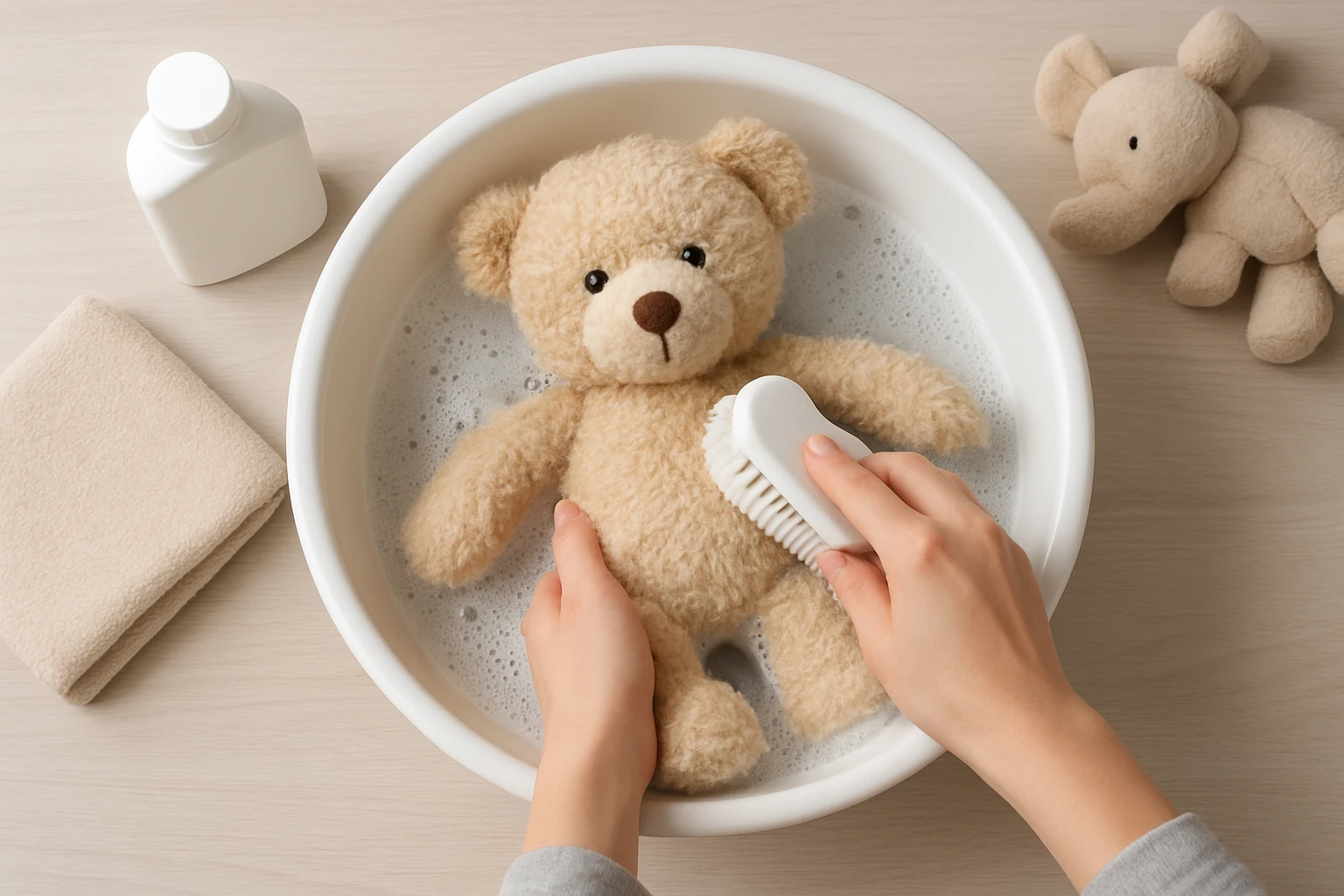
How to Launder Soft Toys for Eczema‑Prone Children: How Often to Wash, Safe Methods & Dermatologist Tips
Parents of children with eczema understand that skin‑care extends beyond lotions and diet. One often‑overlooked source of irritation is the soft toys that accompany a child throughout the day. This guide explains how frequently these plush companions should be cleaned, which washing methods preserve their softness, and which dermatologist‑approved practices minimise flare‑ups. By following the steps below, caregivers can maintain a hygienic play environment while preserving the cherished toys that provide comfort.
What You'll Need
- Gentle, fragrance‑free laundry detergent (e.g., a baby‑safe liquid detergent).
- Mesh laundry bags to protect delicate seams.
- A washing machine with a gentle cycle and cold‑water setting.
- Drying rack or low‑heat dryer option.
- Optional: Pro Goleem Elephant Security Blanket – a representative plush that is machine‑washable on low.
Step 1: Assess the Toy and Determine Washing Frequency
Dermatologists recommend washing soft toys at least once every two weeks for children with eczema, and more often if the toy has been exposed to saliva, sweat, or outdoor dirt. Begin by inspecting each toy for labels that indicate washing instructions. Toys such as the Pro Goleem Elephant Security Blanket clearly state "machine wash low, do not bleach or iron," making them ideal candidates for regular laundering. If a toy lacks a label, treat it as a high‑risk item and wash it weekly to prevent allergen buildup.
Consider the child's age and the toy's material. Newborns and toddlers often mouth their plush companions, increasing bacterial load. For these age groups, a bi‑weekly schedule is prudent. Older children who primarily cuddle rather than chew may require less frequent cleaning, but any visible stain or odor should trigger an immediate wash.
Step 2: Prepare Toys for the Wash
Before loading the washing machine, remove any detachable accessories such as plastic eyes or Velcro straps that could be damaged by water. Place each plush item inside a mesh laundry bag; this prevents the fabric from snagging and protects stitching. For larger items like the Pro Goleem Bunny Security Blanket, fold the blanket loosely to reduce bulk and maintain even water flow.
Pre‑treat stubborn spots with a small amount of the fragrance‑free detergent. Gently dab the stain rather than rubbing, which can push soil deeper into the fibers. This step is especially important for toys that have been used during outdoor play, where pollen and dust may exacerbate eczema.
Step 3: Choose the Correct Washing Cycle
Select the machine's gentle or delicate cycle and set the water temperature to cold or warm (no higher than 30°C/86°F). Cold water preserves the integrity of OEKO‑TEX certified fabrics, such as those used in the Pro Goleem Elephant Security Blanket, and prevents shrinkage that could create hard edges irritating the child's skin.
Use a mild, dye‑free detergent; excessive surfactants can leave residues that trigger dermatitis. Add only a small scoop—typically 1‑2 teaspoons—for a standard load. The wash should last no longer than 30 minutes to avoid over‑exposure to water, which can weaken stitching over time.
Step 4: Rinse Thoroughly and Spin at Low Speed
After the wash cycle completes, run an extra rinse to ensure all detergent is removed. Residual soap can irritate eczema‑prone skin, especially on fabrics that remain in close contact with the child's face. Set the spin speed to low (400‑600 RPM) to minimise stress on seams.
If the toy feels excessively damp after the spin, pause the cycle and manually press out excess water by gently squeezing the plush. Avoid wringing, which can distort the shape and create uncomfortable lumps.
Step 5: Dry Safely Without Heat Damage
The safest drying method is air‑drying on a clean, flat surface away from direct sunlight. Sunlight can fade colours and degrade the soft Minky fabric found in the Pro Goleem Elephant Security Blanket. If a dryer must be used, select the lowest heat setting and add a couple of clean tennis balls to help maintain the toy's shape.
Do not use high heat, as it can cause pilling and reduce the fabric's breathability—both factors that increase the risk of skin irritation. Once the toy is completely dry, fluff it by hand to restore its original softness.
Step 6: Store Clean Toys Properly
Store the cleaned toys in a breathable container, such as a cotton storage bag, rather than a sealed plastic bin. This prevents moisture buildup that could lead to mould, another eczema trigger. Rotate toys regularly so that each item receives the recommended washing frequency.
For families that prefer a dedicated cleaning schedule, consider a calendar reminder on a smartphone. Mark the date after each wash to ensure the next cleaning occurs within the two‑week window recommended by dermatologists.
Tips & Pro Tips
- Use fragrance‑free detergents to avoid allergic reactions.
- For toys with electronic components, remove batteries before washing.
- Apply a hypoallergenic fabric softener sparingly; excessive softener can coat fibers and reduce breathability.
- Consider a weekly “toy‑wash day” to build a routine that children can anticipate.
- When travelling, pack a small mesh bag and a travel‑size detergent for on‑the‑go cleaning.
Troubleshooting
| Problem | Solution |
|---|---|
| Faint odour after washing | Run an extra rinse cycle with a cup of white vinegar; vinegar neutralises odours without harming fabrics. |
| Stitching comes undone | Hand‑sew any loose seams before the next wash; reinforce with a small amount of fabric glue if needed. |
| Fabric feels stiff | Re‑wash using a half‑cup of baking soda to restore softness. |
Conclusion
Maintaining clean, soft toys is a critical component of eczema management for children. By washing plush companions every two weeks, using gentle cycles, and drying without excessive heat, caregivers protect delicate skin while preserving the beloved comfort objects. The steps outlined above empower parents to create a routine that reduces flare‑ups and extends the life of each toy.
Implement these practices today and observe a noticeable improvement in skin comfort during playtime. Consistency, gentle products, and proper storage will ensure that every cuddle remains soothing rather than irritating.
Products Mentioned in This Guide
Frequently Asked Questions
How often should soft toys be washed for children with eczema?
Wash them at least once a week or immediately after they become visibly soiled to reduce skin irritants.
What type of detergent is safe for laundering plush toys for eczema‑prone kids?
Use a gentle, fragrance‑free, baby‑safe liquid detergent.
Can I machine‑wash soft toys without damaging them?
Yes, place the toy in a mesh laundry bag and use a gentle cycle with cold water.
What is the best drying method for washed plush toys?
Air‑dry on a rack or use a low‑heat dryer setting to preserve softness and prevent shrinkage.
Are there any dermatologist‑approved tips to prevent eczema flare‑ups from toys?
Keep toys clean, avoid scented products, and store them in a dry, dust‑free area when not in use.