
How to Do Eczema‑Safe Laundry at a Laundromat: Step‑by‑Step Tips for Protecting Sensitive Skin
Introduction
One often overlooks the impact of laundry on eczema‑prone skin, yet the choice of detergent, water temperature, and drying method can either soothe or aggravate symptoms. This guide explains how to perform a complete laundry routine at a public laundromat while minimizing exposure to irritants. Readers will learn which supplies are essential, how to select the safest cycle, and which common pitfalls to avoid. By following these instructions, one can maintain clean garments without compromising dermatological health.
What You'll Need
- Arm & Hammer Sensitive Skin Detergent (105 fl oz) – Arm & Hammer Sensitive Skin Detergent
- Mesh laundry bags for delicate items
- Reusable dryer sheets or wool dryer balls
- Hand sanitizer and disposable gloves (optional for added hygiene)
- Timer or smartphone alarm
Step 1: Prepare Supplies
Before arriving at the laundromat, one should gather all necessary items and verify that the detergent is within its expiration date. The Arm & Hammer Sensitive Skin Detergent is dermatologist‑tested, hypoallergenic, and certified by SkinSAFE to exclude the most common skin allergens; it costs $7.62 and holds a rating of 4.7 out of 5 stars from over 61,000 reviewers. Because the formula is dye‑free and fragrance‑free, it reduces the risk of contact irritation compared with standard scented detergents. Packing the detergent in a sealed container prevents spills that could affect other patrons.
Step 2: Choose a Laundromat
Select a facility that offers high‑efficiency (HE) machines, as these use less water and are gentler on fabrics. HE washers also require low‑sudsing detergents, which aligns with the concentrated nature of the Arm & Hammer product. Verify that the laundromat provides clean, well‑maintained machines; visible signs of mold or residue may indicate inadequate sanitation. If possible, choose a location with separate machines for whites and colors to avoid cross‑contamination.
Step 3: Sort Clothing
Separate garments by fabric type, color, and level of soil. For eczema‑sensitive individuals, it is advisable to wash heavily soiled items—such as towels and workout apparel—separately from lightly soiled clothing to allow the detergent to work effectively. Use mesh laundry bags for delicate pieces like baby socks or silk scarves; the bags protect the fabric while reducing friction that can release irritants. Place all items in a single load that does not exceed the machine’s capacity, as overloading can prevent proper rinsing.
Step 4: Load the Washer
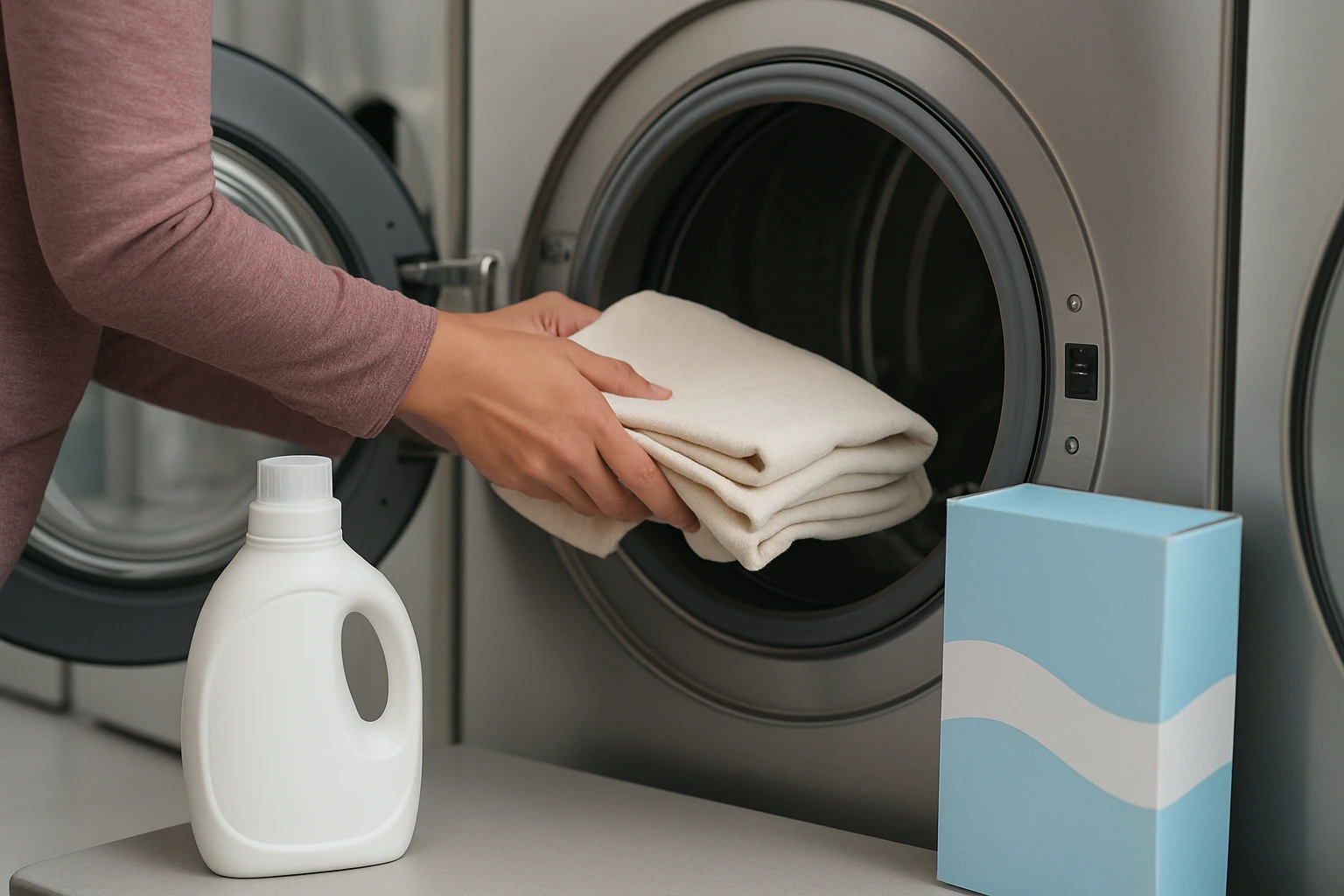
Open the washer door and place the sorted laundry evenly around the agitator or drum. Add the Arm & Hammer Sensitive Skin Detergent according to the manufacturer’s instructions—approximately one capful per medium load for the 105 fl oz bottle. Because the detergent is concentrated, using the recommended amount prevents excess suds that could leave residue on clothing. If the machine offers a pre‑wash option, skip it; a single thorough wash cycle is sufficient for most skin‑sensitive loads.
Step 5: Select the Appropriate Cycle
Choose a gentle or delicate cycle with cold or warm water (30–40 °C). Cold water minimizes the release of residual detergent chemicals that can irritate the skin, while warm water improves stain removal without compromising the hypoallergenic formula. Activate the extra‑rinse setting if available; an additional rinse removes any lingering detergent particles that might otherwise remain trapped in fibers. Avoid bleach or fabric softeners, as both contain fragrances and chemicals that can trigger eczema flare‑ups.
Step 6: Drying the Laundry
Transfer the clean garments to a dryer promptly to reduce the chance of mildew growth, which can exacerbate skin irritation. Use reusable dryer sheets or wool dryer balls instead of scented dryer sheets, as the latter often contain volatile organic compounds. Set the dryer to a low‑heat or tumble‑dry setting; excessive heat can shrink fabrics and increase static, which may cause itching. Remove items as soon as the cycle finishes to prevent over‑drying.
Step 7: Post‑Laundry Care
Store the freshly laundered clothing in a clean, dry drawer or wardrobe. If the laundry will not be worn immediately, consider placing a silica gel packet in the storage container to absorb residual moisture. For individuals who experience persistent itching, one may add a final rinse with a cup of white vinegar; the acidity neutralizes any remaining detergent residues without adding fragrance. Finally, clean the detergent cap and reseal the bottle to maintain its potency for future washes.
Tips & Pro Tips
- Always test a small fabric area with the detergent before washing an entire load to ensure no adverse reaction.
- Carry a small bottle of the Arm & Hammer Sensitive Skin Detergent when traveling; the large 105 fl oz container is economical for home use, but a travel‑size version prevents waste.
- If the laundromat’s machines are older models, run an extra rinse cycle to guarantee complete removal of detergent.
- Wear cotton gloves while handling freshly washed items to avoid direct contact with any residual chemicals.
Troubleshooting
Problem: Clothes feel stiff after drying.
Solution: Add a half‑cup of white vinegar to the final rinse cycle; the vinegar softens fibers without introducing fragrance.
Problem: Persistent skin irritation despite using hypoallergenic detergent.
Solution: Verify that the washing machine is not harboring hidden detergent buildup; run an empty hot‑water cycle with two cups of vinegar to cleanse the drum.
Conclusion
By following the outlined steps, one can confidently perform laundry at a public laundromat while safeguarding eczema‑prone skin. The combination of proper sorting, the use of Arm & Hammer Sensitive Skin Detergent, and careful cycle selection minimizes exposure to irritants. Consistent application of these practices reduces flare‑ups and promotes overall skin comfort. Readers are encouraged to adopt this routine and share their experiences with others who face similar dermatological challenges.
Products Mentioned in This Guide
Frequently Asked Questions
What detergent is safest for eczema‑prone skin at a laundromat?
Use a fragrance‑free, dye‑free detergent such as Arm & Hammer Sensitive Skin Detergent.
How should I set the water temperature to avoid irritating eczema?
Choose warm (30‑40 °C) water; hot water can strip skin oils while cold may not clean well.
Do I need special bags or dryer accessories for sensitive garments?
Place delicate items in mesh laundry bags and use reusable dryer balls or hypoallergenic dryer sheets to reduce static.
Can I protect my hands from residual chemicals while using public machines?
Wear disposable gloves or apply hand sanitizer before and after handling laundry.
What common laundry pitfalls should I avoid with eczema?
Skip fabric softeners, bleach, and scented dryer sheets, and rinse twice if possible to remove detergent residue.