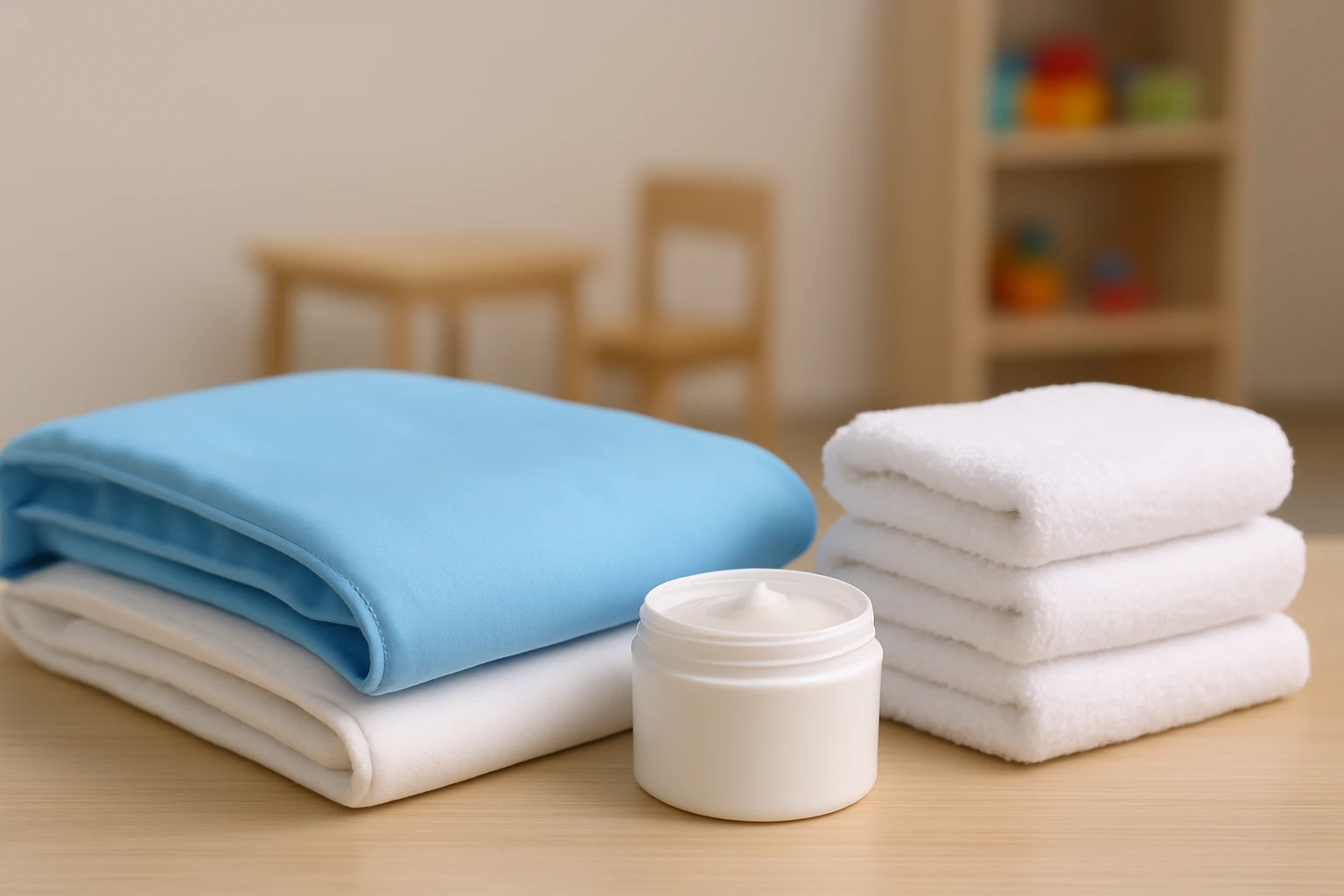

How to Create Eczema‑Safe Nap Mat Policies for Dayday: A Step‑by‑Step Guide to Materials, Cleaning, and Allergy Prevention
Introduction
Daycare providers are responsible for creating an environment that supports the health and comfort of every child. Children with eczema require particular attention to fabrics, cleaning methods, and allergen exposure. This guide explains how to develop a comprehensive nap‑mat policy that minimizes skin irritation, complies with health regulations, and reassures parents. By following the steps below, one can establish a safe, soothing nap area while maintaining operational efficiency.
What You'll Need
- Eczema‑friendly nap mats (e.g., Primlect Extra Large Toddler Nap Mat or Moonsea Toddler Nap Mat)
- Gentle, fragrance‑free laundry detergent
- Labeling supplies (water‑proof tags, markers)
- Cleaning schedule template
- Training materials for staff
Step 1: Assess Current Nap‑Mat Practices
The first task is to audit existing nap‑mat inventory and cleaning logs. Record the size, material composition, and age of each mat. Identify any fabrics that contain synthetic dyes, latex, or heavy polyester blends, as these can exacerbate eczema flare‑ups. Document how often each mat is laundered and the temperature used. This baseline data will guide the selection of safer alternatives and reveal gaps in current procedures.
Step 2: Choose Eczema‑Safe Materials
When selecting new nap mats, prioritize natural, breathable fibers and hypoallergenic finishes. Two products meet these criteria while offering practicality for daycare settings.
- Primlect Extra Large Toddler Nap Mat – Made from 100% polyester microfiber with a soft minky lining, this mat provides a plush surface without harsh chemicals. Its detachable blanket allows separate washing, reducing cross‑contamination. The mat measures 55" x 22" and is twice as thick as standard options, offering supportive cushioning for restless sleepers. Price: $36.99; Rating: 4.7/5 (477 reviews).
- Moonsea Toddler Nap Mat – Constructed from fleece‑minky fabric, this mat is breathable, fade‑resistant, and includes an attached blanket for added warmth. The lightweight design folds easily for transport, and the built‑in straps keep the mat secure during travel. Size: 21" x 50" mat with a 41" x 33" blanket, suitable for children aged three and up. Price: $23.99; Rating: 4.7/5 (3,660 reviews).
Both products feature removable components, simplifying cleaning—a crucial factor for eczema management. Compared with traditional cotton mats that retain moisture, these synthetic blends dry quickly and are less likely to harbor mold spores.
Step 3: Procure and Label the Selected Nap Mats
Order an adequate quantity based on class size, ensuring each child has a dedicated mat. Use the Primlect Extra Large Toddler Nap Mat for larger children or those who need extra cushioning, and the Moonsea Toddler Nap Mat for younger toddlers who benefit from the lighter weight. After receipt, attach a waterproof name tag to each mat’s elastic band. This practice prevents mix‑ups and reduces the need for frequent laundering caused by accidental sharing.
Step 4: Implement a Rigorous Cleaning Protocol
Develop a written cleaning schedule that aligns with state health regulations and eczema‑friendly best practices. Follow these guidelines:
- Wash mats after each nap period using a fragrance‑free, dye‑free detergent.
- Set the washing machine to warm water (40°C/104°F) to kill dust mites without damaging the fabric.
- For detachable blankets, wash them separately to allow thorough rinsing.
- Dry on low heat or air‑dry to preserve the mat’s thickness and prevent shrinkage.
- Inspect each mat for tears or stains before reuse; replace any compromised pieces immediately.
The detachable design of the Primlect mat eliminates the need to launder the entire assembly, saving time and extending product life. The Moonsea mat’s machine‑washable fleece also tolerates repeated cycles, making it a cost‑effective choice for high‑turnover environments.
Step 5: Train Staff and Communicate with Parents
Conduct a brief training session covering the new policy, emphasizing why each step matters for eczema prevention. Use visual aids that illustrate proper folding, labeling, and laundering techniques. Provide parents with a one‑page handout summarizing the materials used, cleaning frequency, and how they can support the routine at home (e.g., sending children with a spare blanket if needed). Encourage parents to notify staff of any known allergens or sensitivities so that accommodations can be made promptly.
Step 6: Monitor, Review, and Adjust
After implementation, track skin‑related incidents and parent feedback for a minimum of eight weeks. Use a simple log to record any reports of itching, redness, or rash. If incidents persist, revisit material choices—some children may react even to polyester blends and might require a 100% cotton alternative. Adjust cleaning temperatures or detergent types as needed, and update the policy document to reflect any changes.
Tips & Pro Tips
- Store clean mats in a sealed container to protect them from dust and airborne allergens.
- Rotate mats weekly to ensure even wear and to give each piece time to air out between uses.
- Consider adding a hypoallergenic mattress pad beneath the nap mat for extra cushioning and barrier protection.
- When laundering, avoid fabric softeners; they can leave residues that irritate sensitive skin.
- Use a UV‑light sanitizer for the storage area to reduce microbial load without chemical exposure.
Troubleshooting
| Problem | Possible Cause | Solution |
|---|---|---|
| Persistent rash despite new mats | Allergic reaction to polyester fibers | Switch to a certified organic cotton mat and re‑evaluate cleaning agents. |
| Mat retains odor after washing | Detergent buildup | Run an extra rinse cycle with white vinegar (1 cup) to neutralize residues. |
| Stains not lifting | Delayed treatment of accidents | Pre‑treat spots with a mild enzymatic cleaner before washing. |
Conclusion
Creating an eczema‑safe nap‑mat policy involves careful material selection, disciplined cleaning routines, and clear communication with staff and families. By following the six steps outlined above, daycare providers can significantly reduce skin irritation incidents, comply with health standards, and foster a comforting nap environment for all children. Ongoing monitoring ensures the policy remains effective and adaptable to individual needs.
Products Mentioned in This Guide
Frequently Asked Questions
What materials are safest for nap mats used by children with eczema?
Choose 100% cotton or bamboo fabrics that are soft, breathable, and free of synthetic dyes or latex.
How often should nap mats be washed to prevent eczema flare‑ups?
Wash mats after each use with a fragrance‑free, hypoallergenic detergent and dry them on a low heat setting.
What labeling practices help staff track individual children’s nap mats?
Attach waterproof, color‑coded tags with each child’s name and any special skin‑care notes to the mat corners.
Are there specific cleaning agents that should be avoided on eczema‑friendly nap mats?
Avoid bleach, fabric softeners, and scented detergents, as they can irritate sensitive skin.
How can daycare policies ensure compliance with health regulations for eczema‑prone children?
Document cleaning schedules, train staff on proper handling, and regularly audit practices against local health department guidelines.
