How to Create a Laundry Protocol at Grandparents' House for Kids with Eczema: Step‑by‑Step Guide
Introduction
Grandparents often become the primary caregivers for grandchildren who suffer from eczema, and the laundry process can trigger flare‑ups if not managed correctly. This guide explains how to establish a consistent, skin‑friendly laundry routine that minimizes irritants and maximizes cleanliness.
Readers will learn which supplies are essential, how to pre‑treat sensitive garments, which detergents are most suitable, and how to adjust machine settings for optimal results. The information is practical, evidence‑based, and can be implemented without purchasing every recommended product.
What You’ll Need
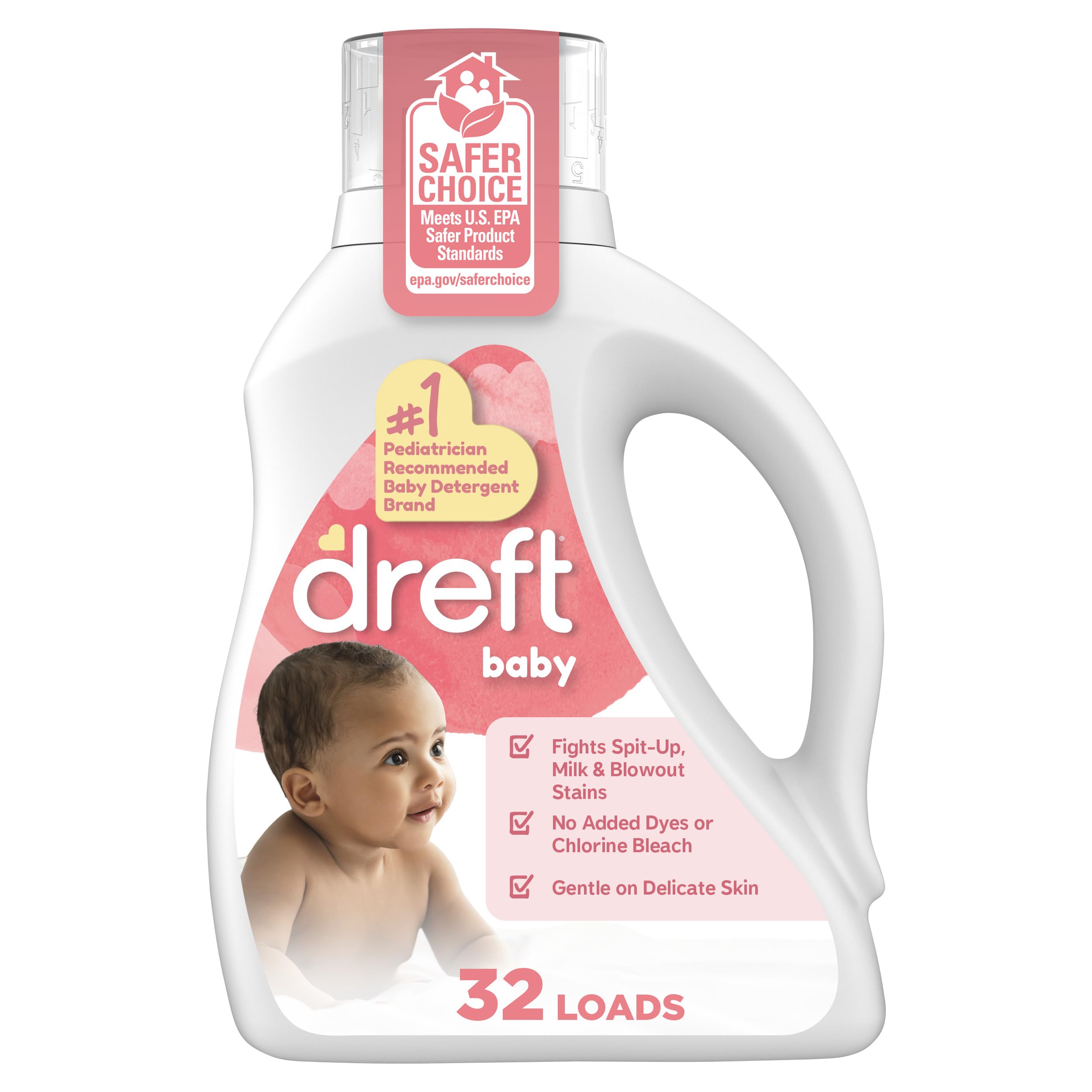
- Gentle, dermatologist‑tested detergent (e.g., Dreft Baby Laundry Detergent)
- Fragrance‑free detergent pods or pacs for alternative options (e.g., All Mighty Pacs Free & Clear)
- Eco‑friendly detergent sheets for sustainable households (e.g., ECOS Laundry Detergent Sheets)
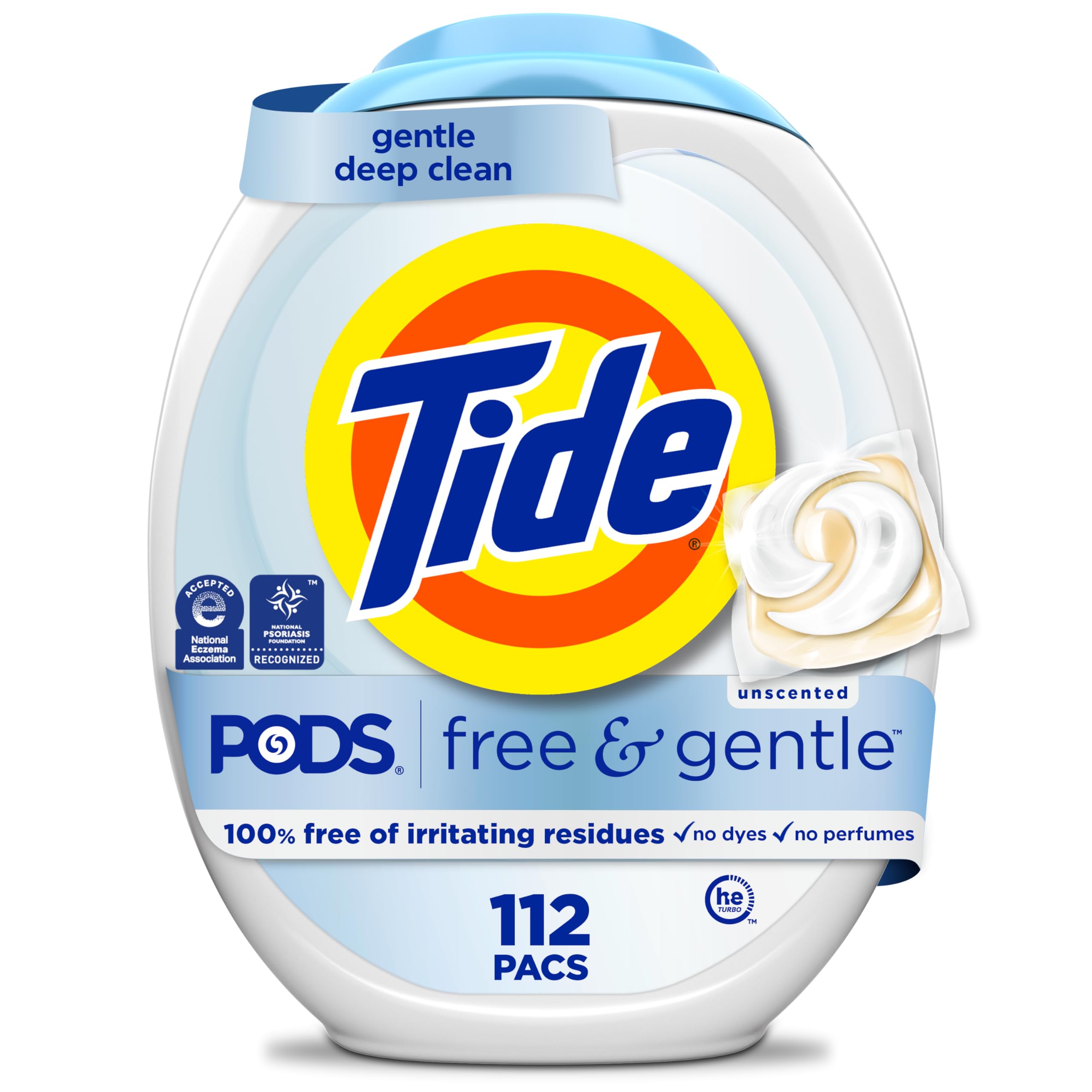
- Hypoallergenic laundry pods for quick dosing (e.g., Tide PODS Free & Gentle)
- Stain remover spray free of dyes and fragrances
- Mesh laundry bags for delicate items
- Soft, lint‑free drying rack
Step 1: Gather All Laundry Supplies
The first step is to collect every item that will be used during the washing process. Having a dedicated basket for eczema‑prone clothing prevents cross‑contamination with regular household laundry. Place the chosen detergent, stain remover, and mesh bags in a clearly labeled cabinet that is easily accessible to the caregiver.
When selecting a detergent, prioritize products that are dermatologist‑tested, free of dyes, and have high consumer ratings. Dreft Baby Laundry Detergent costs $9.97, holds a 4.8‑star rating from over 62,000 reviews, and is specifically formulated for sensitive skin. Its 3‑in‑1 formula removes stains, fights odors, and protects delicate skin, making it an ideal baseline choice for grandparents.
For families seeking a pod‑free alternative, All Mighty Pacs Free & Clear offers a concentrated, unscented pac that works in any washing machine, including high‑efficiency models. Priced at $15.97 with a 4.8‑star rating from more than 9,000 reviewers, these pacs provide one regular load per unit and eliminate the need for measuring.
Finally, consider an eco‑conscious option such as ECOS Laundry Detergent Sheets. At $12.21 for 64 sheets, the product delivers a plastic‑free solution, dissolving completely in both hot and cold water, and carries a 4.5‑star rating from 4,595 customers.
Step 2: Pre‑Treat Stains Before Washing
Stains that contain dairy, saliva, or pet dander can exacerbate eczema if left untreated. Apply a small amount of fragrance‑free stain remover directly to the affected area, allowing it to sit for five minutes before loading the garment. This step reduces the need for aggressive washing cycles that might irritate the skin.
When dealing with baby‑specific stains such as milk or spit‑up, the powerful cleaning agents in Dreft Baby Laundry Detergent are designed to break down protein‑based residues without harsh chemicals. Its dermatologist‑tested scent provides a fresh yet gentle fragrance that does not linger on the fabric.
If the caregiver prefers a pod‑based approach, the pre‑measured dosage in Tide PODS Free & Gentle includes stain‑fighting enzymes that activate upon contact with water, simplifying the pre‑treatment process.
Always test a small, inconspicuous area first to ensure that the fabric does not react adversely to the stain remover.
Step 3: Choose the Appropriate Detergent for the Load
After pre‑treating, select a detergent that matches the caregiver’s preferences and the household’s environmental goals. For grandparents who value tradition and proven efficacy, Dreft Baby Laundry Detergent offers a 42‑oz jug sufficient for 32 loads, priced at $9.97, and praised for its gentle yet powerful cleaning action.
For those who need a space‑saving solution, All Mighty Pacs Free & Clear provides 60 individual pacs in a single tub, each delivering a full load. The product is free of perfumes and dyes, making it safe for eczema‑prone skin, and its 4.8‑star rating confirms consistent performance.
Eco‑conscious households may prefer ECOS Laundry Detergent Sheets, which eliminate plastic waste while delivering a hypoallergenic formula. Each sheet corresponds to one load, and the sheets dissolve without leaving residue, a feature that benefits sensitive skin.
Finally, for caregivers who desire the convenience of pre‑measured pods, Tide PODS Free & Gentle combine detergent, stain remover, and color protector in a single unit. Priced at $27.48 for 112 pods, the product holds a 4.8‑star rating and is certified by the NEA and NPF for sensitive skin use.
Step 4: Set the Washing Machine Correctly
Machine settings have a direct impact on the integrity of delicate skin. Use a cold‑water cycle whenever possible, as hot water can strip natural oils from fabrics, increasing irritation. Select a gentle or delicate cycle to reduce mechanical agitation.
For top‑loading machines, add the recommended amount of detergent based on load size; the instructions on the Dreft jug suggest one capful for a standard load. For high‑efficiency front‑loaders, use the pre‑measured pods or pacs to avoid over‑foaming, which can leave residues that trigger eczema.
If the household utilizes the ECOS sheets, simply place one sheet directly into the drum before adding the garments. The sheet will dissolve completely, delivering a uniform dose without the need for measuring.
After the wash, run an extra rinse cycle if the caregiver is particularly concerned about detergent remnants. This extra step is especially beneficial when using concentrated pacs or pods.
Step 5: Dry and Store Clothing Safely
Air‑drying on a clean, lint‑free rack is the safest method for eczema‑prone garments, as dryer heat can cause static cling and fabric stiffness. If a dryer must be used, select a low‑heat or tumble‑dry setting and add a dryer sheet that is fragrance‑free to reduce static.
Store clean clothing in a dedicated drawer or closet that is free from pet hair and dust mites. Using breathable fabric bags can further protect garments from environmental allergens.
Periodically inspect stored items for signs of mildew or odor, which may indicate that the drying process was insufficient. Re‑wash any affected pieces using the same gentle detergent protocol.
Encourage the child to wear freshly laundered clothing directly after drying, as prolonged exposure to stored garments can re‑introduce irritants.
Tips & Pro Tips
- Maintain a laundry log to track detergent usage, wash temperatures, and any skin reactions. This data helps identify patterns that may require adjustment.
- Rotate detergents every few months to prevent the skin from adapting to a single formula, which can sometimes reduce effectiveness.
- Use mesh laundry bags for socks, mittens, and small items to prevent them from tangling and to protect delicate fibers.
- Consider adding a hypoallergenic fabric softener only if the child does not react to it; many eczema patients prefer to skip softeners altogether.
Troubleshooting
Problem: Persistent itching after laundry.
Solution: Verify that the detergent is fully rinsed by adding an extra rinse cycle. Switch to a fragrance‑free product such as All Mighty Pacs Free & Clear if the current detergent contains hidden fragrances.
Problem: Stains remain after washing.
Solution: Pre‑treat stains with a hypoallergenic spot cleaner before washing and increase the wash time on the gentle cycle. Consider using the stain‑fighting enzymes in Tide PODS Free & Gentle for stubborn residues.
Problem: Detergent residue on fabric.
Solution: Reduce the amount of detergent used per load and ensure the machine’s dispenser is clean. Using ECOS sheets eliminates the risk of over‑dosing because each sheet provides a precise dose.
Conclusion
Establishing a reliable laundry protocol at a grandparent’s house protects children with eczema from common irritants and promotes healthier skin. By selecting dermatologist‑tested detergents, adjusting machine settings, and following a disciplined drying routine, caregivers can minimize flare‑ups while maintaining clean, comfortable clothing. The steps outlined in this guide are adaptable to any household and can be implemented with or without the recommended products.
Grandparents who adopt this protocol will notice fewer skin reactions, increased confidence in their caregiving abilities, and a more harmonious living environment for the entire family.
Products Mentioned in This Guide
Frequently Asked Questions
What detergent is safest for a child with eczema?
Use dermatologist‑tested, fragrance‑free detergents such as Dreft Baby Laundry Detergent or All Mighty Pacs Free & Clear.
How should I pre‑treat eczema‑prone clothing before washing?
Rinse in cool water, apply a hypoallergenic stain remover or a small amount of detergent directly to the spot, and let sit briefly before the wash cycle.
Which washing machine settings minimize skin irritation?
Select a gentle or delicate cycle with warm water, add an extra rinse, and avoid fabric softeners.
Can I use dryer sheets or fabric softener with eczema‑sensitive skin?
No; they contain fragrances and chemicals that can trigger flare‑ups, so skip them and air‑dry or use low‑heat dryer settings.
How often should grandparents wash the child's clothes to prevent eczema flare‑ups?
Wash garments after each wear, especially those that contact sweat or saliva, to keep irritants and allergens at bay.