How and Where to Recycle Waterproof Mattress Protectors: Regional Programs Guide
Introduction
This guide explains how consumers can responsibly recycle waterproof mattress protectors, which are often made from composite fabrics that combine natural fibers and waterproof membranes. Readers will learn about the environmental challenges posed by these products, the recycling infrastructure that exists in different regions of the United States, and practical steps to divert protectors from landfill. The article also recommends five highly rated protectors that demonstrate best‑in‑class design for recyclability and durability.
By the end of the guide, the reader will understand the lifecycle of a waterproof protector, be able to identify local recycling programs, and possess a clear decision‑making framework for selecting a new protector that aligns with sustainability goals.
Background and Context
Waterproof mattress protectors are typically constructed from a blend of natural fibers such as bamboo viscose or polyester and a thin waterproof layer made of polyurethane (PU) or thermoplastic polyurethane (TPU). The protective membrane prevents liquids from reaching the mattress, but it also creates a material that is difficult for conventional textile recyclers to process.
Most municipal recycling streams accept only pure cotton, polyester, or wool. Composite fabrics require specialized facilities that can separate the waterproof layer from the fabric face, then recycle each component separately. When these facilities are unavailable, protectors often end up in landfill, where the TPU layer can persist for decades.
Increasing consumer awareness and regulatory pressure have prompted several states and cities to develop take‑back programs, textile recycling drop‑off points, and partnerships with mattress manufacturers that accept used protectors. Understanding these programs is essential for anyone who wishes to minimize waste.
Understanding Waterproof Mattress Protectors
Waterproof protectors serve three primary functions: moisture barrier, comfort enhancement, and mattress longevity. The comfort layer may be made from bamboo viscose, terry cloth, or blended polyester, each offering distinct breathability and softness characteristics.
Key technical terms include:
- TPU (Thermoplastic Polyurethane): A flexible, waterproof polymer that can be melted and re‑extruded for recycling.
- Bamboo Viscose: A semi‑synthetic fiber derived from bamboo pulp, known for moisture‑wicking and cooling properties.
- Terry Surface: A looped fabric that feels like a towel, providing softness and absorbency.
When evaluating a protector for recycling, consider the proportion of recyclable TPU versus natural fibers, the presence of metal elastic, and whether the product is machine‑washable (which indicates durability and longer service life).
Below are three product categories that illustrate the range of materials and design choices.
Premium Bamboo Options
The PlushDeluxe Bamboo Mattress Protector combines bamboo viscose with a waterproof membrane. It is ultra‑soft, breathable, and rated 4.6 stars by more than 42,000 reviewers. Its deep‑pocket fit accommodates mattresses up to 18 inches, making it suitable for a wide variety of bed types.
Terry‑Coted Full‑Size Solutions
The Springspirit Full Mattress Protector features a terry surface for skin‑friendly comfort and a TPU backing for waterproof performance. It holds a 4.5‑star rating from over 18,000 customers and offers a noiseless, 360° snug fit across multiple size options.
Economical Twin‑Size Protectors
The Utopia Bedding Twin Mattress Protector is constructed from 100% polyester with a TPU backing. It is praised for its affordability, ease of care, and a 4.5‑star rating from more than 105,000 reviewers.
Regional Recycling Pathways
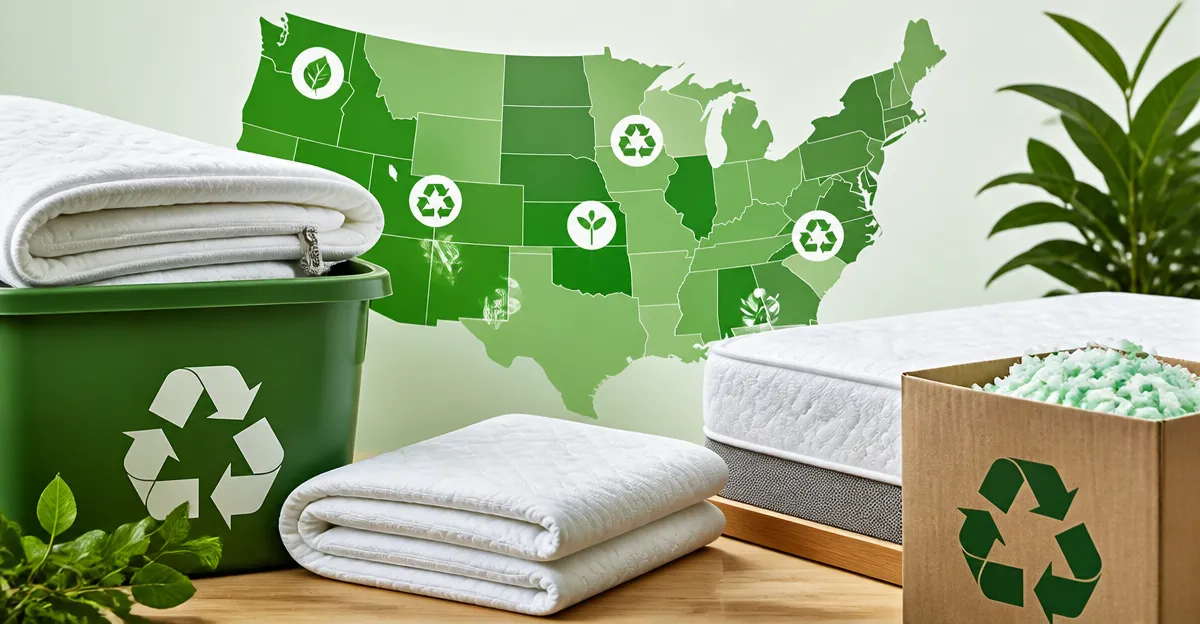
Recycling options vary by state, municipality, and private partnership. The following table summarizes the most common pathways for the United States.
| Region | Program Type | Key Partners | Eligibility Criteria |
|---|---|---|---|
| Pacific Northwest (WA, OR, ID) | Textile Drop‑Off & Manufacturer Take‑Back | Goodwill, TerraCycle, Mattress manufacturers | Clean, dry protectors; no metal components |
| Mid‑Atlantic (NY, NJ, PA) | Household Hazardous Waste (HHW) Centers | Local municipal waste agencies | TPU‑based protectors accepted as “plastic films” |
| Midwest (IL, OH, MI) | Recycling Events & Community Collection | Recycling United, local nonprofits | Maximum weight 2 lb per bag |
| Southwest (TX, AZ, NM) | Retail Take‑Back Programs | Home Depot, Lowe’s, Mattress Firm | Proof of purchase optional; pack in original box if possible |
| Mountain West (CO, UT, WY) | Specialized Textile Recycling Facilities | EcoCycle, GreenFiber | Separate waterproof layer from fabric if possible |
When a local program is not available, consumers may ship protectors to national recyclers such as TerraCycle, which provides prepaid mail‑in kits for textile waste. Although shipping costs can be a factor, the environmental benefit of diverting TPU from landfill often justifies the expense.
Comparison and Selection Guide
The following matrix compares the five featured protectors across criteria that influence recyclability and overall sustainability.
| Product | Material Blend | Waterproof Layer | Price (USD) | Rating | Recyclability Notes |
|---|---|---|---|---|---|
| PlushDeluxe Bamboo Mattress Protector | Bamboo viscose + TPU | TPU membrane | 37.99 | 4.6/5 (42,638) | TPU can be reclaimed; bamboo fiber biodegradable if separated |
| Springspirit Full Mattress Protector | Terry cotton blend + TPU | TPU membrane | 12.98 | 4.5/5 (18,209) | TPU recyclable; terry cotton accepted by most textile programs |
| Utopia Bedding Twin Mattress Protector | 100% polyester + TPU | TPU backing | 11.72 | 4.5/5 (105,413) | Polyester recyclable; TPU layer may require separate processing |
| GoPoony Queen Mattress Protector | Premium fiber surface + TPU | TPU membrane | 24.60 | 4.6/5 (17,573) | Fiber blend less common in recycling; TPU still recoverable |
| SafeRest Queen Mattress Protector | Polyester terry + TPU | TPU membrane | 34.99 | 4.6/5 (280,457) | High volume of reviews indicates durability; TPU recyclable |
When selecting a protector for a household that intends to recycle, prioritize products with a higher proportion of recyclable TPU and a fabric that is accepted by local textile programs. The Springspirit Full Mattress Protector offers a strong balance of cost, comfort, and recyclability, making it an excellent default choice for most consumers.
Best Practices & Tips
- Remove elastic bands and metal hooks before recycling; these components can contaminate the recycling stream.
- Wash the protector according to the manufacturer’s instructions to eliminate stains that could hinder processing.
- If the waterproof membrane is detachable, separate it from the fabric and place each portion in the appropriate recycling bin.
- Document the product’s ASIN and purchase receipt; some programs require proof of purchase for free drop‑off.
- Consider donating gently used protectors to shelters or disaster relief organizations if recycling is not immediately available.
Frequently Asked Questions
1. Can I recycle a waterproof mattress protector with my regular clothing recycling?
In most municipalities, regular clothing recycling accepts only pure cotton, polyester, or wool. Composite protectors that contain TPU or other waterproof layers must be directed to a specialized textile or plastic recycling program.
2. Is the TPU layer biodegradable?
Thermoplastic polyurethane is not biodegradable; however, it can be mechanically recycled into new plastic products when collected by a facility that processes flexible plastics.
3. How many times can I wash a waterproof protector before it loses its barrier?
Manufacturers typically guarantee waterproof performance for at least 50 machine‑wash cycles. The PlushDeluxe Bamboo Mattress Protector and the GoPoony Queen Mattress Protector both note that the membrane remains effective after repeated laundering, provided that low‑heat tumble drying is used.
4. Are there any tax incentives for recycling bedding accessories?
Some states offer modest tax credits for households that participate in certified textile recycling programs. Check the state department of revenue website for the latest information.
5. What should I do if the protector is damaged and no longer waterproof?
Damaged protectors should still be recycled for their fabric component, but the waterproof layer may need to be discarded as non‑recyclable plastic unless a local recycler accepts mixed‑material items.
6. Can I combine multiple protectors in one recycling shipment?
Yes, most mail‑in programs allow bulk submissions. Ensure that each item is clean, dry, and packaged securely to avoid damage during transit.
Conclusion
Recycling waterproof mattress protectors requires awareness of material composition, regional program availability, and proper preparation of the item for collection. By following the steps outlined in this guide, consumers can divert thousands of pounds of TPU‑based waste from landfills each year. Selecting a protector that balances comfort, durability, and recyclability—such as the Springspirit Full Mattress Protector—further enhances the environmental benefit. Ultimately, responsible disposal complements the broader goal of extending mattress life and reducing household waste.
Products Featured in This Guide
PlushDeluxe Bamboo Mattress Protector
Price: $37.99 | Rating: 4.6/5 (42,638 reviews)
Featured because it combines bamboo viscose comfort with a recyclable TPU membrane, offering a premium example of sustainable design.
Springspirit Full Mattress Protector
Price: $12.98 | Rating: 4.5/5 (18,209 reviews)
Featured for its terry‑coted surface, noiseless TPU backing, and affordability, making it highly suitable for recycling programs.
Utopia Bedding Twin Mattress Protector
Price: $11.72 | Rating: 4.5/5 (105,413 reviews)
Featured for its economical price point, polyester construction, and high consumer approval, illustrating that budget options can still be recyclable.
GoPoony Queen Mattress Protector
Price: $24.60 | Rating: 4.6/5 (17,573 reviews)
Featured for its premium fiber surface, deep‑pocket fit, and quiet TPU membrane, providing a high‑end example of recyclable protectors.
SafeRest Queen Mattress Protector
Price: $34.99 | Rating: 4.6/5 (280,457 reviews)
Featured for its widespread popularity, robust TPU barrier, and quiet breathable design, making it a benchmark for mass‑market recyclability.