
How to Create an Emergency Laundry Plan for Nighttime Eczema Flares: Fast, Gentle Steps to Clean Bedding & Sleepwear
Introduction
When eczema symptoms flare during the night, the comfort of clean bedding and sleepwear becomes essential for restorative rest. This guide explains how to develop a rapid yet gentle laundry routine that minimizes skin irritation while removing allergens and residual irritants. One will learn which materials, temperature settings, and hypoallergenic products provide the safest environment for sensitive skin. By following these steps, one can reduce flare severity and improve sleep quality without compromising hygiene.
What You’ll Need
- Hypoallergenic liquid detergent or powder (e.g., Tide Free & Gentle Liquid Detergent or Molly's Suds Unscented Laundry Powder)
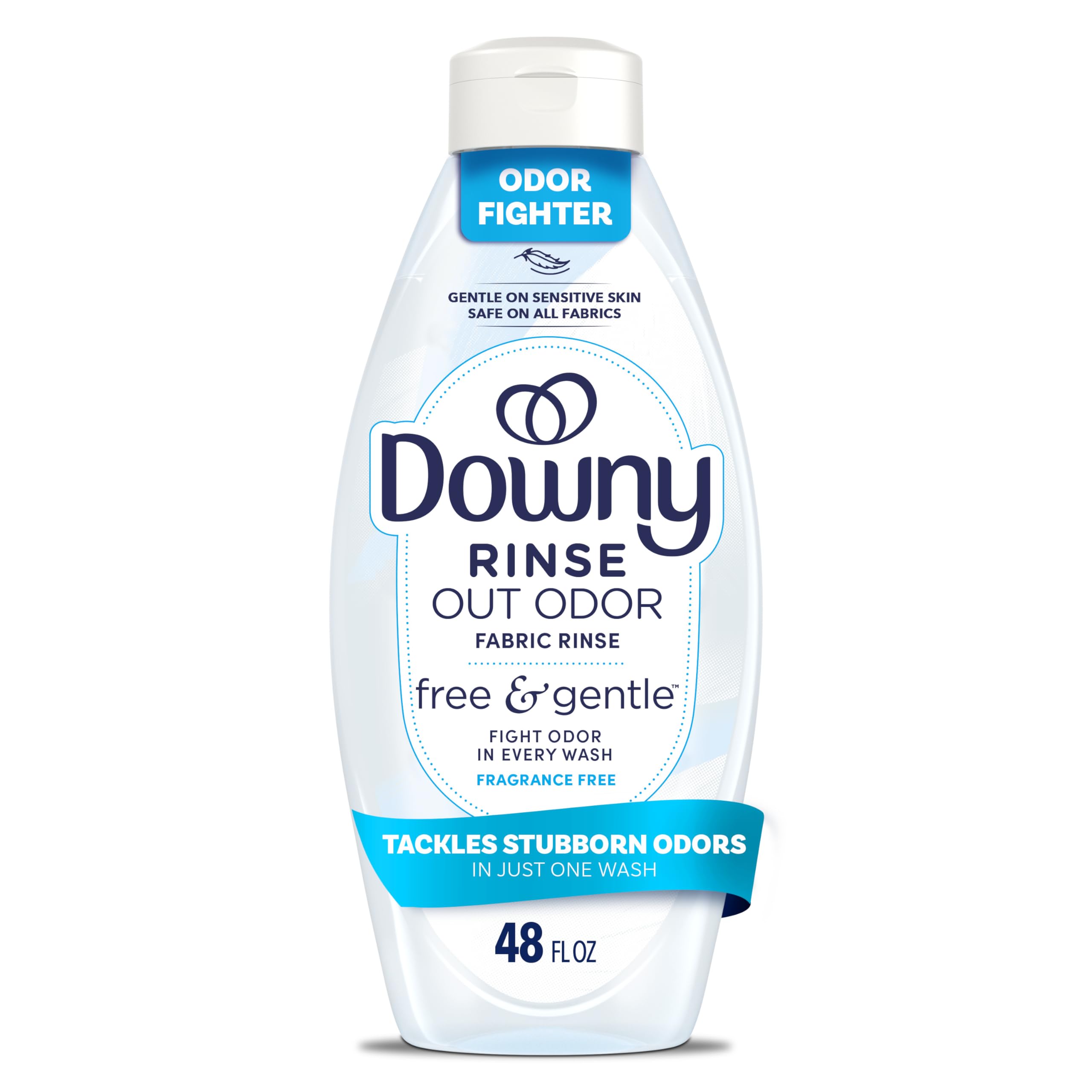
- Fragrance‑free fabric softener or odor‑removing rinse (e.g., Downy Free & Gentle Laundry Odor Rinse)
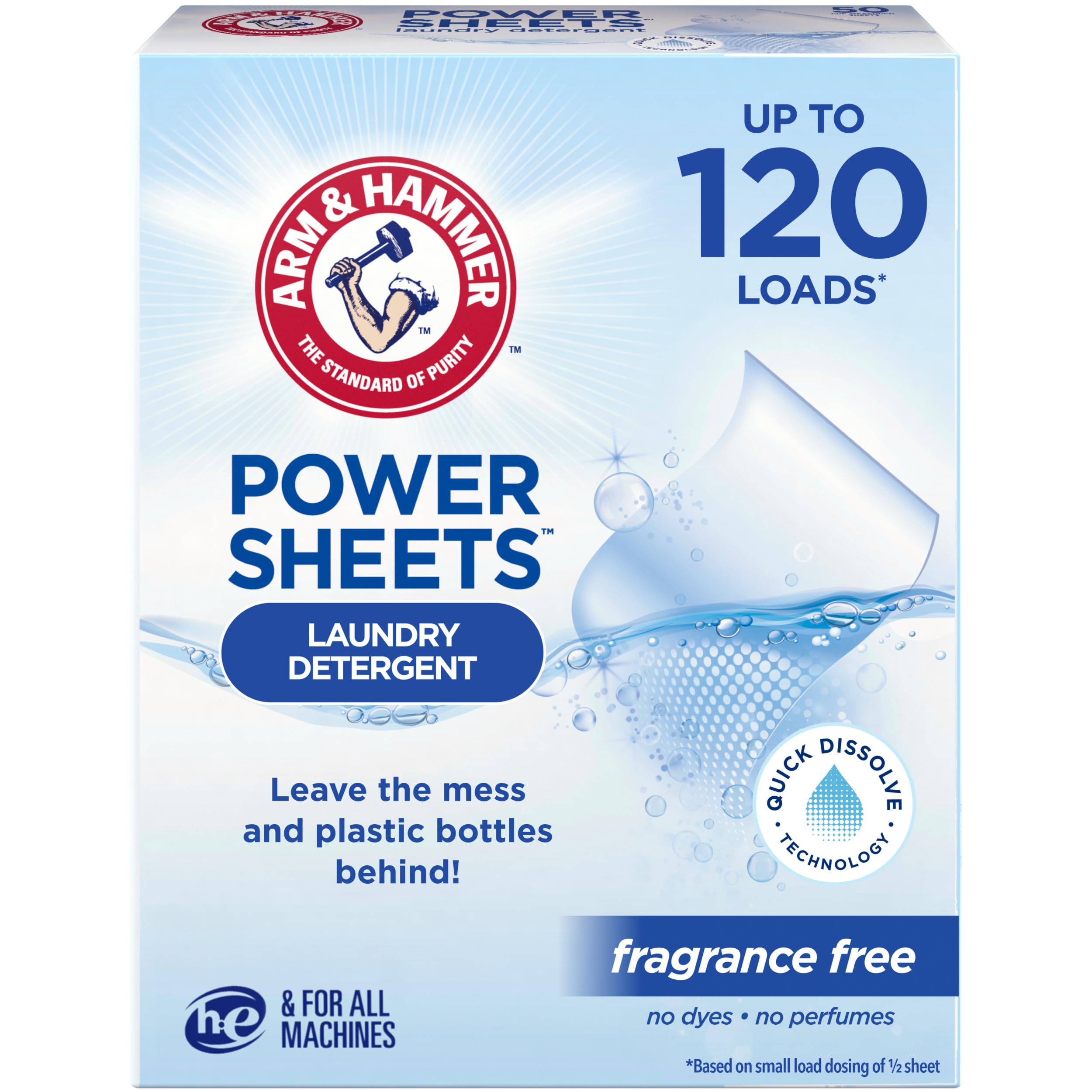
- Optional travel‑friendly detergent sheets for on‑the‑go care (e.g., Arm & Hammer Fragrance‑Free Detergent Sheets)
- Stain‑removal brush or soft cloth
- Measuring scoop or sheet dispenser
- Clean, lint‑free drying rack or low‑heat dryer setting
Step 1: Gather All Affected Bedding and Sleepwear
First, collect every item that has been in direct contact with the skin during the flare, including pillowcases, sheets, blankets, nightgowns, and socks. Separate these items from other household laundry to avoid cross‑contamination with detergents that contain fragrances or dyes. Inspect each piece for visible stains such as sweat, saliva, or topical ointments, as these may contain irritants that require pre‑treatment. Place the gathered items in a designated basket that will remain in the laundry area until the wash cycle begins.
Step 2: Pre‑Treat Visible Stains Gently
Apply a small amount of hypoallergenic detergent directly to any visible stains using a soft brush or cloth. For liquid detergent, a few drops of Tide Free & Gentle Liquid Detergent are sufficient; for powder, dissolve a pinch of Molly's Suds Unscented Laundry Powder in warm water before application. Gently rub the area in a circular motion for no more than fifteen seconds to avoid fabric abrasion. Allow the pre‑treatment to sit for five minutes, which gives the enzymes time to break down protein‑based residues without causing skin irritation.
Step 3: Choose a Hypoallergenic Detergent
Select a detergent that is free of dyes, perfumes, and harsh surfactants. Tide Free & Gentle Liquid Detergent offers a deep clean while remaining gentle on sensitive skin; it is certified by NEA, EPA Safer Choice, and NPF, and carries a 4.8‑star rating from 584 reviews at a price of $11.86 for 64 loads. Alternatively, Molly's Suds Unscented Laundry Powder provides a 4.6‑star rating from 22,789 reviews, cleans up to 120 loads, and uses only four simple, stain‑fighting ingredients, making it an excellent choice for families seeking a powder format. Both products are designed to work in cold water, which helps preserve skin‑friendly fibers and reduces the risk of heat‑induced irritation.
Step 4: Set the Washer to a Gentle, Cold‑Water Cycle
Program the washing machine for a delicate cycle using cold or warm water no higher than 30°C (86°F). Cold water prevents the activation of residual detergents that could irritate eczema‑prone skin, while still allowing the enzymes in the chosen detergent to function effectively. Select an extra‑rinse option if the machine offers it, as this reduces the likelihood of detergent residue remaining on the fabric. Avoid fabric softeners that contain fragrances; instead, rely on the hypoallergenic rinse described in the next step.
Step 5: Add a Fragrance‑Free Odor‑Removing Rinse
During the final rinse, pour the recommended amount of Downy Free & Gentle Laundry Odor Rinse into the dispenser. This product delivers three times more odor‑removing power than standard fabric softeners, while remaining free of dyes and heavy perfumes. It is rated 4.7 stars by 1,219 reviewers and costs $13.16 for a 48‑fl oz bottle. The rinse not only neutralizes lingering smells but also acts as a booster that helps eliminate residual irritants left by the detergent, leaving fabrics softer, brighter, and less likely to provoke a flare.
Step 6: Dry the Laundry Properly
After the wash cycle completes, transfer the items to a low‑heat dryer setting or a clean, lint‑free drying rack placed in a well‑ventilated area. High heat can cause shrinkage and may set any remaining irritants into the fibers, so a gentle tumble at 30°C (86°F) or air‑drying is preferred. If using a dryer, add a single Arm & Hammer Fragrance‑Free Detergent Sheet to the load; the sheet dissolves completely, providing an extra layer of protection against residual chemicals without adding plastic waste. The sheets are rated 4.6 stars by 27,473 reviewers and cost $13.98 for 60 sheets, making them a convenient travel solution for emergency situations.
Step 7: Store Clean Items in a Safe Environment
Once the bedding and sleepwear are completely dry, fold them immediately and store them in a clean, airtight container or a drawer lined with cotton sheets. Avoid plastic bags that can trap moisture and promote mold growth, which may exacerbate eczema symptoms. If the items will not be used within 24 hours, consider placing a small sachet of fragrance‑free dryer sheets to maintain freshness without re‑introducing allergens. Regularly inspect stored textiles for signs of wear or residue, and repeat the emergency laundry plan whenever a new flare occurs.
Tips & Pro Tips
- Keep a dedicated basket for eczema‑sensitive laundry to prevent accidental mixing with regular household loads.
- Use a measuring scoop for powder detergents to avoid over‑use, which can leave excess residue.
- For stubborn protein‑based stains, pre‑soak items in a solution of cold water and a quarter cup of Tide Free & Gentle Liquid Detergent for thirty minutes before washing.
- When traveling, the compact Arm & Hammer Detergent Sheets eliminate the need for bulky liquid containers and reduce the risk of spills.
- Monitor bedroom humidity; a dehumidifier can help keep fabrics dry and less likely to harbor dust mites that trigger eczema.
Troubleshooting
| Problem | Possible Cause | Solution |
|---|---|---|
| Residual detergent odor | Insufficient rinse cycles | Run an extra rinse or add Downy Free & Gentle Rinse during the second rinse. |
| Stains persist after wash | Improper pre‑treatment | Apply a small amount of Molly's Suds Powder directly to the stain and gently agitate before washing. |
| Fabric feels rough | Use of high‑heat drying | Switch to air‑drying or low‑heat tumble; add a fragrance‑free sheet for softness. |
Conclusion
By implementing this emergency laundry plan, one can quickly restore a clean, hypoallergenic sleep environment that supports skin healing during nighttime eczema flares. The combination of gentle detergents, fragrance‑free rinses, and proper drying techniques minimizes irritants while preserving fabric integrity. Consistent use of the recommended products will reduce flare frequency and improve overall sleep quality. One should feel empowered to protect sensitive skin with a systematic, evidence‑based approach that is both practical and affordable.
Products Mentioned in This Guide
Frequently Asked Questions
What type of detergent is safest for eczema‑prone skin at night?
Use a hypoallergenic, fragrance‑free detergent like Tide Free & Gentle or Molly's Suds Unscented Laundry Powder.
What water temperature should I use to wash bedding for eczema flares?
Wash on a warm (30‑40°C/86‑104°F) setting to remove allergens without irritating the skin.
Should I use fabric softener on sleepwear for eczema?
Avoid scented softeners; opt for a fragrance‑free rinse or skip softener altogether.
How often should I change and wash my bedding during an eczema flare?
Replace and launder sheets and pillowcases at least every 2‑3 nights to minimize irritants.
Can I add anything extra to the wash to further protect sensitive skin?
Add a cup of white vinegar in the rinse cycle to help remove detergent residues and reduce itching.