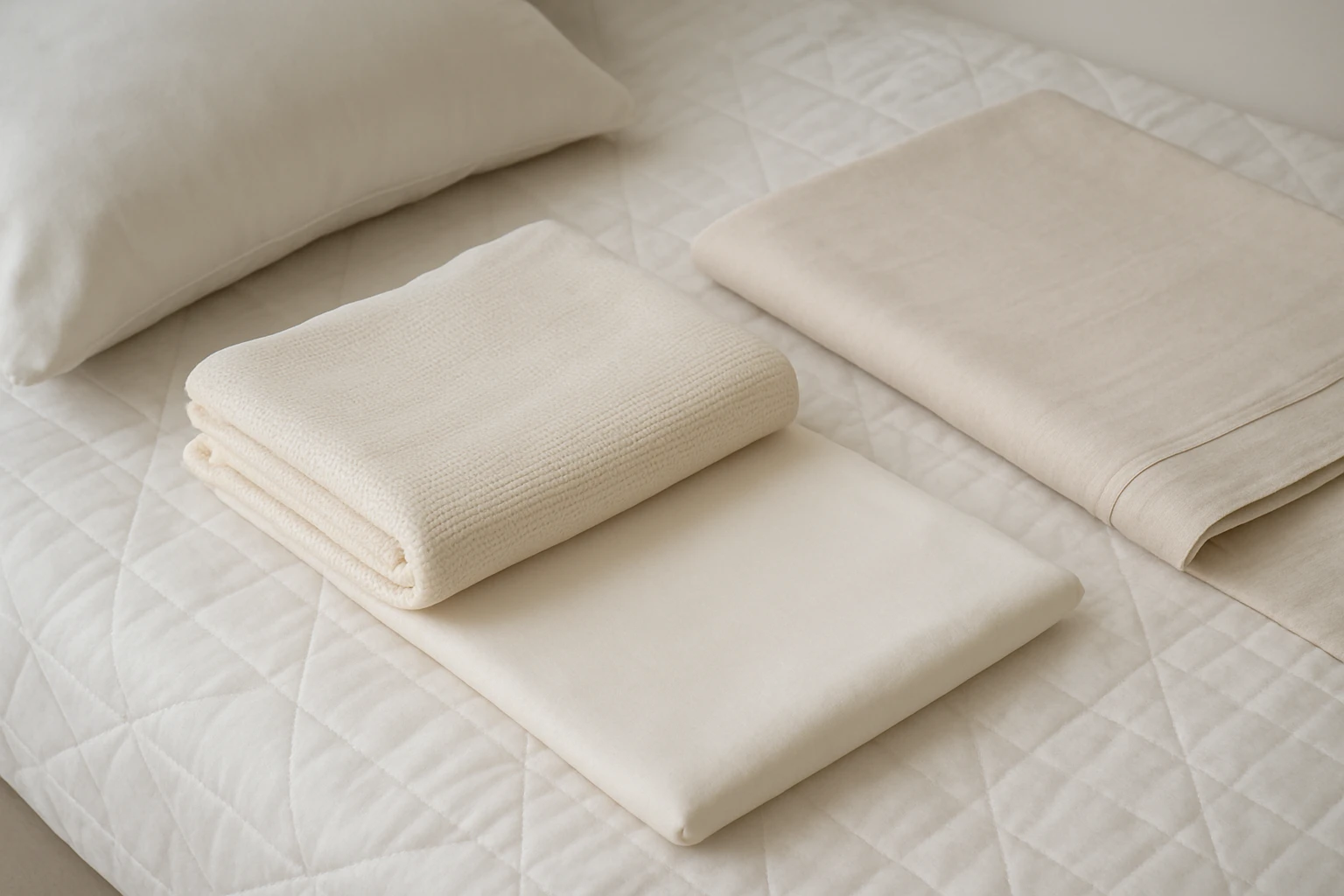
Introduction
This guide explains how parents can transition a child from infant to toddler bedding without aggravating eczema. Readers will learn about skin‑sensitive fabrics, layering techniques, product comparisons, and actionable tips that reduce the risk of flare‑ups while maintaining comfort and style.
Background and Context
Eczema, also known as atopic dermatitis, is a chronic inflammatory skin condition that affects many children. The skin barrier in affected toddlers is compromised, making it more permeable to irritants such as rough fibers, harsh detergents, and synthetic dyes. Research shows that cotton, bamboo, and high‑quality microfiber are among the most tolerable materials because they allow breathability and limit moisture trapping.
During the first two years of life, children outgrow infant‑size cribs and require larger mattresses, sheets, and comforters. This transition often introduces new fabrics and washing routines, which can unintentionally trigger eczema flare‑ups if not managed carefully.
Understanding the relationship between bedding components and skin health is essential for creating a safe sleep environment that supports both growth and dermatological well‑being.
Key Concepts for Eczema‑Friendly Bedding
Three concepts form the foundation of an eczema‑safe sleep space: material selection, moisture management, and cleaning protocols.
- Material Selection: Choose fabrics that are soft, hypoallergenic, and free of harsh chemical finishes. Natural fibers such as organic cotton and bamboo are ideal, while high‑grade microfiber polyester can provide a comparable softness without the irritation of wool or synthetic blends.
- Moisture Management: Eczema‑prone skin thrives in a dry environment. Breathable fabrics that wick away sweat help maintain a stable microclimate, reducing the likelihood of itching.
- Cleaning Protocols: Wash bedding in a gentle, fragrance‑free detergent at low temperatures. Avoid bleach and fabric softeners, which can leave residues that irritate the skin.
Choosing Safe Fabrics
When evaluating a toddler bedding set, examine the label for the following attributes:
- Fiber composition – prioritize 100% microfiber polyester, organic cotton, or bamboo viscose.
- Weave density – a tight weave prevents dust mites from penetrating the fabric.
- Finish – look for Oeko‑Tex certified or other dermatologically tested finishes that guarantee the absence of harmful dyes.
For families seeking a balance between softness and durability, microfiber polyester offers a cloud‑like feel while resisting pilling and fading after repeated washes.
Layering Strategies for Comfort
Proper layering reduces friction and provides temperature regulation. A recommended configuration includes:
- A fitted sheet that fully encircles the mattress to avoid loose edges that could rub against the skin.
- A lightweight comforter or quilted blanket that provides warmth without excessive bulk.
- An optional breathable mattress protector made of vinyl‑free material to guard against spills while preserving airflow.
All layers should be machine washable and dried on a low‑heat setting to preserve fiber integrity.
Product Recommendations
Below are three highly rated toddler bedding sets that meet the criteria outlined above. Each product includes specific features that support eczema‑prone skin.
First, david's kids Forest Toddler Bedding Set offers a premium microfiber polyester fabric that is eco‑friendly and skin‑friendly. The set includes a quilted comforter (42×57 in), flat sheet (45×60 in), fitted sheet (28×52 in) and pillowcase (20×30 in). It holds a 4.8‑star rating from 445 reviews and is priced at $35.99. The breathable weave and machine‑washable construction make it suitable for year‑round use.
Second, Wake In Cloud Floral Toddler Bedding Set features a brushed polyester outer layer with a high‑grade polyester fill, providing lightweight softness. The floral pattern is printed with low‑impact dyes, and the fitted sheet includes an 8‑inch pocket for a secure fit on standard toddler mattresses. This set is rated 4.8 stars by 215 reviewers and costs $23.99, offering an affordable yet comfortable option.
Third, lasoftan Forest Bear Toddler Bedding Set combines 100% brushed microfiber polyester with a cloud‑soft feel. The package includes all essential pieces, and the brand emphasizes easy care—machine wash in cold water, tumble dry low, and no bleach. With a 4.7‑star rating from 558 reviews and a price of $32.99, it balances softness, durability, and value.
Comparison and Selection Guide
| Feature | david's kids Forest | Wake In Cloud Floral | lasoftan Forest Bear |
|---|---|---|---|
| Fabric | Eco‑friendly microfiber polyester | Brushed polyester with polyester fill | 100% brushed microfiber polyester |
| Price | $35.99 | $23.99 | $32.99 |
| Rating (reviews) | 4.8/5 (445) | 4.8/5 (215) | 4.7/5 (558) |
| Included pieces | Comforter, fitted sheet, flat sheet, pillowcase | Comforter, fitted sheet, flat sheet, pillowcase | Comforter, fitted sheet, flat sheet, pillowcase |
| Special features | Eco‑friendly, skin‑friendly, vibrant pattern retention | 8‑inch fitted sheet pocket, subtle stitchings to prevent fill shift | Cloud‑soft feel, easy‑care, after‑sales support |
Parents should select the set that aligns with their budget, aesthetic preference, and any specific fabric sensitivities. All three options provide breathable, machine‑washable materials that minimize irritation.
Best Practices & Tips
- Wash new bedding before first use to remove any residual manufacturing chemicals.
- Use fragrance‑free, pediatric‑safe detergents and avoid fabric softeners.
- Rotate the comforter weekly to distribute wear evenly and prevent hotspots.
- Inspect seams and edges regularly for fraying, which can create rough surfaces.
- Maintain a room temperature between 68‑72 °F (20‑22 °C) and use a breathable mattress protector.
Frequently Asked Questions
- Can I use wool blankets with eczema‑prone toddlers? Wool can be overly warm and may cause friction; it is generally not recommended for active eczema sufferers.
- How often should I wash toddler bedding? Washing twice per week is advisable during flare‑ups; otherwise, a weekly schedule suffices.
- Are synthetic dyes a concern? Yes, low‑impact, certified‑safe dyes reduce the risk of allergic reactions. Choose products that disclose dye safety.
- Do I need a mattress protector? A breathable, vinyl‑free protector adds a barrier against spills without trapping moisture, making it beneficial.
- What temperature should the bedroom be? Keeping the room slightly cool helps prevent sweating, which can exacerbate eczema.
- Is microfiber safe for sensitive skin? High‑quality microfiber polyester is hypoallergenic and often recommended for eczema‑prone children.
- Can I combine two different bedding sets? Mixing fabrics is possible, but ensure all components share the same breathability and wash‑care standards.
Conclusion
Transitioning from baby to toddler bedding does not have to trigger eczema flare‑ups. By selecting breathable, skin‑friendly fabrics, employing proper layering, and adhering to gentle washing routines, parents can create a comfortable sleep environment that supports healthy skin development. The three featured products illustrate how quality, affordability, and design can coexist within an eczema‑friendly framework.
Products Featured in This Guide
david's kids Forest Toddler Bedding Set
Price: $35.99
Rating: 4.8/5 (445 reviews)
Featured for its eco‑friendly microfiber polyester, full 4‑piece set, and high customer satisfaction.
Wake In Cloud Floral Toddler Bedding Set
Price: $23.99
Rating: 4.8/5 (215 reviews)
Featured for its lightweight brushed polyester, secure 8‑inch fitted sheet pocket, and affordable price point.
lasoftan Forest Bear Toddler Bedding Set
Price: $32.99
Rating: 4.7/5 (558 reviews)
Featured for its cloud‑soft microfiber, comprehensive care instructions, and reliable after‑sales support.