How to Build a Hypoallergenic Laundry Kit for Shared‑Custody Kids with Eczema
Introduction
Parents who share custody of children with eczema often face the challenge of maintaining a consistent, skin‑friendly laundry routine across two households. This guide explains how to assemble a comprehensive hypoallergenic laundry kit that reduces irritants, protects delicate skin, and simplifies the washing process for both caregivers. Readers will learn which tools are essential, how to use them correctly, and why each product contributes to a safer laundry environment. By following these instructions, caregivers can minimize flare‑ups caused by residual detergents, fragrances, or harsh chemicals.
What You’ll Need
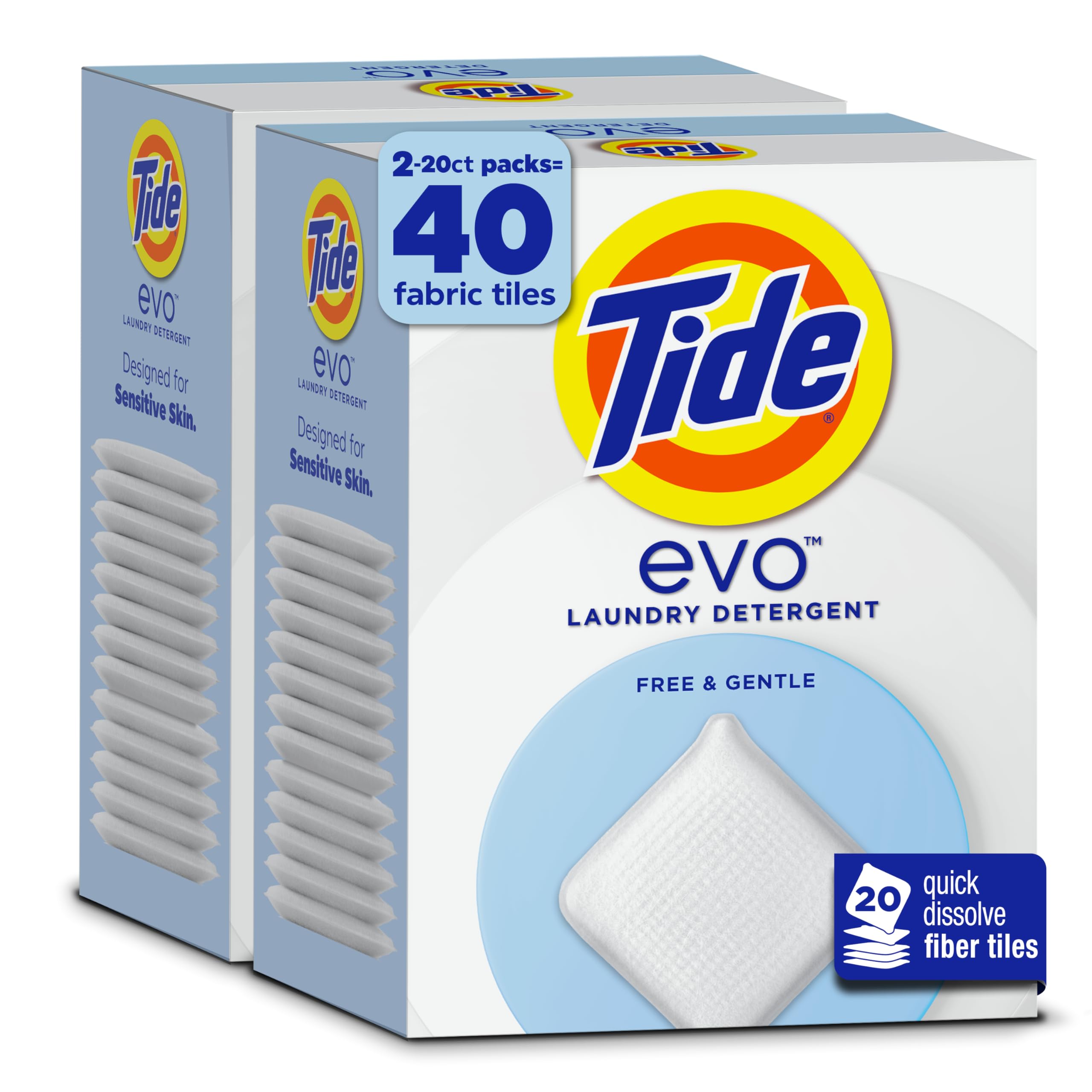
- Tide Free & Gentle Laundry Detergent – 40 tiles, $19.95, 4.4/5 rating
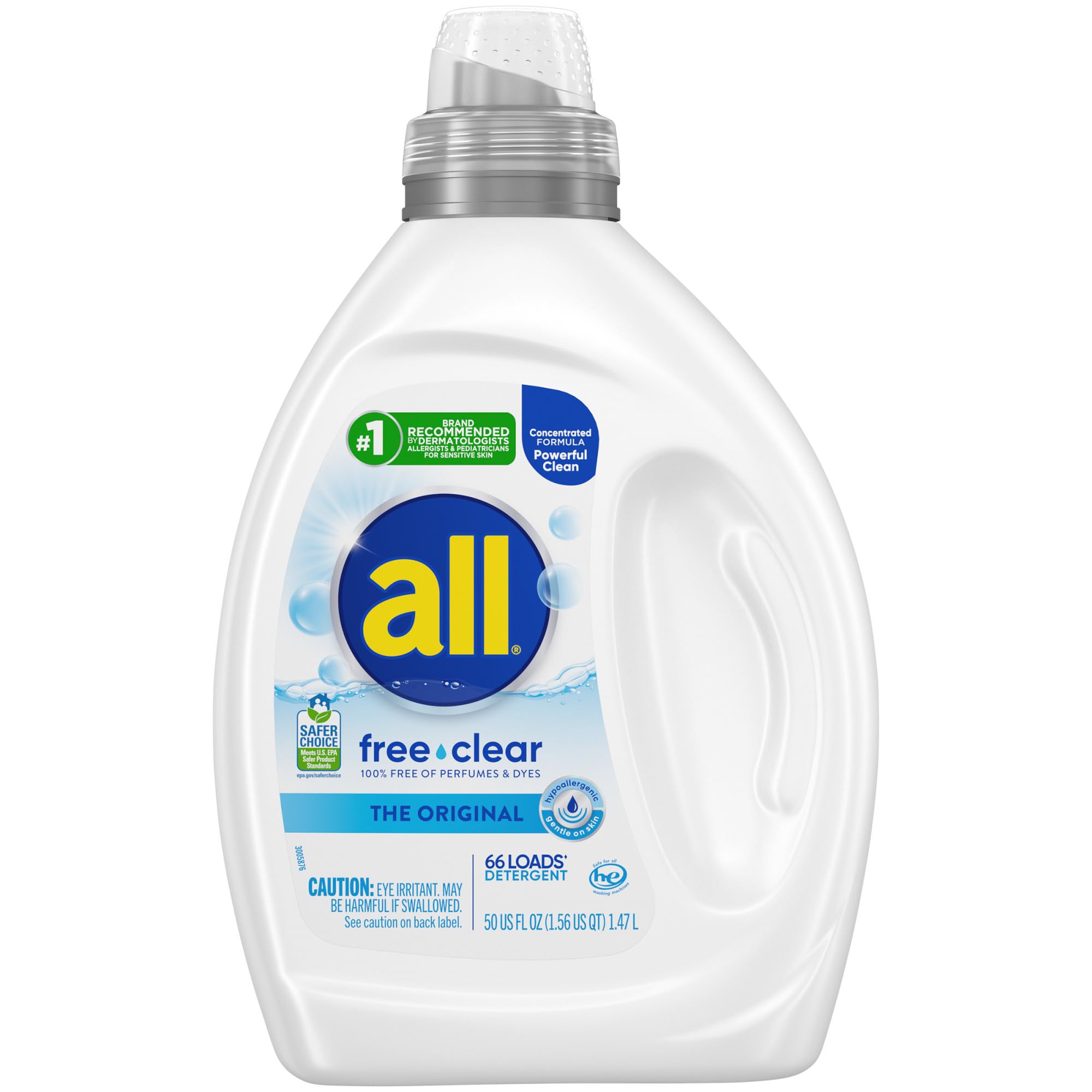
- all Free Clear Laundry Detergent – 50 oz bottle, $10.79, 4.7/5 rating
- Mesh laundry bags for separating sensitive garments
- Reusable dryer balls made from natural wool
- Label maker or waterproof markers for clear identification
- Plastic storage bin with lid for keeping detergents organized
Step 1: Establish a Dedicated Washing Zone
The first step is to create a dedicated washing zone in each residence so that hypoallergenic products are never mixed with regular detergents. Choose a shelf or cabinet near the washing machine and store all recommended items together. Place the plastic storage bin on that shelf; its lid prevents accidental spills and protects the detergents from humidity. By keeping the zone separate, caregivers avoid cross‑contamination that could trigger eczema flare‑ups.
Step 2: Select the Primary Detergent for Everyday Loads
For routine laundry that includes everyday clothing, the all Free Clear Laundry Detergent provides a concentrated, unscented formula that dermatologists, allergists, and pediatricians endorse for sensitive skin. Its key features include a hypoallergenic composition free of perfumes and dyes, a powerful clean that removes 99 % of common allergens, and a Safer Choice certification from the EPA. At $10.79 for 50 oz, the bottle yields approximately 66 medium loads, offering excellent value for families with frequent washing needs. The concentrated formula reduces the amount of product required per load, which minimizes residue on fabrics and further protects eczema‑prone skin.
Step 3: Reserve Laundry Tiles for Delicate or Travel Loads
When traveling between households or washing particularly delicate items, the Tide Free & Gentle Laundry Detergent tiles serve as a mess‑free alternative to liquid detergent. Each tile dissolves instantly, eliminating the need for measuring and preventing over‑use of detergent, which can leave irritating residues. The hypoallergenic formula is free of added dyes and perfumes, making it ideal for bedtime pajamas, soft blankets, and baby garments. Priced at $19.95 for 40 tiles, the product offers a convenient, travel‑ready solution that maintains consistent cleaning performance across both homes.
Step 4: Use Mesh Laundry Bags for Sensitive Garments
Place eczema‑prone clothing, such as onesies, socks, and soft fabrics, inside mesh laundry bags before loading the washing machine. The bags protect delicate fibers from friction while keeping them separate from other laundry that may contain residual fragrances. This practice also prevents small items from being lost in the machine. Mesh bags are reusable, inexpensive, and can be labeled with the child’s name for easy identification.
Step 5: Optimize the Washing Cycle Settings
Select a cold‑water cycle whenever possible, as cold water reduces the likelihood of skin irritation and preserves the integrity of sensitive fabrics. Use the gentle or delicate cycle to minimize agitation, which can cause micro‑tears in the skin‑contact areas of clothing. Add the appropriate amount of detergent: one tile of Tide Free & Gentle for a standard load, or the measured dose of all Free Clear according to the bottle instructions. Rinse twice to ensure that no detergent residue remains on the fabrics.
Step 6: Drying Techniques That Preserve Skin Comfort
After washing, tumble dry on a low‑heat setting or air‑dry whenever possible. Low heat prevents fabric shrinkage and reduces static electricity, which can irritate eczema‑affected skin. Adding natural wool dryer balls helps separate garments, improves airflow, and eliminates the need for fabric softeners that often contain fragrances. If a dryer is not available, lay garments flat on a clean, dry towel and roll gently to remove excess water before hanging them to air‑dry.
Step 7: Label and Document the Kit for Consistency
Use a label maker or waterproof marker to clearly label each detergent container, mesh bag, and storage bin with the child’s name and the intended use. Maintaining a simple checklist on the inside of the storage bin door helps both caregivers verify that the correct products are used for each load. Consistent labeling reduces the risk of accidental substitution with regular detergents that may contain irritants.
Tips & Pro Tips
- Store detergents away from direct sunlight to preserve their efficacy over time.
- Perform a patch test on a small fabric area after the first wash with a new detergent to ensure no adverse reaction.
- Consider using a second rinse cycle for infants or children with severe eczema.
- Replace mesh laundry bags every six months to prevent buildup of mold or bacteria.
- Keep a spare set of tiles in a travel bag so that one caregiver can wash a load without needing to transport liquid detergent.
Troubleshooting
Problem: Persistent itching after washing.
Solution: Verify that the washing machine is rinsing twice and that no fabric softener or dryer sheet has been added inadvertently. Switch to the hypoallergenic detergent tiles for the next load and increase the rinse count.
Problem: Detergent residue on clothing.
Solution: Reduce the amount of liquid detergent used per load; the concentrated formula of all Free Clear requires only a small dose. Ensure the washing machine drum is not overloaded.
Conclusion
Creating a hypoallergenic laundry kit for shared‑custody children with eczema involves selecting dermatologist‑approved detergents, establishing a dedicated washing zone, and employing protective accessories such as mesh bags and dryer balls. By following the step‑by‑step instructions, caregivers can maintain consistent, skin‑friendly laundry practices across multiple homes, thereby reducing the frequency of eczema flare‑ups. The recommended products provide reliable performance, convenience, and safety, while the additional tips and troubleshooting guidance ensure long‑term success. Implement this kit today and experience the peace of mind that comes from knowing each garment is clean, gentle, and safe for sensitive skin.
Products Mentioned in This Guide
Frequently Asked Questions
Why should I choose a hypoallergenic detergent for a child with eczema?
Hypoallergenic detergents are free of dyes and fragrances that can trigger skin irritation and eczema flare‑ups.
What items belong in a shared‑custody hypoallergenic laundry kit?
Include a fragrance‑free detergent, mesh laundry bags, reusable dryer balls, a gentle fabric softener alternative, and a label for each household.
How can I keep the laundry kit consistent between two homes?
Store the kit in a clearly labeled, waterproof container and place a copy of the washing instructions in each bathroom.
How often should I wash a child’s bedding and clothes to prevent eczema triggers?
Wash bedding weekly and everyday clothing after each wear using the hypoallergenic detergent and a cold‑water rinse.
Can dryer sheets be used with a hypoallergenic laundry routine?
Avoid dryer sheets; instead use dryer balls to reduce static and soften fabrics without added chemicals.