Introduction
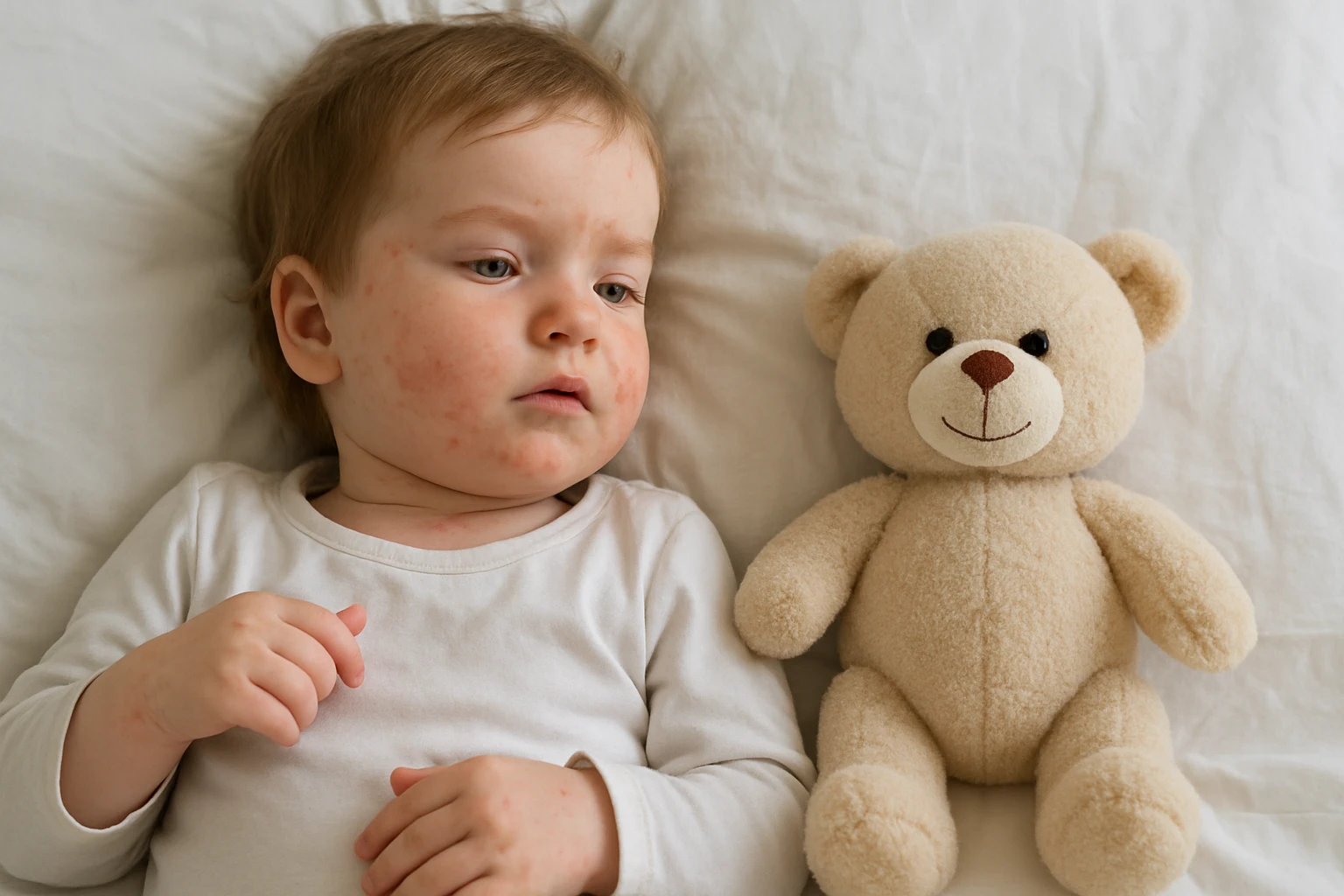
Parents who seek to protect children from fire hazards often encounter bedding that contains flame retardant chemicals. One common concern is whether these chemicals exacerbate eczema, a condition characterized by dry, itchy skin. This guide explains the scientific background, evaluates potential risks, and presents safer bedding alternatives. By the end of the article, a parent will understand how to choose bedding that minimizes eczema flare‑ups while maintaining fire safety.
The discussion focuses on children’s bedding, but the principles apply to any household textile that contacts sensitive skin. It is important to note that regulations differ by region, and compliance does not guarantee dermatological safety. The guide therefore balances regulatory information with dermatological research. Readers are encouraged to apply the recommendations in the context of their own home environment.
Background and Context
Eczema, also known as atopic dermatitis, affects a significant proportion of children worldwide. The condition results from a combination of genetic predisposition, barrier dysfunction, and environmental triggers. Among environmental factors, chemical irritants in fabrics can penetrate the compromised skin barrier and provoke inflammation. Understanding how flame retardant chemicals interact with eczema‑prone skin is essential for informed purchasing decisions.
Flame retardants are added to textiles to meet fire safety standards such as California Technical Bulletin 117 and the Consumer Product Safety Improvement Act. Historically, many manufacturers used brominated or chlorinated compounds, which have raised health concerns. Modern regulations encourage the use of “inherently flame‑resistant” fibers, which achieve fire safety without added chemicals. Parents must therefore differentiate between treated and inherently resistant fabrics.
Understanding Flame Retardant Chemicals
Flame retardant chemicals function by interrupting the combustion process, either by releasing flame‑inhibiting gases or by forming a protective char layer. Common classes include organophosphates, brominated diphenyl ethers, and nitrogen‑based compounds. While these substances reduce ignition risk, research indicates that some can act as endocrine disruptors or skin sensitizers.
In vitro studies have demonstrated that certain brominated flame retardants can penetrate the stratum corneum, the outermost layer of skin. Once absorbed, they may trigger immune responses that worsen eczema symptoms. Epidemiological data, although limited, suggest a correlation between high indoor concentrations of flame retardants and increased rates of allergic dermatitis in children.
Impact of Flame Retardants on Eczema‑Prone Skin
Children with eczema possess a weakened skin barrier, allowing allergens and irritants to enter more readily. Flame retardant particles that are loosely bound to fibers can be released during sleep, creating chronic low‑level exposure. This exposure may lead to persistent itching, redness, and secondary infections.
Clinical observations report that some children experience flare‑ups after switching to newly treated bedding, whereas removal of the treated items often results in rapid improvement. However, not all flame retardants have the same irritancy potential; nitrogen‑based compounds generally exhibit lower dermal toxicity than brominated variants. Parents should therefore prioritize bedding that avoids brominated chemicals.
Choosing Safe Bedding Materials
One effective strategy is to select bedding made from inherently flame‑resistant fibers such as bamboo viscose, which achieve fire safety through natural fiber properties. Bamboo viscose is also renowned for its moisture‑wicking and hypoallergenic qualities, making it suitable for eczema‑prone children.
The Olive + Crate Bamboo Comforter exemplifies an eco‑friendly alternative. It features a 100% bamboo viscose outer shell and a fill blend of 60% recycled polyester and 40% bamboo viscose, providing a breathable, cooling surface. The comforter holds a rating of 4.4 out of 5 stars from 697 reviews and is priced at $119.99, reflecting a balance of quality and affordability.
Complementary sheet sets further enhance a hypoallergenic sleep environment. The Pure Bamboo Queen Sheet Set offers 100% organically grown bamboo viscose, OEKO‑Tex 100 certification, and a 300‑thread‑count sateen weave that feels silky without excessive friction. With a rating of 4.6 out of 5 stars from 19,349 reviews and a price of $104.99, the sheet set delivers both comfort and safety.
Comparison and Selection Guide
The table below compares key attributes of the two featured products against conventional cotton bedding that typically contains added flame retardants.
| Feature | Olive + Crate Bamboo Comforter | Pure Bamboo Queen Sheet Set | Typical Treated Cotton Set |
|---|---|---|---|
| Material | 100% bamboo viscose outer shell, 60% recycled polyester + 40% bamboo viscose fill | 100% bamboo viscose | Cotton with added flame retardant chemicals |
| Flame Resistance | Inherent due to bamboo fiber properties | Inherent due to bamboo fiber properties | Achieved through chemical treatment |
| Breathability | High – natural moisture‑wicking | High – thermoregulating | Moderate – may trap heat |
| Hypoallergenic | Yes – Oeko‑Tex certified | Yes – Oeko‑Tex certified | Variable – chemical residues possible |
| Price (USD) | $119.99 | $104.99 | ~$80–$120 depending on brand |
| Average Rating | 4.4/5 (697 reviews) | 4.6/5 (19,349 reviews) | 3.5–4.0/5 |
When selecting bedding for a child with eczema, prioritize inherent flame resistance, high breathability, and certifications that confirm the absence of harmful chemicals. The bamboo options presented meet these criteria while offering comfort comparable to higher‑priced luxury brands.
Best Practices and Tips
Beyond product selection, parents can implement additional measures to reduce skin irritation. Washing new bedding before first use removes residual manufacturing dust and any trace chemicals that may remain on the surface.
Use a gentle, fragrance‑free detergent and avoid fabric softeners, which can leave oily residues that exacerbate eczema. Dry the items on a low‑heat setting to preserve the integrity of bamboo fibers and prevent shrinkage.
Maintain a cool bedroom temperature, ideally between 65°F and 70°F, to complement the thermoregulating properties of bamboo fabrics. Regularly replace bedding after three to five years, as wear can diminish breathability and protective qualities.
Finally, consider using a mattress protector that is also free of flame retardant chemicals. Many protectors are marketed as “organic” or “natural” and provide an additional barrier against allergens and dust mites.
Frequently Asked Questions
- Do flame retardant chemicals cause eczema flare‑ups? Research suggests that certain flame retardants, particularly brominated compounds, can irritate compromised skin and potentially trigger flare‑ups. Selecting inherently flame‑resistant fabrics reduces this risk.
- Are bamboo fabrics truly flame‑resistant? Yes, bamboo viscose possesses natural fire‑retardant properties that meet most safety standards without the need for added chemicals.
- Can I wash bamboo bedding with regular laundry detergent? It is advisable to use a mild, fragrance‑free detergent and avoid bleach or fabric softeners to preserve the fabric’s hypoallergenic qualities.
- How often should I replace my child’s bedding? For optimal hygiene and performance, replace bedding every three to five years, or sooner if the fabric shows signs of wear.
- Is a higher thread count better for eczema? A higher thread count does not necessarily improve skin comfort; breathable, low‑friction fabrics such as bamboo are more beneficial for eczema‑prone skin.
Conclusion
Flame retardant chemicals can present a hidden risk for children who suffer from eczema, especially when the chemicals are not inherently flame‑resistant. By choosing bedding made from naturally flame‑resistant fibers, parents can maintain fire safety while minimizing skin irritation. The Olive + Crate Bamboo Comforter and Pure Bamboo Queen Sheet Set illustrate how sustainable, breathable, and certified products meet both safety and comfort requirements. Implementing the best‑practice guidelines further enhances the sleep environment, supporting healthier skin and better rest for children.
Products Featured in This Guide
Olive + Crate Bamboo Comforter
Price: $119.99
Rating: 4.4 out of 5 stars (697 reviews)
Featured because it provides inherent flame resistance, high breathability, and Oeko‑Tex certification, making it suitable for children with eczema.
Pure Bamboo Queen Sheet Set
Price: $104.99
Rating: 4.6 out of 5 stars (19,349 reviews)
Featured because it offers 100% organically grown bamboo viscose, a breathable 300‑thread‑count sateen weave, and Oeko‑Tex certification, all of which support eczema‑friendly sleep environments.