How to Strip Detergent Buildup from Clothes and Bedding to Reduce Eczema Flare‑Ups
Introduction
The accumulation of detergent residues on fabrics can irritate sensitive skin and trigger eczema flare‑ups. This guide explains how to eliminate those residues using proven techniques and carefully selected products. Readers will learn a systematic approach that combines deep‑cleaning chemistry with hypoallergenic maintenance solutions. By following these steps, one can create a healthier laundry environment that supports skin comfort.
Although the process may appear technical, the instructions are written in clear language for an intermediate audience. Each step includes practical tips, safety warnings, and product recommendations that are genuinely useful. The guide also addresses common problems such as lingering odors or stubborn stains. Ultimately, the reader will gain confidence to maintain residue‑free linens and garments.
What You'll Need
- Roses Natural Laundry Stripping Powder – a plant‑based deep‑cleaning agent.
- Arm & Hammer Sensitive Skin Detergent – a hypoallergenic liquid for regular washes.
- Tide Free & Gentle Liquid Detergent – a fragrance‑free formula for final rinses.
- Persil Free & Sensitive Liquid Detergent – an ultra‑concentrated solution for ongoing maintenance.
- Large stainless‑steel or plastic basin, measuring cup, soft‑bristle brush, and clean towels.
Step 1: Gather Supplies and Prepare the Workspace
Begin by selecting a well‑ventilated area where the washing machine or basin can be accessed safely. Place a clean towel on the floor to catch any spills and protect surfaces from moisture. Ensure that the basin is free of residues from previous cleaning agents, as cross‑contamination could reduce effectiveness. Gather the four recommended products, as each plays a distinct role in the stripping sequence.
Having all materials within reach minimizes interruptions and helps maintain a steady workflow. Verify that the laundry load consists of cotton or polyester fabrics, which respond best to the stripping powder. Separate heavily soiled items from lightly used bedding to allow precise timing. This preparation stage sets the foundation for a successful residue‑removal cycle.
Step 2: Create the Stripping Solution with Roses Natural Laundry Stripping Powder
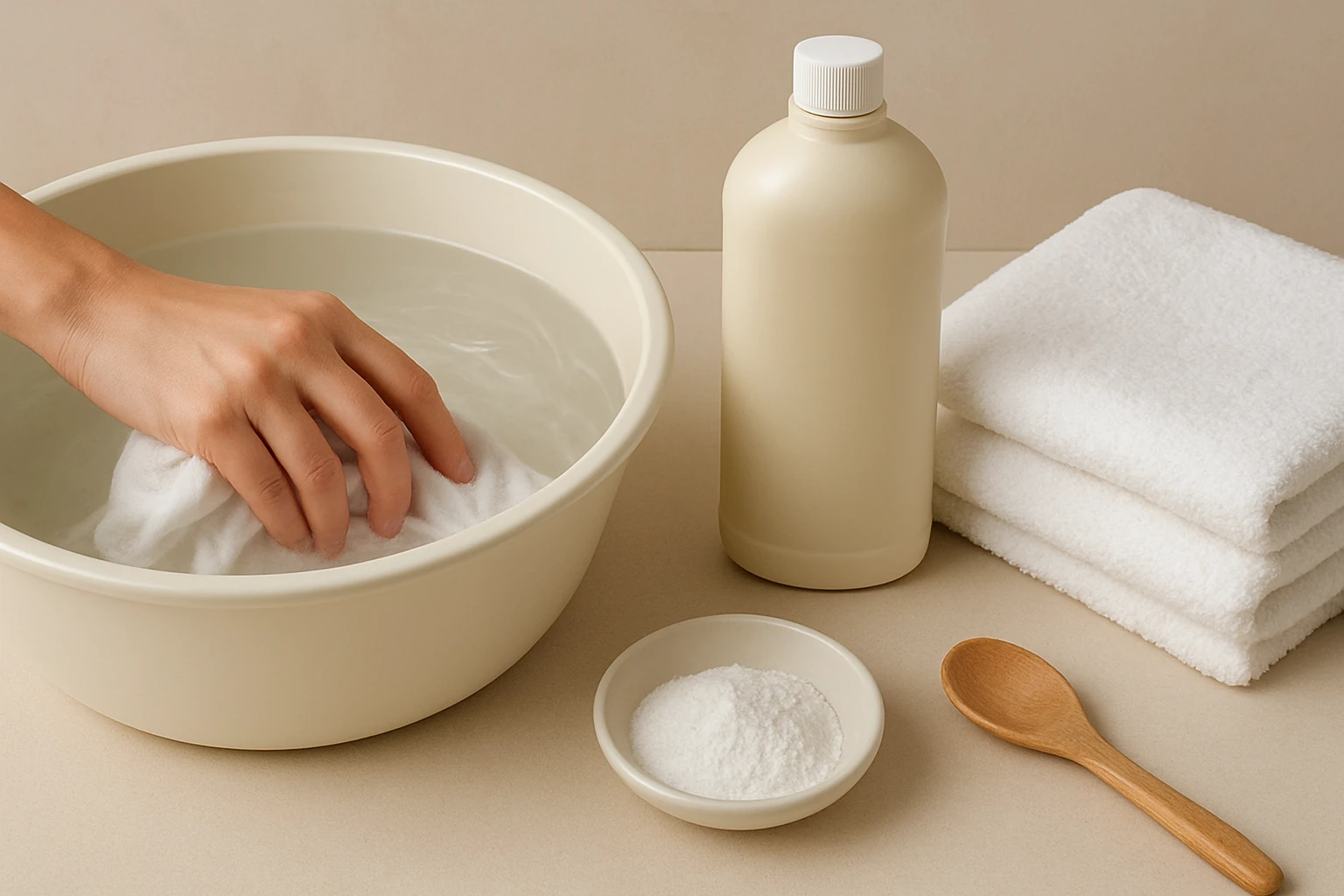
Measure two tablespoons of Roses Natural Laundry Stripping Powder and dissolve it in one gallon of hot water (approximately 120°F). Stir gently until the powder is fully dispersed, creating a cloudy solution that indicates active surfactants. The deep‑cleansing power of this plant‑based powder targets built‑up residues without leaving additional chemicals on the fabric.
Key features of this product include:
- Deep cleansing power that breaks down detergent films.
- Odor elimination through natural plant extracts.
- Residue‑free assurance for truly clean fibers.
- Versatile cleaning suitable for a range of fabric types.
Price is $29.99 and the rating is 4.3 out of 5 stars, reflecting reliable performance despite a limited review count. Submerge the laundry items in the solution, ensuring they are fully saturated, and allow them to soak for 30 minutes. During this period, the powder works to lift entrenched detergent molecules from the fibers.
Step 3: Agitate and Rinse Using Arm & Hammer Sensitive Skin Detergent
After the soak, gently agitate each item with a soft‑bristle brush to dislodge loosened residues. This manual action complements the chemical action of the stripping powder, especially on high‑traffic areas such as cuffs and collars. Transfer the items to the washing machine and add one capful of Arm & Hammer Sensitive Skin Detergent, which is free from dyes, perfumes, and preservatives.
Features of this detergent include:
- Dermatologist‑tested hypoallergenic formula safe for sensitive skin.
- Concentrated 2X stain‑fighting power for efficient cleaning.
- Inclusion of baking soda for odor neutralization.
- HE‑compatible low‑suds performance.
The product is priced at $12.19 with a rating of 4.7 out of 5 stars based on 60,483 reviews, indicating broad consumer satisfaction. Run a normal cycle using warm water (not exceeding 110°F) to rinse away the stripped residues. The gentle surfactants in this detergent protect the skin while ensuring that any remaining powder particles are flushed out.
Step 4: Perform a Final Rinse with Tide Free & Gentle Liquid Detergent
To guarantee that no trace of detergent remains, execute a second rinse cycle using Tide Free & Gentle Liquid Detergent. This formula is certified by the National Eczema Association and the National Psoriasis Foundation, making it an ideal choice for individuals prone to skin irritation.
Key attributes include:
- Hypoallergenic composition free of dyes, perfumes, and irritating residues.
- Effective stain and odor removal even in cold water.
- Compatibility with all washing machine types, including HE models.
- Large 105 fl oz bottle provides 80 loads, offering economical value.
Priced at $12.72, the detergent holds a strong reputation for gentle yet thorough cleaning. Add a half‑cup to the machine and select a cold‑water rinse to protect fabric integrity while completing the residue removal process. This final step ensures that the clothing and bedding are truly free of chemical buildup, reducing the risk of eczema triggers.
Step 5: Dry, Store, and Maintain with Persil Free & Sensitive Liquid Detergent
After the final rinse, transfer the items to the dryer or hang them in a well‑ventilated area to dry completely. Moist environments can foster mold growth, which may exacerbate skin conditions. Once dry, store linens in a clean, dry cabinet to prevent re‑contamination.
For ongoing maintenance, incorporate Persil Free & Sensitive Liquid Detergent into regular laundry cycles. Its ultra‑concentrated formula delivers powerful cleaning while protecting fabric color and texture.
Features of this product include:
- Hypoallergenic, dye‑free, and perfume‑free formulation.
- Fabric protection technology that preserves vibrancy.
- 2X concentrated formula reduces the amount needed per load.
- Effective cleaning in all water temperatures, including cold.
At $19.45, Persil offers a premium solution that maintains the residue‑free environment established by the stripping process. Use one tablespoon per load to keep garments clean without re‑introducing irritants.
Tips & Pro Tips
Always test a small, inconspicuous area of a garment before applying the stripping powder to avoid unexpected discoloration. Use hot water for the initial soak, but never exceed 130°F, as excessively high temperatures can damage delicate fibers. For bedding, consider stripping the entire set together to ensure uniform cleanliness.
Pro tip: Add a cup of white vinegar to the final rinse cycle to neutralize any lingering mineral deposits from hard water. This step is especially beneficial for households with high water hardness, as it further reduces potential skin irritants. Additionally, avoid fabric softeners during the stripping process, because they can leave additional residues that counteract the benefits of the cleaning agents.
Troubleshooting
Problem: Persistent odor after stripping. Solution: Repeat the final rinse with Tide Free & Gentle, ensuring the machine uses an extra spin cycle to extract excess water and odor molecules.
Problem: Stubborn stains remain after the process. Solution: Pre‑treat affected areas with a small amount of Arm & Hammer Sensitive Skin Detergent directly on the stain, let it sit for five minutes, then re‑run the wash cycle.
Conclusion
This guide has outlined a comprehensive method to remove detergent buildup from clothing and bedding, thereby reducing eczema flare‑ups. By following the five steps and employing the recommended products, one can achieve a residue‑free laundry environment that supports skin health. The combination of natural stripping powder, hypoallergenic detergents, and proper drying practices creates a sustainable routine for sensitive individuals.
Readers are encouraged to adopt this protocol as part of their regular household maintenance, adjusting frequency based on personal skin sensitivity and laundry volume. Consistent application will minimize irritants and promote long‑term comfort.
Products Mentioned in This Guide
Frequently Asked Questions
Why does detergent residue trigger eczema flare‑ups?
Residue can irritate sensitive skin by leaving chemicals that block the skin’s natural barrier, leading to itching and inflammation.
How often should I strip detergent buildup from my laundry?
Perform a stripping cycle every 4–6 weeks or whenever you notice lingering odors or skin irritation after washing.
What is the best method to strip detergent buildup from clothes?
Run a hot water wash with a plant‑based stripping powder like Roses Natural Laundry Stripping Powder, then rinse twice without detergent.
Can I use regular detergent during a stripping cycle?
No, use only the stripping powder and plain water; add a hypoallergenic detergent like Arm & Hammer Sensitive Skin Detergent only in subsequent regular washes.
Are there safety precautions when stripping laundry?
Wear gloves, ensure good ventilation, and avoid mixing stripping powder with bleach or other chemicals to prevent hazardous reactions.