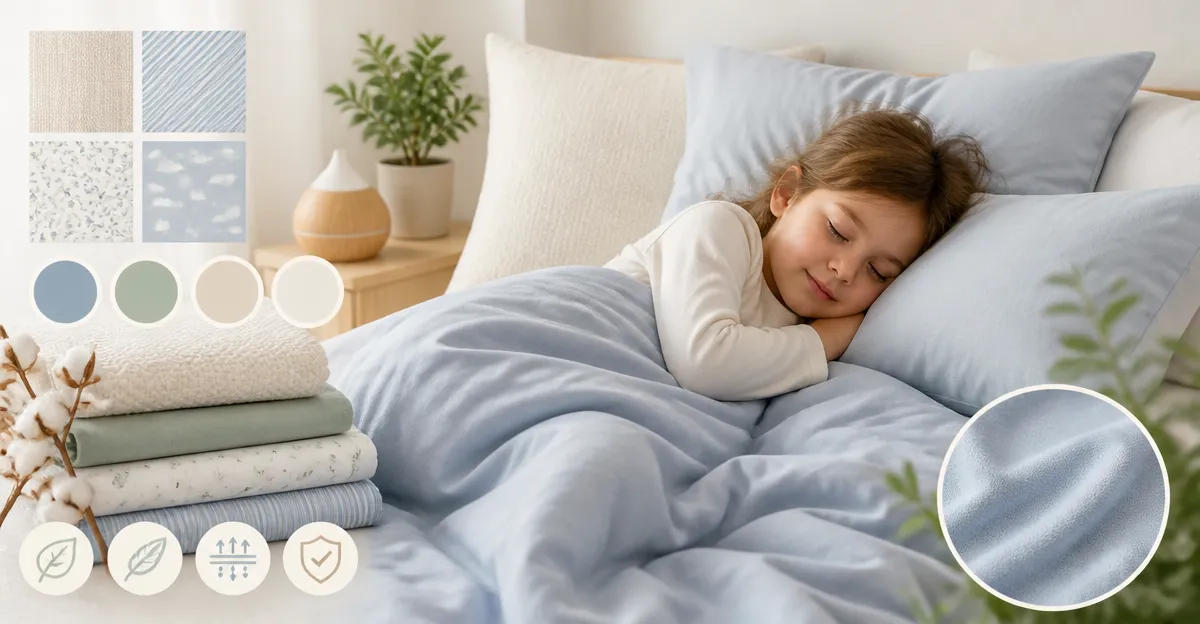
Sensory‑Friendly Bedding: Color & Pattern Guide for Kids with Eczema and Sensory Stress
Introduction
Creating a sleep environment that reduces eczema flare‑ups and sensory overload is essential for the well‑being of many children. This guide explains how color, pattern, and material choices influence skin health and sensory comfort. Readers will learn evidence‑based strategies, practical product recommendations, and actionable tips for designing a calming bedroom. By the end of the article, one will be equipped to select bedding that supports both dermatological and neurological needs.
The information presented combines current dermatology research, sensory integration theory, and real‑world product performance data. It is intended for parents, caregivers, and professionals who seek an authoritative resource without requiring advanced scientific training. The guide balances depth with accessibility, ensuring that each recommendation can be implemented immediately. Let us begin by establishing the foundational concepts that underlie sensory‑friendly bedding.
Background/Context
Eczema, or atopic dermatitis, is characterized by a compromised skin barrier, heightened inflammation, and intense itching. External factors such as temperature, humidity, and friction can exacerbate symptoms, making the choice of bedding material critical. Sensory stress, often experienced by children with autism spectrum disorder or sensory processing disorder, is triggered by excessive visual, tactile, or auditory stimuli. The bedroom, as a primary sensory space, must therefore address both dermatological and neurological triggers.
Research indicates that breathable fabrics, temperature‑regulating technologies, and low‑irritant dyes reduce skin irritation and improve sleep quality. Simultaneously, muted colors and simple patterns decrease visual stimulation, fostering a sense of safety. When these principles are applied together, the result is a holistic environment that promotes restorative sleep and skin healing. The following sections explore each principle in detail and illustrate how specific products embody them.
Understanding Eczema and Sensory Stress
Eczema flares are often linked to overheating, sweating, and friction caused by rough or non‑breathable fabrics. Maintaining a stable microclimate around the skin helps preserve the lipid barrier and reduces itch cycles. Sensory stress, on the other hand, is amplified by bright colors, high‑contrast patterns, and noisy fabrics that create a constant stream of sensory input. Children with heightened sensory awareness may experience anxiety or agitation when confronted with such stimuli.
Effective bedding therefore serves two functions: it must regulate temperature and moisture while presenting a visually soothing aesthetic. Materials that wick away sweat, such as polyester‑nylon blends with temperature‑balancing technology, provide a stable thermal environment. In parallel, colors drawn from nature—soft blues, gentle greens, and muted earth tones—have been shown to lower heart rate and promote relaxation. By integrating these concepts, caregivers can mitigate both eczema triggers and sensory overload.
Color Psychology for Calming Environments
Color influences the autonomic nervous system, with cool hues typically encouraging parasympathetic activity. Light blues and sage greens evoke the calming qualities of water and foliage, reducing cortisol levels in children who are sensitive to visual input. Warm colors, such as bright reds or oranges, can increase arousal and should be used sparingly in a child's sleep area.
When selecting bedding, consider a palette that mirrors natural environments. For example, a sage‑green comforter paired with neutral pillowcases creates a harmonious visual field that minimizes overstimulation. It is advisable to avoid high‑contrast stripes or busy prints, as these can fragment visual perception and increase sensory load. Instead, opt for subtle leaf motifs or single‑tone designs that provide gentle visual interest without overwhelming the child.
Pattern Selection to Reduce Visual Overload
Patterns with large, repetitive elements can create a soothing rhythm, whereas intricate designs may trigger sensory distress. Simple, nature‑inspired motifs—such as leaf outlines or soft clouds—offer a balanced visual stimulus that supports focus without causing agitation. The size of the pattern should be proportionate to the bed size; overly large prints can dominate the visual field, while tiny prints may appear chaotic.
In addition to aesthetic considerations, pattern choice can influence tactile comfort. Smooth, tightly woven fabrics reduce friction against delicate skin, which is especially important for children with eczema. The AllerEase Pillow Protectors provide a quiet, zippered cover that encases the pillow in a breathable polyester‑nylon blend, offering both visual simplicity and skin‑friendly protection. Their advanced allergy‑blocking weave prevents dust mites and other irritants from contacting the pillow surface, while the temperature‑balancing technology helps maintain a comfortable microclimate throughout the night.
Materials and Temperature Regulation
Choosing the right material is paramount for children whose skin barrier is compromised. Natural fibers such as cotton allow air to circulate, reducing sweat accumulation that can exacerbate eczema. However, high‑performance synthetics equipped with moisture‑wicking and temperature‑balancing technologies can also be effective, especially when they are machine‑washable and hypoallergenic.
The Solycoil Floral Comforter exemplifies a hybrid approach. Its 100% cotton shell offers breathability, while the internal 260 GSM whole‑piece fiberfill distributes warmth evenly, eliminating cold spots that could cause the child to shiver and sweat. The comforter’s leaf‑print design utilizes muted sage tones that align with the calming color palette discussed earlier. Machine‑washable at low temperatures, it maintains softness over time without compromising the skin‑friendly properties of the cotton shell.
Comparison/Selection Guide
| Feature | AllerEase Pillow Protectors | Solycoil Floral Comforter |
|---|---|---|
| Material Composition | 88% Polyester, 12% Nylon | 100% Cotton shell, 260 GSM whole‑piece fiberfill |
| Temperature Management | Temperature‑balancing fabric retains heat when cold and releases heat when hot | Breathable cotton shell with evenly distributed fiberfill for consistent warmth |
| Allergy Protection | Advanced woven barrier blocks dust mites and allergens | Hypoallergenic cotton, machine‑washable to remove irritants |
| Noise Level | Quiet, soft cover eliminates rustling | Soft fabric with low‑noise texture |
| Price | $27.99 for a set of four | $59.99 for queen‑size set (comforter + 2 shams) |
| Customer Rating | 4.8/5.0 (4,369 reviews) | 4.3/5.0 (21 reviews) |
When selecting bedding for a child with eczema and sensory stress, prioritize breathable fabrics, temperature regulation, and low‑noise construction. The pillow protector is essential for maintaining a clean, irritation‑free pillow surface, while the comforter provides full‑body warmth without trapping moisture. Families with tighter budgets may start with the pillow protectors, as they address the most direct source of skin irritation. As the child’s needs evolve, the comforter can be added to complete a cohesive, sensory‑friendly sleep environment.
Best Practices & Tips
- Wash all new bedding before first use to remove residual chemicals and reduce allergen load.
- Maintain bedroom humidity between 40% and 60% to prevent skin dryness; a humidifier can be helpful in dry climates.
- Rotate pillow protectors and comforter positions weekly to ensure even wear and consistent temperature distribution.
- Choose a mattress protector with a similar breathable, temperature‑balancing fabric to complement the pillow and comforter.
- Limit decorative accessories in the sleep area; excessive visual clutter can increase sensory stress.
FAQ
1. Why is temperature regulation important for children with eczema?
Fluctuating temperatures cause sweating, which can compromise the skin barrier and trigger itch. A stable microclimate reduces moisture buildup, preventing flare‑ups and improving sleep continuity.
2. Can synthetic fabrics be used safely for eczema‑prone skin?
Yes, when the synthetic fabric incorporates moisture‑wicking and temperature‑balancing technologies, it can be as safe as natural fibers. The key is to select products that are hypoallergenic, machine‑washable, and free of harsh dyes.
3. How do colors affect sensory stress?
Cool, muted colors such as soft blues and sage greens activate the parasympathetic nervous system, lowering heart rate and promoting relaxation. Bright, high‑contrast colors increase arousal and may heighten anxiety in sensory‑sensitive children.
4. Are pillow protectors necessary if the pillow is already hypoallergenic?
Even hypoallergenic pillows can accumulate dust mites, sweat, and skin flakes over time. A zippered protector adds an extra barrier, extending pillow life and providing a cleaner surface for the child’s skin.
5. How often should bedding be replaced for optimal skin health?
Experts recommend replacing pillow protectors every 2–3 years and comforters every 5–7 years, depending on wear. Regular laundering and proper storage extend the usable lifespan while maintaining skin‑friendly properties.
6. What should I look for in care instructions?
Choose items that are machine‑washable in cold water, tumble‑dryable on low heat, and free of bleach or harsh chemicals. Simple care routines ensure that the bedding remains gentle on the skin after each wash.
Conclusion
Designing a sensory‑friendly bedroom for children with eczema requires thoughtful integration of color, pattern, and material science. By selecting breathable, temperature‑balancing fabrics and calming visual elements, caregivers can create an environment that supports skin health and reduces sensory overload. The AllerEase Pillow Protectors and Solycoil Floral Comforter exemplify products that meet these criteria, offering practical solutions grounded in research. Implementing the best‑practice tips and regularly reviewing the comparison guide will help families maintain a soothing sleep sanctuary for years to come.
Products Featured in This Guide
AllerEase Pillow Protectors
Price: $27.99
Rating: 4.8/5.0 (4,369 reviews)
Featured because the zippered, breathable polyester‑nylon blend provides advanced allergy protection, temperature balancing, and a quiet surface that is ideal for children with eczema and sensory sensitivities.
Solycoil Floral Comforter
Price: $59.99
Rating: 4.3/5.0 (21 reviews)
Featured because its 100% cotton shell, whole‑piece fiberfill, and muted leaf‑print design deliver breathable warmth, hypoallergenic comfort, and visual calmness suitable for eczema‑prone, sensory‑sensitive children.
Frequently Asked Questions
What colors are best for bedding to calm eczema‑prone children?
Soft, muted hues like pastel blues, greens, and lavenders reduce visual stimulation and have been shown to lower stress‑related flare‑ups.
Do busy patterns worsen sensory overload for kids with eczema?
Yes, high‑contrast or intricate patterns can increase sensory stress; opting for solid colors or subtle, low‑contrast designs is gentler.
Which bedding materials are safest for sensitive eczema skin?
Organic cotton, bamboo, and Tencel are breathable, hypoallergenic, and less likely to irritate compromised skin.
How can I test a new bedding set for sensory comfort before buying?
Purchase a small sample or swatch, let the child sleep on it for a night, and monitor for itching or restlessness before committing to a full set.
Can bedding color affect a child’s sleep quality beyond eczema?
Calming colors can promote melatonin production and improve sleep latency, benefiting overall rest even for children without eczema.