Introduction
This guide explains how to perform a thorough seasonal bedroom deep clean that specifically targets common eczema triggers. One will learn a systematic checklist, the rationale behind each action, and which tools simplify the process. The result is a healthier sleep environment that reduces flare‑ups and promotes calm skin. The information is valuable for parents, caregivers, and anyone responsible for a child prone to eczema.
What You'll Need
- Vacuum cleaner with HEPA filter
- Microfiber cleaning cloths
- Gentle, fragrance‑free laundry detergent
- Protective pillow and mattress covers (recommended below)
- Soft, breathable toddler pillows (recommended below)
- Non‑abrasive cleaning solution (e.g., diluted white vinegar)
Step 1: Remove All Bedding and Assess the Room
The first action is to strip the bed of sheets, pillowcases, blankets, and any decorative cushions. All fabric items should be placed directly into the washing machine using a gentle, fragrance‑free cycle to avoid irritating the child's skin. While the bedding is in the wash, inspect the mattress and box spring for visible signs of dust mites, mold, or stains, because these are frequent eczema aggravators.
To protect the mattress and box spring during future cleanings, consider the SureGuard Full Box Spring Encasement. This encasement offers 100% waterproof protection, a hypoallergenic barrier, and a bed‑bug‑proof zipper, which together prevent moisture and allergens from penetrating the box spring. It is priced at $57.97, carries a 4.7‑star rating from over 5,900 reviews, and is certified GREENGUARD Gold for low chemical emissions, making it ideal for sensitive skin.
Step 2: Deep Clean the Mattress and Box Spring
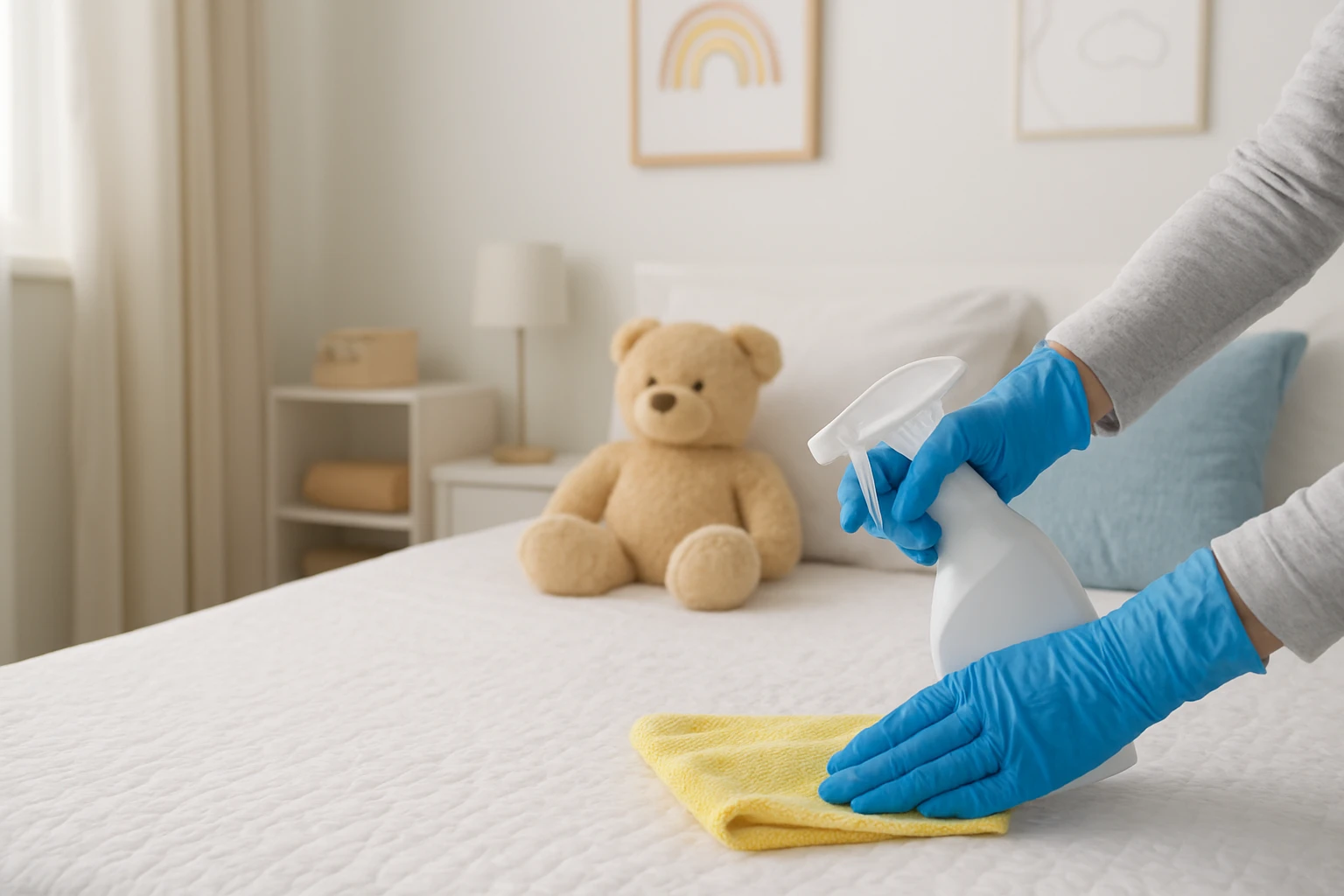
After the bedding is removed, vacuum the mattress surface using a HEPA‑filtered attachment. Move the vacuum head slowly to lift embedded dust mites and their feces, which are common eczema triggers. Follow the vacuuming with a light mist of a diluted white‑vinegar solution (one part vinegar to four parts water) to neutralize allergens without leaving a strong scent.
If the mattress is not already protected, a waterproof pillow protector can also be used on the mattress surface. The Utopia Zippered Pillow Protectors provide a TPU‑coated, breathable barrier that is both waterproof and dust‑mite‑proof. Priced at $12.99 for a set of four, they have a 4.6‑star rating from more than 46,800 reviewers, and the zippered design eliminates gaps where allergens could enter. The soft knitted polyester jersey fabric feels quiet and comfortable, which is essential for a child who may be sensitive to crinkling noises.
Step 3: Clean and Refresh All Soft Surfaces
All soft toys, curtains, and upholstered chairs should be laundered or spot‑cleaned using a gentle, fragrance‑free detergent. For items that cannot be machine‑washed, use a microfiber cloth lightly dampened with the vinegar solution to wipe surfaces, then allow them to air dry completely before returning them to the room.
Children with eczema benefit from pillows that balance softness with gentle support. The Utopia Toddler Pillow Set includes two 13 × 18‑inch pillows made from a polycotton blend with a 250‑thread‑count cover. Priced at $17.89 and rated 4.7 stars by over 22,500 reviewers, these pillows provide the ideal combination of breathability and firmness to reduce overheating, a known eczema trigger. The removable cover can be spot‑cleaned or hand‑washed, ensuring ongoing hygiene.
Step 4: Sanitize Hard Surfaces and Air Quality
Wipe down nightstands, dressers, and any wooden or plastic furniture with a solution of mild dish soap and warm water. Rinse with a clean damp cloth and dry thoroughly to prevent moisture buildup, which can encourage mold growth. Consider using an air purifier with a HEPA filter in the bedroom to continuously capture airborne allergens.
While no specific product from the list is required for this step, the overall reduction of dust and moisture complements the protective functions of the previously mentioned encasements and pillow protectors. Maintaining a stable humidity level (40‑50 %) further minimizes skin irritation.
Step 5: Reassemble the Bed with Clean Materials
Once all components are dry, place the SureGuard Full Box Spring Encasement over the box spring, ensuring the zipper is fully closed to create an airtight barrier. Next, position the mattress protector (if used) and then lay fresh, fragrance‑free sheets on the mattress.
Arrange the two Utopia Toddler Pillow Set pillows on the bed, followed by the Utopia Zippered Pillow Protectors covering each pillow. This layered approach maintains a clean, breathable sleeping surface while protecting against spills, allergens, and bed bugs. Finally, add a lightweight, breathable blanket that does not trap heat.
Tips & Pro Tips
- Perform this deep clean at the start of each season to align with changes in temperature and humidity.
- Use a laundry sanitizer approved for sensitive skin when washing bedding to eliminate hidden microbes.
- Rotate the mattress every three months to promote even wear and reduce pressure points that can aggravate eczema.
- Replace pillow protectors and mattress encasements every two to three years, as the waterproof layers can degrade over time.
- Maintain a nightly routine of wiping the child's face with a soft, damp cloth to remove sweat and allergens before bedtime.
Troubleshooting
Problem: The waterproof pillow protector feels too warm.
Solution: Choose a protector made from breathable TPU‑coated fabric, such as the Utopia Zippered Pillow Protectors, and ensure the bedroom temperature remains within the recommended range (68‑72 °F).
Problem: The box spring encasement zipper catches or sticks.
Solution: Align the zipper teeth carefully before pulling, and if resistance persists, apply a small amount of silicone‑based lubricant to the zipper pull to smooth operation.
Conclusion
By following this comprehensive seasonal deep‑clean checklist, one can effectively eliminate common eczema triggers from a child's bedroom. The recommended tools – a waterproof box spring encasement, breathable toddler pillows, and zippered pillow protectors – provide lasting protection while maintaining comfort. Consistent cleaning, proper humidity control, and regular replacement of protective barriers will keep the skin calm and reduce the frequency of flare‑ups. Parents are encouraged to adopt this routine each season for optimal skin health.
Products Mentioned in This Guide
Frequently Asked Questions
Why should I use a HEPA‑filter vacuum when cleaning a child's bedroom with eczema?
A HEPA filter captures microscopic dust mites and pollen that can trigger eczema flare‑ups, keeping airborne allergens to a minimum.
What type of laundry detergent is safest for washing bedding for kids with eczema?
Choose a fragrance‑free, dye‑free detergent formulated for sensitive skin and use a gentle cycle to avoid irritation.
How often should I replace pillow and mattress covers for an eczema‑prone child?
Replace protective covers every 6‑12 months, or sooner if they become stained or worn, to maintain a barrier against allergens.
Can I use white vinegar as a cleaning solution on bedroom surfaces?
Yes, diluted white vinegar is a non‑abrasive, fragrance‑free cleaner that safely removes residue without irritating sensitive skin.
What is the best way to wash and dry stuffed toys to reduce eczema triggers?
Place toys in a mesh bag, wash on a gentle cycle with fragrance‑free detergent, and tumble dry on low heat or air‑dry to prevent mold growth.