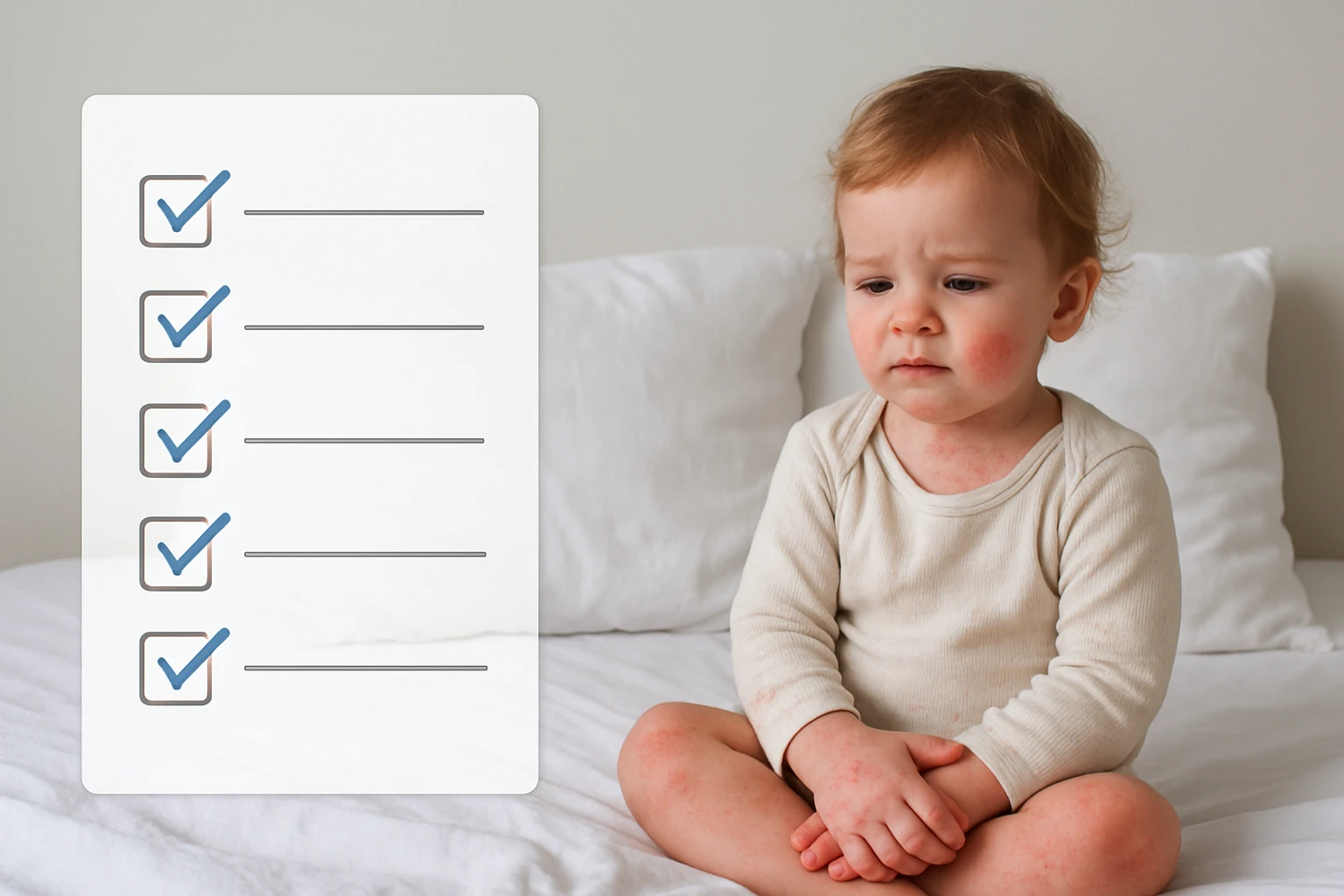

Safe Used Bedding for Children with Eczema: The Ultimate Parents' Guide and Practical Checklist
Introduction
Parents of children who suffer from eczema understand that the skin barrier is fragile and that everyday items can either soothe or aggravate symptoms. This guide explains how to evaluate used bedding, select hypoallergenic replacements, and maintain a sleep environment that supports skin health. Readers will learn the science behind eczema‑triggering fibers, practical strategies for cleaning, a detailed product recommendation, and a step‑by‑step checklist that can be applied immediately.
Background and Context
Eczema, or atopic dermatitis, is a chronic inflammatory condition characterized by dry, itchy patches that can become infected if scratched. The condition is often exacerbated by irritants such as harsh detergents, synthetic fibers, and dust mites. Because children spend a large portion of their lives in bed, the bedding they use plays a pivotal role in either controlling flare‑ups or perpetuating them. Understanding the relationship between fabric composition, weave density, and chemical treatments is essential before making any purchase.
Key concepts that underpin safe bedding selection include:
- Fiber type: Natural fibers like organic cotton and bamboo are generally less likely to irritate sensitive skin than synthetic polyester blends.
- Weave tightness: A tighter weave reduces dust‑mite colonization and limits the passage of allergens.
- Certifications: OEKO‑TEX Standard 100 and GOTS certifications verify that textiles are free from harmful chemicals.
- Care instructions: Bedding that tolerates hot water washes and quick drying helps maintain hygiene without damaging the fibers.
Understanding Eczema‑Friendly Fabrics
When evaluating used bedding, the first question should be whether the fabric composition is compatible with a compromised skin barrier. Synthetic microfiber, when double‑brushed, can feel exceptionally soft while still offering a low‑pilling surface that reduces friction against the skin. However, not all polyester fabrics are created equal; the presence of chemical finishes can trigger reactions.
Natural fibers such as 100% organic cotton provide breathability and moisture‑wicking properties, allowing sweat to evaporate rather than remain on the skin. Bamboo viscose, derived from renewable sources, possesses inherent antimicrobial qualities that can further limit bacterial growth.
In addition to fiber type, the finishing process matters. Fabrics that are OEKO‑TEX certified have been tested for harmful substances, making them a reliable choice for children with eczema. The certification ensures that no formaldehyde, heavy metals, or azo dyes are present, all of which can provoke contact dermatitis.
Choosing Safe Used Bedding
When acquiring used bedding, parents should follow a rigorous inspection protocol:
- Verify the label for exact fiber composition and any certifications.
- Inspect the fabric for signs of wear, pilling, or discoloration that could harbor allergens.
- Ask the previous owner about the washing history, including detergent type and water temperature.
- Perform a pre‑use sanitization cycle using a hot water wash (minimum 140°F) with a fragrance‑free, dye‑free detergent.
- Dry the items on a high heat setting for at least 30 minutes to eradicate dust mites.
If any of these steps reveal uncertainty, it is advisable to replace the item with a new, certified product.
Selecting the Right Bedding Set for Children with Eczema
For many families, purchasing a complete sheet set simplifies the process of creating a consistent, eczema‑friendly sleep surface. The Cathay Home Blush Sheet Set meets several critical criteria for sensitive skin:
- Material: 100% microfiber polyester, double‑brushed for a plush, skin‑gentle feel.
- Certification: OEKO‑TEX certified, confirming the absence of harmful chemicals.
- Design: Wrinkle‑resistant and fade‑resistant, reducing the need for frequent ironing that can degrade fiber integrity.
- Fit: Fully elasticized fitted sheet accommodates mattresses 10"–14" thick, ensuring a snug, secure fit that prevents bunching and friction.
- Care: Machine washable in cold water with like colors; quick‑drying property minimizes prolonged moisture exposure.
- Customer Feedback: 4.6 out of 5 stars based on 4,251 reviews, indicating high satisfaction among parents who prioritize softness and durability.
- Price: $23.99 for a full‑size, 4‑piece set, offering an affordable entry point for families on a budget.
While microfiber is synthetic, the double‑brushed finish mimics the softness of natural fibers without the chemical residues that are often associated with lower‑quality polyester. The OEKO‑TEX certification provides an extra layer of reassurance that the sheets are safe for eczema‑prone children.
Comparison and Selection Guide
| Feature | Cathay Home Blush Sheet Set | Organic Cotton Sheet Set (Typical) | Bamboo Viscose Sheet Set (Typical) |
|---|---|---|---|
| Fiber Type | 100% Microfiber Polyester (double‑brushed) | 100% Organic Cotton | 100% Bamboo Viscose |
| OEKO‑TEX Certified | Yes | Often (varies by brand) | Often (varies by brand) |
| Breathability | Moderate – engineered to wick moisture | High – natural airflow | High – inherent moisture management |
| Price (per set) | $23.99 | $70‑$120 | $80‑$130 |
| Care Simplicity | Machine wash cold, quick dry | Warm wash, low heat dry recommended | Cold wash, air dry preferred |
| Durability (years) | 5‑7 with proper care | 3‑5 | 3‑5 |
The table illustrates that the Cathay Home Blush Sheet Set provides a cost‑effective blend of softness, safety, and durability. For families seeking the utmost breathability, organic cotton or bamboo may be preferable, but they typically require higher investment and more delicate care.
Best Practices & Tips for Maintaining an Eczema‑Friendly Bed
Beyond selecting the right sheets, ongoing maintenance is crucial. The following checklist can be incorporated into a weekly routine:
- Wash all bedding in water at least 140°F (60°C) once weekly using a fragrance‑free, dye‑free detergent.
- Replace pillowcases every two weeks; they are in direct contact with the face and can accumulate oils.
- Vacuum the mattress surface with a HEPA‑rated vacuum to remove dust mites and pet dander.
- Use a mattress protector that is also OEKO‑TEX certified and breathable.
- Rotate the mattress 180° every six months to promote even wear.
- Keep bedroom humidity between 40% and 60% to discourage dust‑mite proliferation.
When traveling, bring a lightweight, hypoallergenic sheet pack such as the Cathay Home set. Its wrinkle‑resistant nature means it can be folded compactly and still provide a familiar, soothing surface for the child.
Frequently Asked Questions
- Can synthetic microfiber be safe for eczema? Yes, when the fabric is double‑brushed and OEKO‑TEX certified, it lacks the harsh chemicals that commonly trigger irritation.
- How often should bedding be changed? For children with eczema, a full wash every week and a complete replacement of sheets every 12‑18 months is advisable.
- Do I need a separate pillow for my child? A hypoallergenic pillow with a washable, breathable cover reduces allergen buildup and provides consistent support.
- Are there specific detergents that work best? Choose detergents labeled “free & clear,” “hypoallergenic,” or “for sensitive skin.” Avoid fragrances, dyes, and optical brighteners.
- What temperature should I set my dryer to? Use a high‑heat setting for at least 30 minutes to kill dust mites, but ensure the fabric’s care label permits it.
- Is it necessary to use a mattress protector? Yes; a breathable, certified protector adds a barrier against allergens while allowing moisture to escape.
- Can I use fabric softener? No; fabric softeners leave residues that may irritate eczema‑prone skin.
Conclusion
Creating a safe sleep environment for children with eczema requires a combination of informed fabric selection, diligent hygiene practices, and strategic product choices. The Cathay Home Blush Sheet Set exemplifies a budget‑friendly option that meets safety standards, offers lasting softness, and simplifies care. By following the checklist and best‑practice guidelines outlined in this guide, parents can significantly reduce eczema flare‑ups and promote restful, skin‑healthy sleep for their children.
Products Featured in This Guide
Cathay Home Blush Sheet Set
Price: $23.99
Rating: 4.6/5 (4,251 reviews)
Why featured: OEKO‑TEX certified, double‑brushed microfiber for softness, wrinkle‑resistant, easy‑care, and budget‑friendly – all essential qualities for children with eczema.