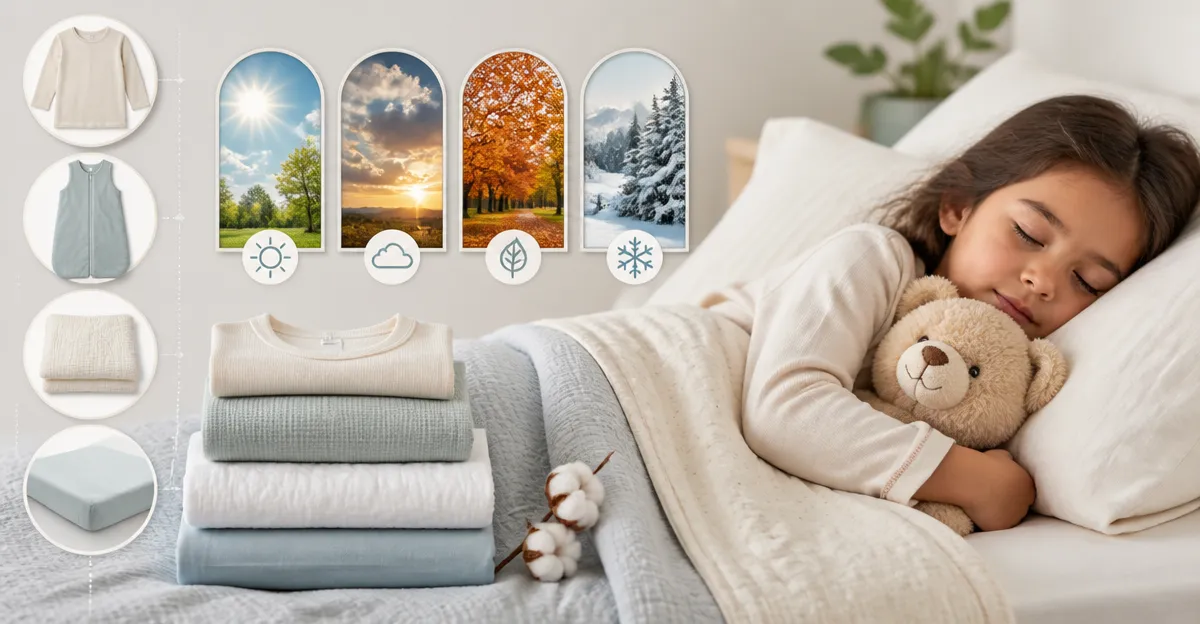
Layering Sleep Systems for Kids with Eczema in Changing Climates
Introduction
Children who experience eczema require a sleep environment that balances warmth, breathability, and skin‑friendly materials. This guide explains how to construct a layered sleep system that adapts to seasonal temperature shifts while minimizing flare‑ups. Readers will learn foundational skin‑care concepts, practical layering strategies, and product recommendations that support healthy sleep. By the end of the article, parents will be equipped to select and combine garments that keep their child comfortable throughout the year.
Background and Context
Eczema, also known as atopic dermatitis, is characterized by a compromised skin barrier and heightened sensitivity to irritants. Moisture loss and overheating are common triggers that can intensify itching and inflammation. In colder climates, insufficient insulation may lead to dry skin, whereas in hot, humid conditions excessive heat can cause sweating and bacterial growth. Understanding the science behind thermoregulation and moisture‑wicking fabrics is essential for designing an effective sleep system.
Key terminology includes:
- Thermal conductivity: the ability of a material to transfer heat; low conductivity materials retain warmth.
- Moisture‑wicking: the process by which fabrics draw sweat away from the skin to the outer surface.
- Breathability: the capacity of a textile to allow air circulation, reducing heat buildup.
When these principles are applied thoughtfully, parents can reduce the frequency of eczema flare‑ups during sleep.
Core Layering Strategies
1. Base Layer – Soft, Organic Cotton
The base layer should sit directly against the skin and therefore must be gentle, hypoallergenic, and free of harsh dyes. Organic cotton offers natural softness, high absorbency, and a low risk of chemical irritation. It also provides a modest degree of warmth without trapping excess heat.
Burt's Bees Baby Organic Toddler Pajamas exemplify these qualities. Priced at $17.56, they feature high‑recovery rib cotton that moves with the child, hand‑painted watercolor prints for visual appeal, and stretchy ribbed cuffs that prevent the fabric from shifting during restless nights. With a rating of 4.8/5 from 4,763 reviews, parents praise their durability and comfort.
2. Mid Layer – Bamboo Viscose for Moisture Management
Bamboo viscose blends combine natural breathability with superior moisture‑wicking properties. The fibers are naturally antibacterial, which helps keep the skin free from irritant‑producing microbes. Mid layers should be lightweight enough for summer use yet provide a modest insulating effect when layered with a blanket.
Jimonda Bamboo Toddler Pajama Set delivers these benefits in a four‑piece configuration. At $21.65, the set includes long‑sleeve tops and matching pants, each constructed from a bamboo‑rayon blend that feels silky against sensitive skin. The product holds a 4.9/5 rating from 100 reviews, indicating strong satisfaction among caregivers who value its softness and temperature regulation.
3. Outer Layer – Breathable Knit or Lightweight Blanket
The outermost layer provides additional warmth during cold nights while still allowing air exchange. Natural knit fabrics such as merino wool or cotton blends are ideal because they regulate temperature and resist static cling. For families in humid regions, a lightweight, breathable blanket made from organic cotton can prevent overheating.
While the guide does not recommend a specific blanket, parents should look for certifications such as GOTS (Global Organic Textile Standard) to ensure organic content and low chemical exposure.
4. Seasonal Adjustments – Swappable Sleeves and Pants
Many toddler sleep sets include detachable sleeves or convertible pants, enabling quick adaptation to temperature changes. In spring and autumn, a short‑sleeve top paired with the same bottom can provide balanced comfort. During winter, adding a long‑sleeve layer beneath the base pajamas adds insulation without sacrificing skin safety.
JunNeng Bamboo Toddler PJs offer both short‑sleeve and long‑sleeve options within a single four‑piece set. Priced at $33.99, the set includes stripe and solid designs, a snug fit, and breathable bamboo viscose fabric. With a rating of 4.7/5 from 24 reviews, it is praised for its lightweight feel and suitability for warm climates.
5. Budget‑Friendly Alternative – Cotton‑Blend Short‑Sleeve Set
For families seeking an economical yet effective solution, a cotton‑blend short‑sleeve set can serve as a base layer during hot months. The fabric should be pre‑shrunk to avoid irritation from shrinking during washes.
The Children's Place Boys 2‑Piece Short‑Sleeve PJs meet this criterion at $10.41. The set includes a top and shorts, both made from soft cotton with an elastic waistband for a secure fit. With a 4.7/5 rating from 2,115 reviews, it is recognized for its affordability and comfort.
Comparison and Selection Guide
The following table assists caregivers in matching product attributes to specific climate and skin‑care needs. Consider the child's age, typical bedroom temperature, and known irritants when selecting a combination.
| Product | Material | Best Climate | Key Eczema‑Friendly Feature | Price |
|---|---|---|---|---|
| Burt's Bees Baby Organic Toddler Pajamas | Organic cotton (high‑recovery rib) | Cool to moderate | Encased elastic waistband, stay‑put cuffs, no harsh dyes | $17.56 |
| Jimonda Bamboo Toddler Pajama Set | Bamboo‑rayon blend | Variable; excels in humid conditions | Natural antibacterial properties, excellent moisture‑wicking | $21.65 |
| JunNeng Bamboo Toddler PJs | Bamboo viscose | Warm and mild | Lightweight, breathable, short‑ and long‑sleeve options | $33.99 |
| The Children's Place Boys 2‑Piece Short‑Sleeve PJs | Cotton blend | Hot summer nights | Soft, elastic waist, budget‑friendly | $10.41 |
When choosing a set, prioritize organic or bamboo fabrics for children with sensitive skin. Evaluate the climate by checking average nighttime temperatures; add a mid‑layer for temperatures below 65°F (18°C) and remove it when above 75°F (24°C). Always verify that seams are flat‑locked or covered to avoid friction that can aggravate eczema.
Best Practices & Tips
- Wash all sleepwear in a fragrance‑free, dye‑free detergent before first use to eliminate residual chemicals.
- Dry on a low‑heat setting or air‑dry to preserve fabric softness and prevent shrinkage that may cause tight seams.
- Apply a thin layer of a pediatric‑approved moisturizer immediately after bathing and before dressing the child.
- Rotate pajamas every 2–3 nights to allow the skin to breathe and reduce bacterial buildup.
- Maintain bedroom humidity between 40% and 60% using a humidifier in dry winter months.
- Inspect clothing for loose threads or rough tags; trim or cover them to avoid scratching.
Frequently Asked Questions
1. Can I use synthetic fabrics for my child’s sleepwear?
Synthetic fibers such as polyester can trap heat and moisture, increasing the risk of eczema flare‑ups. They are generally not recommended for children with sensitive skin unless the garment is specifically engineered for moisture‑wicking and breathability.
2. How often should I replace my child’s pajamas?
Replace pajamas when they become threadbare, develop pilling, or lose elasticity in cuffs and waistbands. For most children, this occurs after 12 to 18 months of regular use.
3. Is it safe to use fabric softeners with eczema‑friendly pajamas?
Fabric softeners often contain fragrances and chemicals that can irritate compromised skin. It is safest to avoid them and rely on a gentle detergent instead.
4. What temperature range is ideal for a child with eczema?
Maintain a bedroom temperature between 65°F and 70°F (18°C–21°C). This range minimizes sweating while providing enough warmth to prevent skin dryness.
5. Are hand‑painted prints safe for eczema‑prone skin?
Hand‑painted prints that use water‑based, non‑toxic inks, such as those on the Burt's Bees set, are generally safe. Always check the product description for confirmation of low‑impact dyes.
6. Should I layer multiple base layers?
Layering two base layers can increase friction and restrict airflow, which may aggravate eczema. A single, well‑chosen base layer combined with a breathable mid layer is usually sufficient.
7. How can I tell if a pajama set is truly organic?
Look for certifications such as GOTS or USDA Organic. These labels guarantee that the cotton was grown without synthetic pesticides and processed without harmful chemicals.
Conclusion
Creating a layered sleep system for children with eczema requires careful selection of materials, attention to climate, and consistent skin‑care routines. By prioritizing organic cotton and bamboo fabrics, using moisture‑wicking mid layers, and adjusting garments to seasonal temperatures, parents can dramatically reduce nighttime irritation. The product recommendations provided illustrate how high‑quality, affordable options can be integrated into a flexible system that supports healthy sleep year‑round.
Products Featured in This Guide
Burt's Bees Baby Organic Toddler Pajamas
Price: $17.56 | Rating: 4.8/5 (4,763 reviews)
Featured for its ultra‑soft organic cotton, stretch‑rib cuffs, and hand‑painted prints that provide a skin‑friendly, durable base layer.
Jimonda Bamboo Toddler Pajama Set
Price: $21.65 | Rating: 4.9/5 (100 reviews)
Featured for its bamboo‑rayon blend that offers natural antibacterial and moisture‑wicking properties, ideal for humid climates.
JunNeng Bamboo Toddler PJs
Price: $33.99 | Rating: 4.7/5 (24 reviews)
Featured for its lightweight bamboo viscose construction, offering both short‑ and long‑sleeve options for adaptable warmth.
The Children's Place Boys 2‑Piece Short‑Sleeve PJs
Price: $10.41 | Rating: 4.7/5 (2,115 reviews)
Featured as an affordable, breathable cotton‑blend option for hot weather, providing a comfortable base without excess cost.
Frequently Asked Questions
What fabrics are best for a kid's eczema‑friendly sleep layer?
Choose breathable, moisture‑wicking, and hypoallergenic fabrics like organic cotton, bamboo, or Tencel that keep skin dry without trapping heat.
How can I adjust a sleep system for seasonal temperature changes?
Add or remove lightweight layers such as a cotton onesie, a fleece blanket, or a breathable sleep sack, swapping them as temperatures rise or fall.
Why is thermoregulation important for children with eczema?
Proper thermoregulation prevents overheating and excessive dryness, both of which can trigger itching and flare‑ups.
Can a sleep sack replace blankets for kids with eczema?
Yes, a well‑ventilated sleep sack provides consistent coverage while allowing airflow, reducing the need for loose blankets that may bunch and irritate skin.
What simple skin‑care steps should accompany a layered sleep system?
Apply a fragrance‑free moisturizer right after bathing and before dressing, and keep the bedroom humidity between 40‑60% to maintain skin hydration.