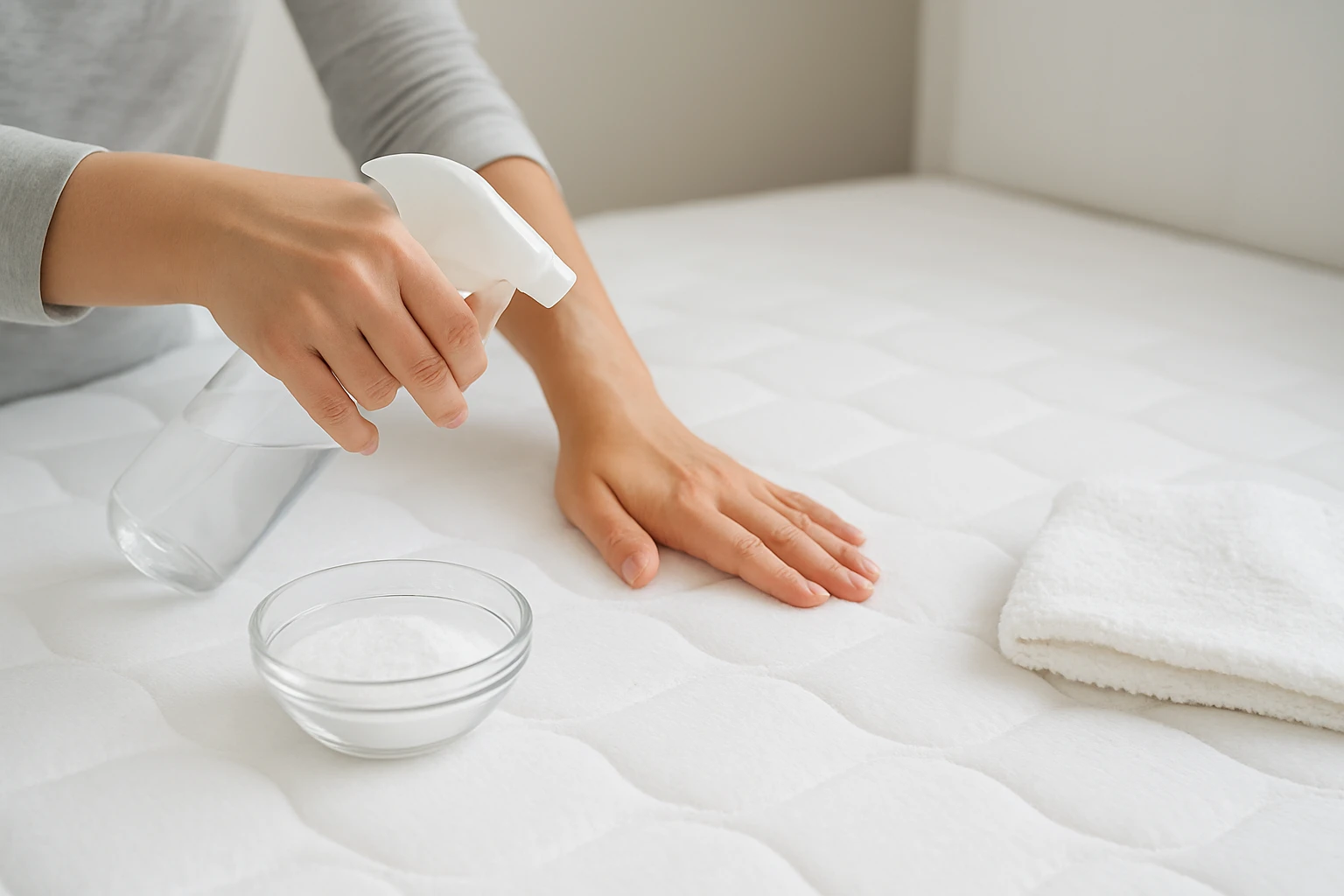
How to Sanitize Your Mattress Without Harsh Chemicals: Non‑Toxic, Eczema‑Safe Methods
Introduction
One will learn a systematic approach to cleaning and sanitizing a mattress while avoiding harsh chemicals that can aggravate eczema or other sensitivities. The guide emphasizes non‑toxic solutions, practical tools, and evidence‑based techniques that protect both health and sleep quality. Readers will understand how to remove stains, eliminate allergens, and maintain a fresh sleeping surface using everyday items and carefully selected products. The information is valuable because a clean mattress contributes to overall well‑being and can reduce respiratory and skin irritation.
What You’ll Need
- The Pink Stuff Carpet Stain Remover – $8.37, 4.4/5 rating
- CFBF Mattress Vacuum – $55.99, 4.3/5 rating
- PATO Wireless Mattress Vacuum – $41.99, 4.3/5 rating
- Geode Mattress Cleaner – $24.98, 4.4/5 rating
- Routade Mite Repellent Pouches – $23.91, 5/5 rating
- Soft brush, clean white microfiber cloth, spray bottle, mild baking soda, distilled water
Step 1: Remove Surface Debris and Vacuum the Mattress
Begin by stripping the bed of all linens and allowing the mattress to air for a few minutes. Use a soft brush to loosen dust, skin flakes, and hair from the surface, then employ a vacuum to extract the particles. For optimal results, the CFBF Mattress Vacuum provides 16 KPA suction, UV‑C light, and a 140 °F heating element that destroys dust mites, bacteria, and allergens while preventing re‑contamination. Its dual‑cup filtration system captures 99.99 % of particles, ensuring that the air expelled is clean and safe for sensitive skin.
After vacuuming, inspect the mattress for any visible stains or spills that require targeted treatment. This step establishes a clean baseline and prevents the spread of contaminants during subsequent cleaning phases. The combination of mechanical removal and UV‑C disinfection creates a healthier environment for individuals prone to eczema.
Step 2: Treat Stains with a Non‑Toxic Foaming Cleaner
Identify any localized stains such as wine, coffee, or body oils. Apply a modest amount of The Pink Stuff Carpet Stain Remover directly onto the affected area; the foaming Oxi formula penetrates deep into fibers, breaking down organic compounds without harsh solvents. The product is color‑safe, meaning it will not discolor the mattress fabric while eliminating odors with its fresh rhubarb scent.
Allow the foam to sit for three to five minutes, then gently blot with a clean white microfiber cloth. Repeat the process if necessary, but avoid over‑saturating the mattress, as excess moisture can promote mold growth. The stain remover’s enzymatic action neutralizes allergens that may trigger eczema flare‑ups.
Step 3: Apply an Enzyme‑Based Freshening Spray
For overall freshness and odor control, spray a light mist of Geode Mattress Cleaner across the entire surface. The enzyme blend dismantles residual body oils, sweat, and microbial proteins, converting them into harmless by‑products. The lavender‑infused formula leaves a soothing scent that can calm irritated skin and promote restful sleep.
Hold the spray bottle approximately twelve inches from the mattress and apply an even coating. Allow the mattress to air dry completely; the natural enzymes continue to work during the drying period, ensuring a deep clean without the need for rinsing. This step is especially beneficial for individuals with chemical sensitivities because it avoids synthetic fragrances and harsh chemicals.
Step 4: Disinfect with UV‑C Light and Heat
If a handheld UV‑C device is unavailable, the PATO Wireless Mattress Vacuum offers an integrated UV‑C lamp that eliminates up to 99.9 % of allergens while the 12 KPA suction removes loosened debris. Its cordless design allows easy maneuvering around the mattress edges and headboard. The high‑frequency vibrations loosen stubborn particles, enabling the vacuum to capture them efficiently.
Run the device slowly over the entire mattress surface for two to three minutes, ensuring that the UV‑C light reaches all areas. The combination of ultraviolet disinfection and gentle heat reduces microbial load without introducing chemicals. This method is ideal for households with eczema sufferers because it minimizes exposure to irritants.
Step 5: Protect the Mattress with Natural Mite Repellent
Place Routade Mite Repellent Pouches beneath the mattress and within the bed frame. The essential‑oil blend—featuring cedarwood, clove, lemongrass, and peppermint—creates an environment that repels dust mites and other arthropods without the use of pesticides. Each pouch provides up to thirty days of continuous protection, reducing the need for frequent chemical treatments.
Position one pouch at each corner of the mattress and additional pouches in the headboard, footboard, and any nearby storage spaces. Replace the pouches according to the manufacturer’s recommendation to maintain efficacy. This passive defense strategy supports a long‑term, low‑maintenance approach to a hypoallergenic sleeping surface.
Tips & Pro Tips
- Always test a small, inconspicuous area before applying any cleaning solution to ensure color safety.
- Use distilled water in spray bottles to prevent mineral deposits that could irritate sensitive skin.
- Allow the mattress to dry completely before replacing bedding; a fan can accelerate drying without raising humidity.
- Rotate the mattress every three months to distribute wear and reduce the buildup of allergens.
- Combine vacuuming with a breathable mattress protector to extend the interval between deep cleanings.
Troubleshooting
- Persistent odor after cleaning – Apply an additional light mist of Geode Mattress Cleaner and allow extra drying time; the enzymatic action will continue to break down odor‑causing compounds.
- Stains reappear after drying – Repeat the stain‑removal step with The Pink Stuff Carpet Stain Remover, ensuring the foam fully penetrates the fibers before blotting.
- UV‑C light does not seem to work – Verify that the battery is fully charged and that the lamp is positioned close to the surface; distance reduces effectiveness.
Conclusion
One has now mastered a comprehensive, non‑toxic method for sanitizing a mattress that respects sensitive skin and eliminates common allergens. By following the outlined steps—vacuuming, stain treatment, enzymatic freshening, UV‑C disinfection, and natural mite repellent—one can maintain a healthy sleep environment without resorting to harsh chemicals. Regular maintenance using these techniques will prolong mattress life and support overall wellness. Readers are encouraged to implement the routine and experience the benefits of a truly clean and eczema‑safe sleeping surface.
Products Mentioned in This Guide
Frequently Asked Questions
What non‑toxic ingredients can I use to sanitize my mattress safely for eczema?
Mix equal parts white vinegar and water or use a few drops of tea tree oil in water; both disinfect without irritating sensitive skin.
How often should I sanitize my mattress to keep it allergy‑ and eczema‑friendly?
Aim to deep‑clean and sanitize every 3–6 months, or sooner if you notice stains or increased skin irritation.
Can the Pink Stuff Carpet Stain Remover be used on mattresses without causing irritation?
Yes, its non‑harsh formula is safe for mattresses and eczema‑prone skin when applied sparingly and fully rinsed.
What’s the best way to remove dust mites and allergens without chemicals?
Vacuum the mattress with a HEPA‑filter vacuum like the CFBF Mattress Vacuum, then sprinkle baking soda, let sit 30 minutes, and vacuum again.
Do I need a special mattress vacuum, or can a regular vacuum work?
A regular vacuum with a HEPA filter works, but a dedicated mattress vacuum provides stronger suction and upholstery attachments for deeper cleaning.