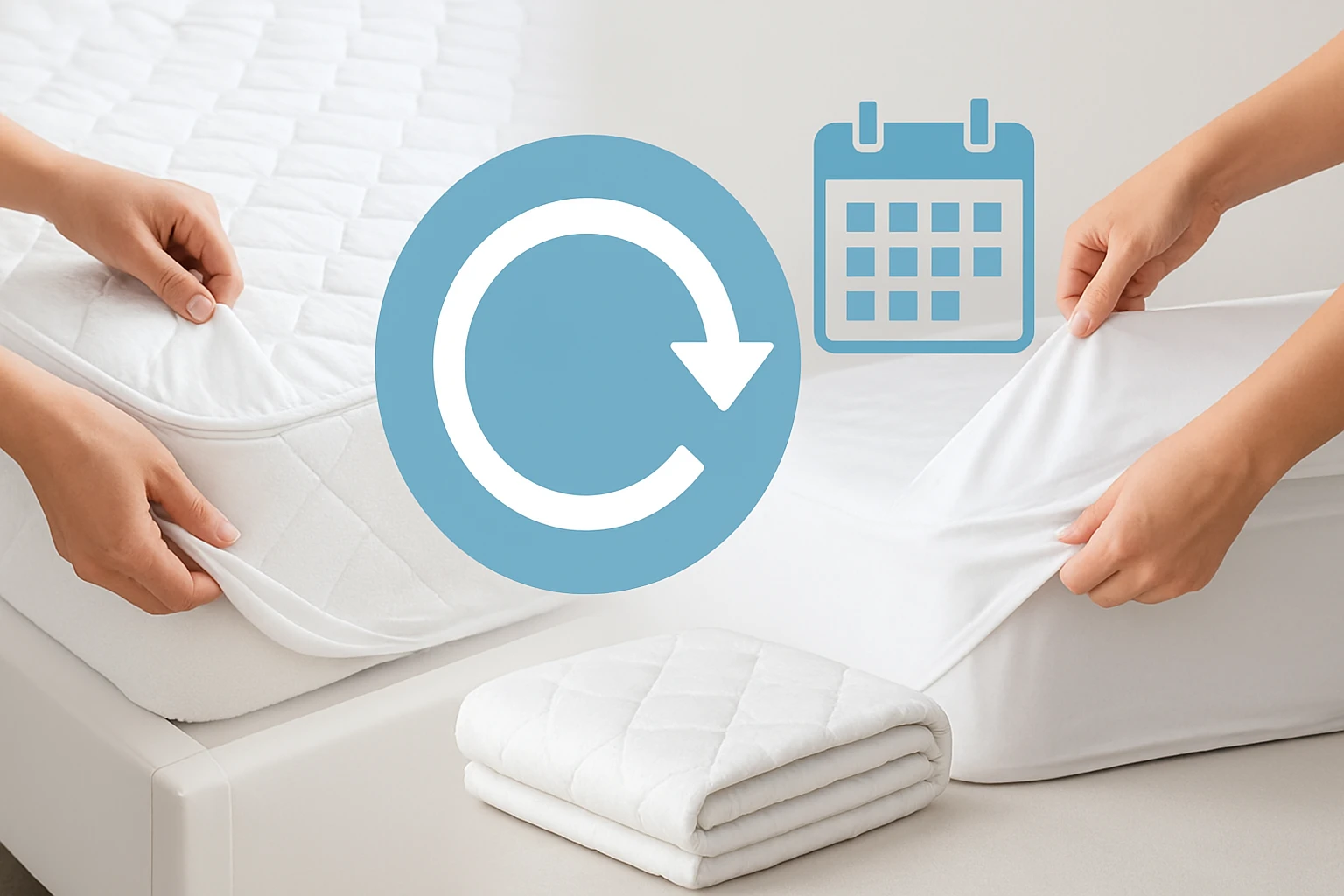
Introduction
One will learn a systematic approach to rotating and replacing mattress protectors in order to minimise allergen accumulation and extend the life of the mattress. The guide explains why regular rotation prevents uneven wear and why timely replacement maintains a barrier against dust mites, pet dander, and accidental spills. By following the schedule, the reader will protect sleep hygiene, reduce the need for costly mattress repairs, and improve overall bedroom comfort. The information is presented in a professional tone that balances accessibility with depth for an intermediate audience.
What You'll Need
- A clean, flat surface for laying the mattress while the protector is removed.
- Vacuum cleaner with a HEPA filter to remove dust from the mattress surface.
- Optional cleaning solution that is safe for fabric and foam.
- One of the recommended waterproof mattress protectors to serve as the replacement tool.
Each recommended protector is linked below for convenient purchase, although the steps can be completed with any comparable product.
Step 1: Remove the Existing Protector
The first step is to detach the current protector from the mattress. One should start at one corner, gently lift the elastic skirt, and pull the protector away to avoid tearing the fabric. If the protector is stuck due to static, a light mist of water can help release it without compromising the mattress. This step prepares the mattress for a thorough cleaning and ensures that the new protector will fit without obstruction.
Step 2: Clean and De‑dust the Mattress
After removal, the mattress surface must be vacuumed using a HEPA‑equipped vacuum to capture microscopic allergens. One should move the vacuum head slowly across the entire surface, paying special attention to seams and edges where dust tends to accumulate. For stains or perspiration marks, a mild fabric‑safe cleaning solution can be applied with a soft cloth, allowing the mattress to air‑dry completely before the next step. This deep cleaning reduces allergen load and creates a fresh base for the new protector.
Step 3: Rotate the Mattress
Rotating the mattress every three months distributes wear evenly and prevents sagging in high‑use areas. One should flip the mattress 180 degrees, aligning the headboard side with the footboard side, and if the mattress is double‑sided, also reverse the top and bottom surfaces. This practice also disrupts dust mite colonies that may have settled in a single orientation. Document the rotation date in a calendar to maintain a consistent schedule.
Step 4: Install a New Waterproof Mattress Protector
Choosing the appropriate protector depends on mattress size, depth, and personal comfort preferences. For a full‑size bed, the SpringSpirit Full Waterproof Mattress Protector offers a noiseless, skin‑friendly surface with a premium TPU layer that blocks liquids while allowing breathability. Priced at $9.99 and rated 4.4 out of 5 stars by 4,484 reviewers, it includes deep pockets up to 14 inches, ensuring a secure fit on most full mattresses.
For queen‑size beds, the Bedlore Queen Waterproof Mattress Protector provides a 100% waterproof TPU coating, a soft microfiber top layer, and a 360° deep‑pocket design that accommodates mattresses up to 18 inches thick. At $36.88 with a 4.7 rating from 2,368 reviewers, it is especially suitable for households with pets or incontinence concerns due to its superior liquid barrier.
For twin beds, the Unilibra Twin Waterproof Mattress Protector delivers OEKO‑TX certified fabric, a 100% waterproof TPU layer, and a deep‑pocket fit up to 19 inches. Priced at $22.46 and holding a 4.6 rating from 12,136 reviewers, it is ideal for families with young children who require frequent changes and machine washing.
For those seeking premium cooling performance, the Gopoony Queen Premium Waterproof Mattress Protector features a 3D air fabric that enhances airflow, a soft fiber surface, and an 18‑inch deep pocket that fits mattresses up to 21 inches. At $26.99 and rated 4.6 by 16,932 reviewers, it balances waterproof protection with temperature regulation, making it suitable for hot sleepers.
Each protector is machine‑washable, noiseless, and designed with elastic skirts that stay in place during sleep, thereby preserving the mattress integrity and preventing allergen exposure.
Step 5: Establish a Replacement Schedule
Even the highest‑quality protectors degrade over time due to repeated washing and wear. One should replace a full‑size protector such as the SpringSpirit model every 12 to 18 months, while queen‑size protectors like Bedlore and Gopoony may last 18 to 24 months due to thicker materials. Twin‑size protectors from Unilibra often require replacement after 12 months if used in high‑moisture environments.
Mark the purchase date on the product packaging and set calendar reminders for the anticipated replacement window. When the protector shows signs of thinning, loss of elasticity, or persistent odors, it is time to retire it. Maintaining this schedule ensures continuous allergen control and protects the mattress warranty.
Tips & Pro Tips
- Use a mattress encasement in addition to a protector for maximum dust‑mite barrier; the encasement should be allergen‑certified.
- When laundering protectors, avoid bleach and high heat; tumble dry on low heat to preserve the waterproof TPU layer.
- For households with pets, consider a two‑pack system so a clean protector is always available while the other is being washed.
- Apply a light fabric softener spray after washing to maintain the soft, noiseless feel without compromising waterproofing.
Troubleshooting
Problem: The protector slides off during the night.
Solution: Ensure the mattress depth matches the deep‑pocket specification; if the mattress is thinner, tuck excess fabric under the mattress or use a fitted sheet over the protector to hold it in place.
Problem: The protector makes a crinkling noise.
Solution: Wash the protector on a gentle cycle and tumble dry on low heat to soften the TPU layer; a few washes often reduce noise.
Problem: Stains appear on the mattress despite the protector.
Solution: Verify that the protector is fully sealed and not torn; replace immediately if damage is detected.
Conclusion
One now possesses a complete, actionable schedule for rotating and replacing mattress protectors to achieve effective allergen control. By removing, cleaning, rotating, installing a high‑quality protector, and adhering to a replacement timeline, the reader safeguards sleep health and prolongs mattress lifespan. The recommended products provide reliable waterproof barriers, deep‑pocket fits, and noiseless comfort, each supported by strong customer reviews and competitive pricing. Implementing these practices will result in a cleaner, more comfortable sleeping environment.
Products Mentioned in This Guide
Frequently Asked Questions
How often should I rotate my mattress protector?
Rotate the protector every 3 months to prevent uneven wear and reduce allergen buildup.
When is it time to replace a mattress protector?
Replace it once it shows signs of wear, loss of waterproofing, or after 1‑2 years of regular use.
What tools do I need to rotate and replace a mattress protector?
A clean flat surface, a HEPA‑filter vacuum, and an optional fabric‑safe cleaning solution.
Does rotating the protector help with dust mites?
Yes, regular rotation disrupts dust‑mite habitats and keeps the barrier more effective.
Can I use any waterproof protector as a replacement?
Any comparable waterproof protector works, though recommended models ensure optimal breathability and durability.