
Introduction
First‑aid supplies form an essential component of household safety kits, yet many conventional options contribute to environmental waste. This article compares the FEBU Bamboo Fabric Bandages, a biodegradable alternative, against the expectations set by traditional plastic bandages. By evaluating price, material specifications, customer feedback, and real‑world performance, one can determine whether the eco‑friendly claim translates into practical value. The analysis aims to inform consumers who prioritize sustainability without compromising wound‑care effectiveness.
Individual Product Overview
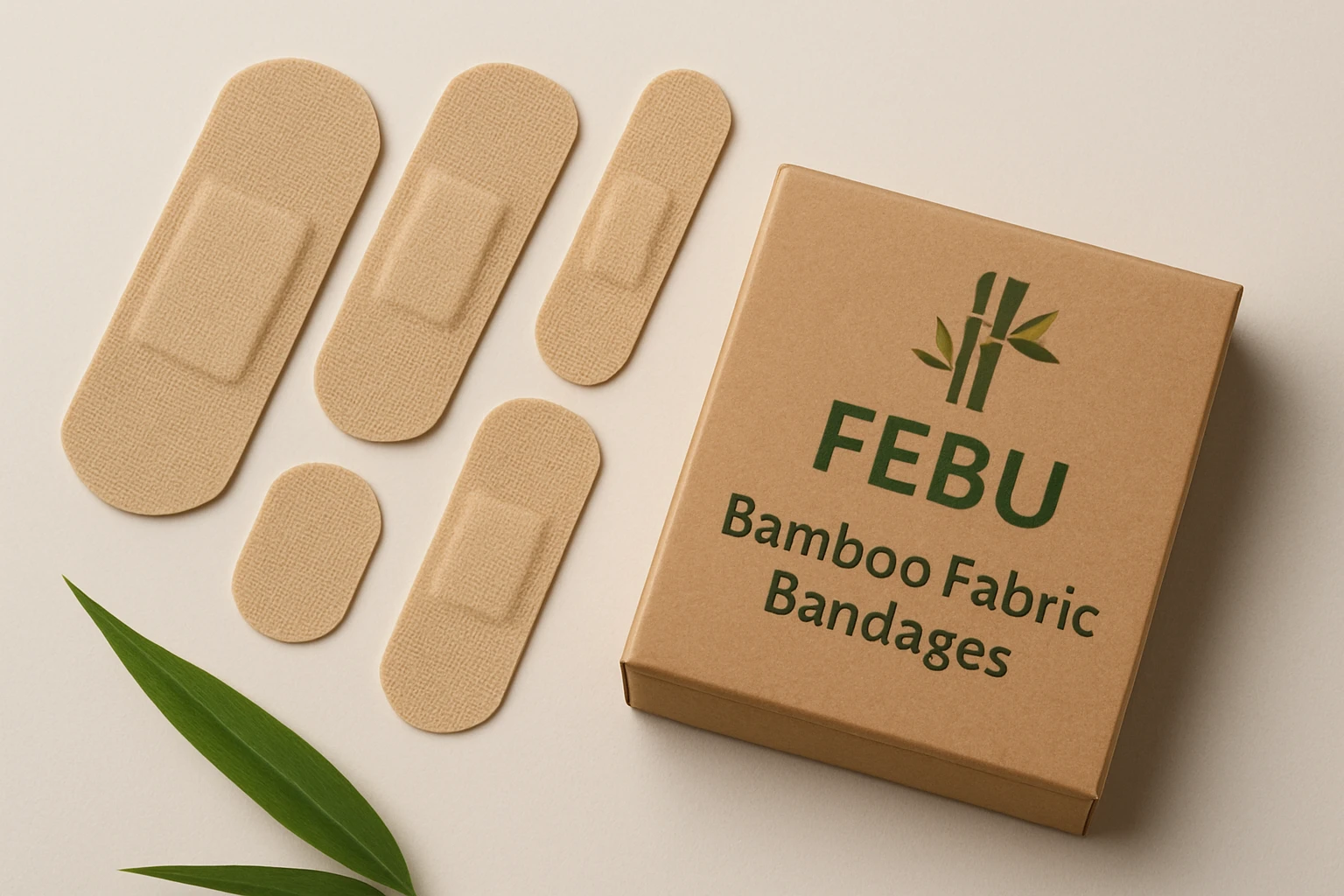
The product under review is FEBU Bamboo Fabric Bandages. Priced at $9.95 for a 75‑count strip pack, the bandages are marketed as latex‑free, PFAS‑free, and fully compostable. They are constructed from 100% viscose derived from natural bamboo fiber, offering a flexible, breathable weave that adheres without peeling. The listing reports a 4.4‑star rating from 3,450 verified reviewers, indicating broad acceptance among users. Key selling points include third‑party testing for chemical safety, hypoallergenic design, and rapid biodegradation compared with conventional plastic‑based strips.
Head‑to‑Head Comparison
Price and Value
At $9.95, the cost per strip equals approximately $0.13, which aligns closely with mid‑range plastic bandage packs that typically range from $0.10 to $0.15 per strip. The added environmental benefit may justify the modest premium for consumers seeking sustainable options. Bulk purchasing could further improve value, although the current packaging provides a convenient 75‑count supply for most home kits.
Features and Specifications
The bandages feature a breathable bamboo fabric that conforms to body movements, reducing the risk of detachment during activity. They are 100% biodegradable, breaking down within weeks rather than persisting for decades. PFAS‑free certification eliminates exposure to persistent chemicals, and the latex‑free composition minimizes allergic reactions for sensitive skin. Each strip measures standard dimensions suitable for everyday cuts and grazes.
Customer Ratings and Feedback
The aggregate rating of 4.4 out of 5 reflects a strong overall sentiment. Reviewers frequently commend the flexibility of the fabric and the comfort during wear. A notable proportion of comments highlight the eco‑friendly packaging and the satisfaction of using a product that decomposes after disposal. Conversely, a minority of users report occasional skin sensitivities, underscoring the importance of a brief patch test before full application.
Performance and Reliability
In practical use, the bamboo fabric maintains adhesion without the common peeling associated with some plastic strips. The breathable weave promotes airflow, potentially reducing moisture buildup and fostering a healthier healing environment. Third‑party testing confirms the absence of PFAS, reinforcing reliability for users concerned about chemical exposure. The bandages have demonstrated consistent performance across a variety of minor injuries, from kitchen cuts to outdoor scrapes.
Best Use Cases
These bandages excel in scenarios where flexibility and comfort are paramount, such as active sports, gardening, or childcare. Their compostable nature makes them ideal for households committed to zero‑waste practices. They also serve well in first‑aid kits for eco‑focused travelers who prefer lightweight, biodegradable supplies. For individuals with known latex allergies, the latex‑free formulation provides a safer alternative.
Comparison Table
| FEBU Bamboo Fabric Bandages | Metric | Value |
|---|---|---|
| Price | $9.95 | 75 strips |
| Material | Bamboo viscose (100%) | Latex‑free |
| Chemical Safety | PFAS‑free | Third‑party tested |
| Biodegradability | Fully compostable | Breaks down in weeks |
| Rating | 4.4 / 5 | 3,450 reviews |
Pros & Cons
FEBU Bamboo Fabric Bandages
- Pros:
- Eco‑friendly: 100% biodegradable and plastic‑free.
- Flexible, breathable fabric reduces peeling.
- Latex‑free and PFAS‑free, suitable for sensitive skin.
- Third‑party testing validates safety claims.
- Competitive price per strip for sustainable product.
- Cons:
- Occasional skin sensitivity reported by a minority of users.
- Packaging does not include a dispenser, requiring manual strip removal.
- Limited availability compared with mass‑market brands.
Recommendations
Consumers seeking a balance between environmental responsibility and reliable wound care should consider FEBU Bamboo Fabric Bandages. They are particularly well‑suited for:
- Eco‑conscious households that prioritize compostable supplies.
- Individuals with latex allergies or heightened chemical sensitivity.
- Active users who need a bandage that moves with the skin.
- Travelers desiring lightweight, low‑waste first‑aid kits.
For users whose primary concern is cost above all else, conventional plastic bandages may offer a marginally lower price per unit, but they lack the sustainability benefits presented here.
FAQ
- Are these bandages truly biodegradable?
- Yes, the bamboo viscose fabric decomposes within weeks under composting conditions, leaving no lasting plastic residue.
- Can people with latex allergies use these bandages safely?
- Absolutely; the product is latex‑free and has been formulated to minimize allergic reactions, although a brief skin test is advisable.
- What does PFAS‑free mean for the user?
- PFAS are persistent chemicals linked to health concerns; being PFAS‑free ensures the bandage does not introduce these substances to the skin.
- How does the adhesive perform compared with standard plastic strips?
- The adhesive adheres firmly without the common peeling associated with many plastic bandages, thanks to the breathable fabric backing.
- Is the pack suitable for professional first‑aid kits?
- While the product meets the basic requirements for civilian first‑aid kits, professional settings may prefer sterile gauze or specialized medical dressings.
- Do the bandages come in different sizes?
- The current offering provides a standard strip size suitable for everyday cuts and grazes; larger or specialty sizes are not listed.
- How should one dispose of used bandages?
- Used strips can be placed in a compost bin where they will break down naturally, or discarded in regular waste if composting is unavailable.
Conclusion
FEBU Bamboo Fabric Bandages deliver a compelling combination of sustainability, comfort, and reliable protection. Their competitive price, high customer rating, and verified chemical safety make them a strong candidate for anyone wishing to reduce plastic waste in their first‑aid supplies. While occasional skin sensitivities may occur, the overall performance justifies the modest premium over conventional options. The final verdict recommends these bandages for eco‑conscious users, active individuals, and households with allergy concerns.
Products Mentioned in This Review
Frequently Asked Questions
Are FEBU Bamboo Fabric Bandages truly biodegradable?
Yes, they are made from 100% viscose bamboo fiber and are certified compostable after use.
Do these bandages contain latex or PFAS chemicals?
No, FEBU bandages are marketed as latex‑free and PFAS‑free for hypoallergenic use.
How does the price of FEBU bandages compare to standard plastic bandages?
At $9.95 for a 75‑count pack, they are slightly higher than basic plastic strips but comparable to other premium eco‑friendly brands.
Will the bamboo fabric affect wound healing or adhesion?
The breathable weave provides flexible adhesion without peeling and is designed to stay moist, supporting normal healing.
Can I use FEBU bandages for children’s minor cuts?
Yes, they are safe for all ages, offering a gentle, non‑irritating option for kids' minor injuries.