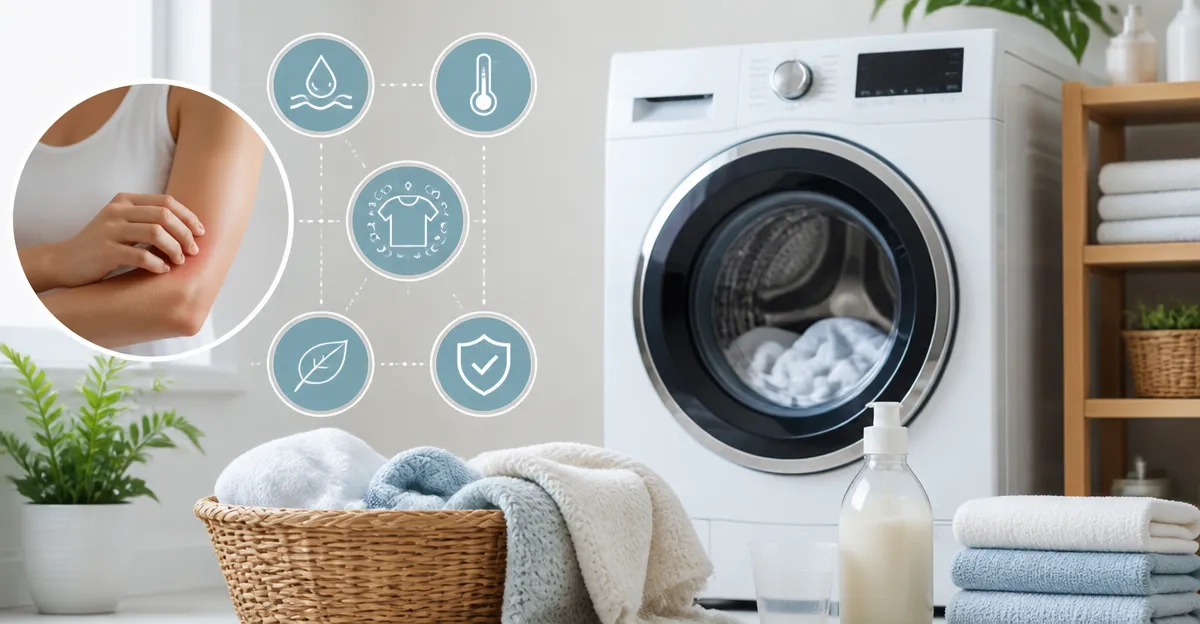
Eczema‑Friendly Laundry: The Ultimate Guide to Washing Machine Features for Sensitive Skin
Introduction
One often overlooks the impact that laundry routines have on skin conditions such as eczema. This guide explains how washing‑machine features influence irritant exposure, outlines essential criteria for selecting a skin‑safe appliance, and presents actionable advice for everyday use. Readers will learn about water temperature control, cycle options, material compatibility, and maintenance practices that reduce allergen buildup. In addition, a product recommendation illustrates how a well‑designed portable washer can meet these requirements without sacrificing convenience.
Background/Context
Eczema is a chronic inflammatory disorder characterized by dry, itchy patches that react to irritants. Detergents, fabric softeners, and residual mineral deposits can exacerbate flare‑ups. The washing process therefore becomes a critical control point. Modern washers offer programmable cycles, temperature settings, and sensor‑driven water levels that can limit residue and preserve fabric softness. Understanding these technical attributes enables one to choose equipment that aligns with dermatological recommendations.
Key Washing‑Machine Features for Sensitive Skin
When evaluating a washing machine for eczema‑prone individuals, consider the following categories:
- Temperature Precision – Cold, warm, and hot settings allow one to select the optimal temperature for detergent dissolution without damaging skin. Warm water (30‑40 °C) typically balances cleaning power and comfort.
- Cycle Variety – Gentle cycles such as Delicate or Quick minimize mechanical agitation, reducing fibre wear and lint that can irritate skin.
- Water‑Level Control – Adjustable water levels ensure sufficient rinsing, preventing detergent residues from remaining in garments.
- Rinse Enhancement – Extra‑rinse options or sensor‑based rinse cycles flush out remaining chemicals, a key factor for eczema management.
- Material of the Drum – Stainless‑steel tubs resist rust and do not leach metals, unlike plastic drums that may harbor allergens.
- Safety and Convenience Features – Auto‑shutoff, child lock, and delay‑start functions add control and prevent accidental misuse.
Each of these attributes contributes to a laundry environment that respects sensitive skin. The following product exemplifies many of these qualities.
Product Recommendation
The BLACK+DECKER Portable Washer integrates temperature selection, six distinct cycles, and a stainless‑steel tub, making it a strong candidate for eczema‑friendly laundry. It accommodates up to 15.4 lb of laundry per load, offers three water‑level choices, and includes an extra‑rinse function via its delayed‑start capability. The transparent lid permits visual monitoring, reducing the need for excessive agitation. With a 4.4‑star rating from 9,193 reviews, users commend its quiet operation and reliable performance.
Comparison/Selection Guide
Choosing the right washer involves matching feature sets to personal priorities. The table below compares essential criteria with the BLACK+DECKER Portable Washer as a reference point.
| Criterion | Importance for Eczema | BLACK+DECKER Portable Washer |
|---|---|---|
| Temperature Control | High – Enables warm rinses without overheating skin. | Cold, Warm, Hot options. |
| Gentle Cycles | High – Reduces mechanical irritation. | Delicate, Quick, Spin Only. |
| Water‑Level Adjustment | Medium – Ensures thorough rinsing. | Three levels (Small, Medium, Large). |
| Extra Rinse | High – Removes detergent residue. | Delay Start up to 24 hours, can be used for additional rinse. |
| Drum Material | Medium – Prevents rust and metal leaching. | Stainless‑steel tub. |
| Portability | Low – Convenience for small living spaces. | Rollers, side handles, adjustable legs. |
For users who prioritize portability and precise control, the BLACK+DECKER model satisfies most dermatologically relevant requirements. Those requiring larger capacities may need to explore full‑size front‑loaders with similar cycle options.
Best Practices & Tips
- Use fragrance‑free, hypoallergenic detergents; avoid fabric softeners that contain dyes.
- Rinse garments twice when possible; the extra rinse removes lingering chemicals.
- Dry clothes on a low‑heat setting or air‑dry to prevent fabric stiffening, which can irritate the skin.
- Clean the washer drum regularly with white vinegar to dissolve mineral deposits that may cause irritation.
- Separate baby clothing, diapers, and delicate fabrics from heavily soiled items to minimize cross‑contamination.
- Utilize the child lock feature to prevent accidental activation of high‑temperature cycles.
Implementing these habits in conjunction with a machine that offers precise temperature and rinse control creates a comprehensive eczema‑friendly laundry system.
Frequently Asked Questions
- Can a portable washer clean heavily soiled items without causing skin irritation? Yes; the BLACK+DECKER Portable Washer includes a Heavy cycle that combines higher agitation with thorough rinsing, reducing the need for harsh chemicals.
- Is stainless‑steel better than plastic for people with eczema? Stainless‑steel does not corrode or release metal ions, which can be irritants; therefore it is generally preferable.
- How often should one run an empty wash cycle? Running an empty cycle with a cup of white vinegar once a month helps eliminate residue that could trigger eczema flare‑ups.
- Do high temperatures worsen eczema? Extremely hot water can strip natural oils from skin; warm water (30‑40 °C) is recommended for most sensitive‑skin laundry.
- Can the delay‑start feature aid eczema management? Yes; it allows one to schedule washes during off‑peak hours, reducing the temptation to rush cycles and skip extra rinses.
- Is it safe to wash diapers in the same machine as regular laundry? Diapers should be washed separately to avoid cross‑contamination; the portable washer’s quick‑connect sink adaptor makes this process simple.
- What maintenance tasks extend the life of a skin‑friendly washer? Regularly inspect hoses for leaks, clean lint filters, and verify that the auto‑unbalance detection sensor remains unobstructed.
Conclusion
One can protect eczema‑prone skin by selecting a washing machine that offers precise temperature control, gentle cycles, adjustable water levels, and a rust‑free stainless‑steel drum. The BLACK+DECKER Portable Washer exemplifies these attributes while providing portability for compact living spaces. By combining the right appliance with fragrance‑free detergents, extra rinses, and regular maintenance, individuals can minimize irritant exposure and maintain healthier skin.
Products Featured in This Guide
BLACK+DECKER Portable Washer
Price: $373.99
Rating: 4.4/5.0 (9,193 reviews)
Why it is featured: It provides temperature selection, six wash cycles, a stainless‑steel tub, and portable design, all of which align with eczema‑friendly laundry requirements.
Frequently Asked Questions
What washing machine features help reduce eczema flare-ups?
Look for precise temperature control, extra‑rinse options, allergen‑filter cycles, and sensor‑based water level adjustments to minimize irritant buildup.
How does water temperature affect skin‑sensitive laundry?
Warm (30‑40°C) water effectively removes residues without over‑drying fibers, while hot water can lock in irritants and damage delicate skin.
Are extra‑rinse cycles important for eczema‑prone individuals?
Yes, an extra rinse removes leftover detergent and minerals, lowering the risk of skin irritation.
Can sensor‑driven water level controls prevent detergent residue?
Sensor‑based dosing matches water volume to load size, ensuring detergent is fully dissolved and rinsed away.
What maintenance steps keep a washer eczema‑friendly?
Regularly clean the drum, detergent drawer, and filters, and run a monthly empty‑load cycle with white vinegar to eliminate mineral buildup.