How to Make a DIY Non‑Toxic Waterproof Mattress Protector: Step‑by‑Step Guide to Eczema‑Safe, Chemical‑Free Bedding
Introduction
Many people with sensitive skin or eczema struggle to find bedding that is both waterproof and free of harsh chemicals. This guide teaches the reader how to create a custom mattress protector that blocks liquids, breathes naturally, and avoids irritants such as fluorocarbons and synthetic dyes. By following the steps, one will gain a deeper understanding of fabric technology, learn practical sewing techniques, and protect a valuable mattress without compromising comfort. The guide also highlights affordable, highly rated Amazon tools that can simplify each stage of the project.
What You'll Need
- Organic cotton or bamboo fabric (minimum 200 gsm) – natural, hypoallergenic, and breathable.
- 100% TPU waterproof film – thin, non‑toxic, and noiseless.
- Heavy‑duty elastic band (1‑inch wide) for a deep‑pocket fit.
- Sewing machine with a sharp needle (size 80/12 for knit fabrics).
- Fabric scissors, measuring tape, and fabric pins.
- Optional: a ready‑made waterproof protector to use as a reference for fit and durability. The BEDLORE Queen Mattress Protector offers a classic quilted design, 100% waterproof TPU layer, and a deep‑pocket fit for mattresses up to 18 inches deep. Price: $25.49, Rating: 4.6/5 (24,973 reviews).
Step‑by‑Step Instructions
Step 1: Measure and Cut the Base Fabric
Begin by measuring the mattress length (60 in), width (80 in), and depth. Add 4 in to each side to allow for a 2‑inch seam allowance and a 2‑inch elastic pocket fold. Cut the organic cotton or bamboo fabric to these dimensions, ensuring the grain runs parallel to the mattress length for optimal drape. A breathable base prevents heat buildup, which is essential for eczema‑prone sleepers. Using a high‑quality fabric such as the PlushDeluxe Bamboo Mattress Protector as a reference can help you gauge the right softness; it is made from bamboo viscose, offers excellent moisture wicking, and costs $37.99 with a 4.6/5 rating (42,724 reviews).
Step 2: Prepare the Waterproof TPU Layer
Lay the TPU film on a clean work surface and cut it to match the exact mattress dimensions (60 × 80 in). Unlike traditional vinyl, TPU is free of chlorine‑based chemicals and remains flexible after washing. Place the cut film on the wrong side of the base fabric, aligning edges carefully. The film will act as a barrier against spills while allowing the fabric to breathe, reducing the risk of skin irritation. For a ready‑made example, the SPRINGSPIRIT Queen Mattress Protector uses a premium TPU membrane, costs $12.99, and holds a 4.5/5 rating (18,283 reviews).
Step 3: Seal the Edges with a Heat‑Bond or Stitch
To prevent liquid seepage at the seams, seal the perimeter of the TPU film. If a heat‑bonding iron is available, set it to low heat and press the film onto the fabric for 5‑10 seconds per inch, creating a fused edge. Alternatively, use a double‑stitch with a polyester thread, stitching ¼‑inch from the edge on both sides of the film. Double stitching adds durability without compromising the waterproof property. The GOPOONY Queen Mattress Protector demonstrates a seamless, noiseless design achieved through precise stitching; it is priced at $24.60 and rated 4.6/5 (17,600 reviews).
Step 4: Add the Elastic Deep‑Pocket Skirt
Cut a strip of elastic 2 in wide and long enough to encircle the mattress (approximately 210 in for a queen). Fold the elastic in half lengthwise, stitch the raw edges together, and then turn it right‑side‑out. Sew the elastic strip to the underside of the fabric, aligning it with the sealed edge. This creates a 360° elastic skirt that grips mattresses up to 21 in deep, similar to the design of the BEDLORE Queen Mattress Protector. The deep‑pocket fit prevents the protector from shifting during sleep, which is crucial for maintaining a consistent barrier against allergens.
Step 5: Finish the Top Surface
If a quilted feel is desired, add a thin layer of hypoallergenic batting between the base fabric and the TPU layer before sealing. Use a stitching pattern such as a diamond or box stitch to secure the batting without creating hard spots. This step mirrors the quilted comfort of the Utopia Bedding Quilted Mattress Pad, which costs $18.94 and enjoys a 4.6/5 rating (159,670 reviews). The batting adds a gentle loft, enhancing airflow and reducing night sweats, which benefits eczema‑sensitive skin.
Step 6: Test for Waterproof Performance
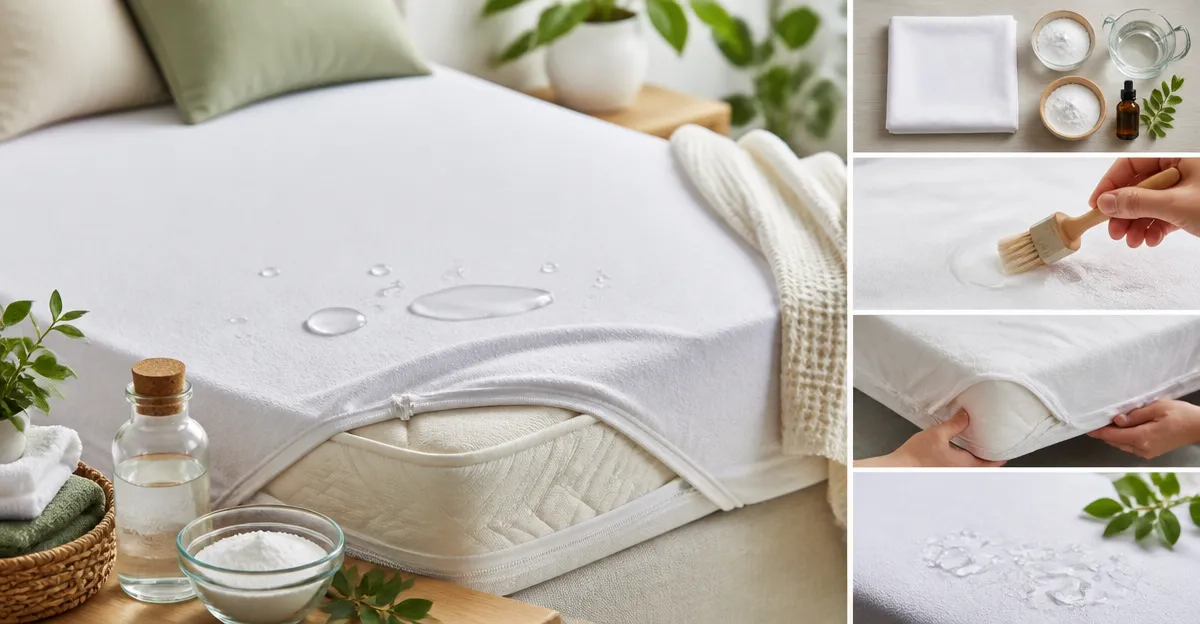
Place the completed protector on a flat surface and pour a small amount of water on the top layer. Observe whether the water beads and rolls off without seeping through the seams. If any leakage occurs, re‑seal the affected edge with additional stitching or heat‑bonding. Conduct a wash cycle using a gentle detergent, tumble dry on low, and re‑test after drying to ensure durability. Regular laundering maintains hygiene and prevents mold growth, both of which can exacerbate eczema.
Tips & Pro Tips
- Choose fabrics certified Oeko‑Tex Standard 100 to guarantee the absence of harmful chemicals.
- When sewing TPU, use a Teflon‑coated needle to reduce friction and prevent tearing.
- For extra breathability, perforate the TPU layer with a fine‑pointed awl in a grid pattern (1 cm spacing).
- Store the protector folded, not compressed, to preserve the elastic skirt’s stretch.
- If the mattress is exceptionally thick (over 18 in), consider using two elastic skirts sewn together for added grip.
Troubleshooting
| Problem | Possible Cause | Solution |
|---|---|---|
| Water leaks through seams | Insufficient sealing | Re‑heat‑bond or double‑stitch the edges; use waterproof tape as a backup. |
| Protector makes crinkling noise | TPU layer not fully bonded | Press the film firmly with a low‑heat iron; add a thin layer of fleece between film and fabric. |
| Elastic loses stretch after washing | High‑heat drying | Air‑dry or tumble dry on low; avoid bleach. |
Conclusion
By following this guide, the reader can construct a non‑toxic, waterproof mattress protector that safeguards against spills, reduces allergen exposure, and remains gentle on eczema‑prone skin. The combination of organic fabric, TPU technology, and a secure elastic pocket offers a durable solution that rivals commercial products while allowing full control over materials. Whether one chooses to purchase a ready‑made protector or craft a custom version, the principles outlined ensure a healthier sleeping environment.
Products Mentioned in This Guide
Frequently Asked Questions
What fabrics are best for a non‑toxic waterproof mattress protector?
Use organic cotton or bamboo fabric of at least 200 gsm for hypoallergenic breathability.
How does the 100% TPU film provide waterproofing without chemicals?
TPU creates a thin, non‑porous barrier that blocks liquids while remaining odorless and free of fluorocarbons.
What type of elastic should I use for a deep‑pocket fit?
A 1‑inch wide heavy‑duty elastic band gives a snug, stretchable edge that stays in place.
Do I need a special sewing needle for this project?
A sharp size 80/12 needle works well with knit fabrics like cotton or bamboo.
How should I care for the finished protector to maintain its waterproof layer?
Machine wash on gentle cycle, low heat dry, and avoid bleach to preserve the TPU film.