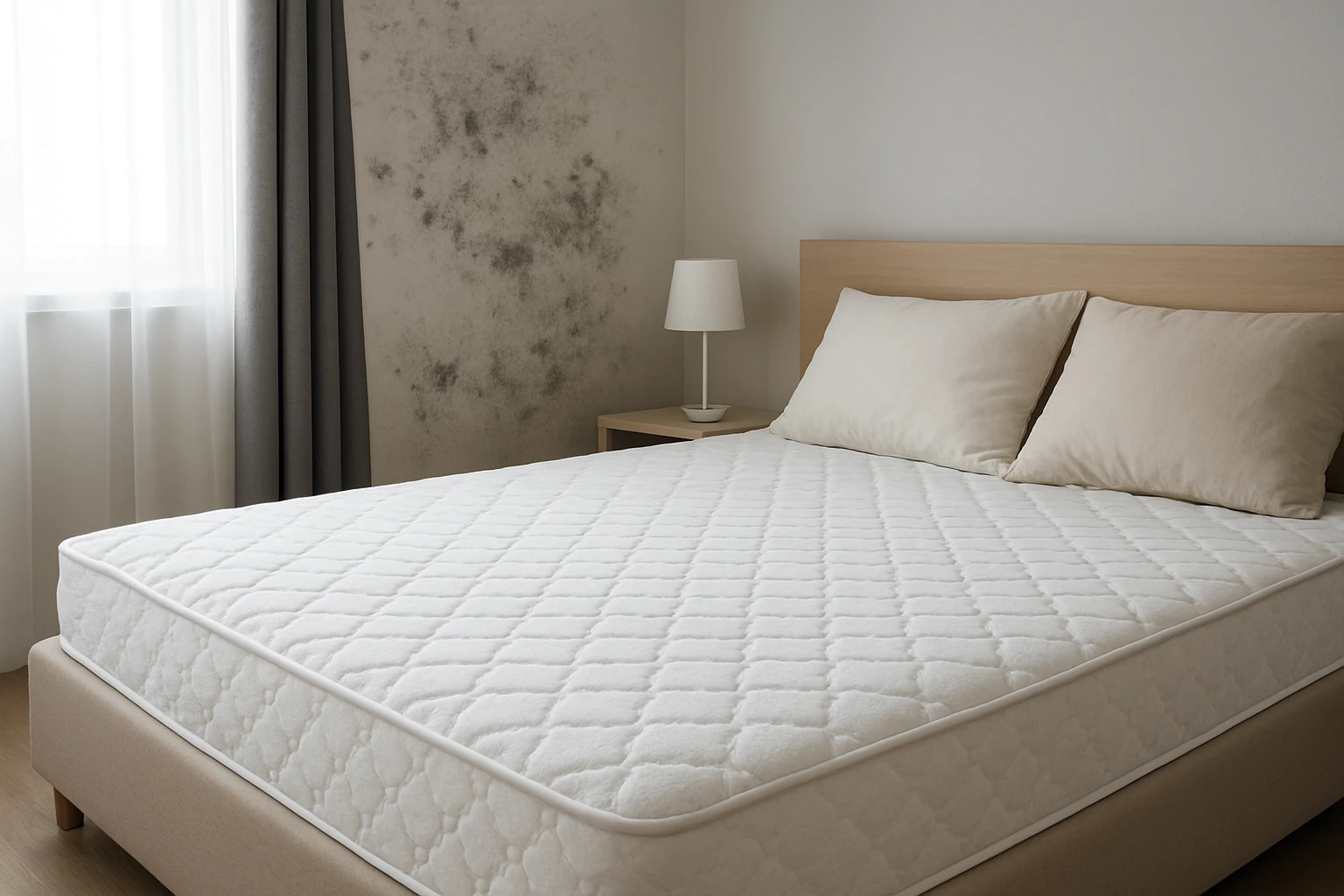
Bedroom Humidity and Mold Control: The Complete Mattress Guide to Prevent Eczema Flare‑Ups
Introduction
Maintaining a healthy bedroom environment is essential for individuals who suffer from eczema. This guide explains how humidity, mold, and mattress protection interact to influence skin health. Readers will learn the science behind moisture balance, practical strategies to control mold, and how to select the most effective products. By the end of the article, the reader will be equipped with actionable steps to create a comfortable, eczema‑friendly sleeping space.
Background and Context
Eczema, or atopic dermatitis, is aggravated by both overly dry and overly humid conditions. When indoor humidity falls below 30 %, the skin loses moisture rapidly, leading to dryness and itching. Conversely, humidity above 60 % encourages mold growth, dust mites, and bacterial proliferation, all of which can trigger flare‑ups. Understanding the optimal humidity range of 40 %–55 % and the role of mattress barriers provides the foundation for effective symptom management.
Understanding Humidity and Its Impact on Skin
Relative humidity measures the amount of water vapor present in the air compared with the maximum amount the air can hold at a given temperature. In a bedroom, humidity influences the skin’s transepidermal water loss, the growth of microorganisms, and the comfort of bedding materials. When humidity is too low, the skin barrier becomes compromised, allowing irritants to penetrate more easily. When humidity is too high, mold spores settle on mattress surfaces and can be inhaled or come into direct contact with the skin.
Strategies for Controlling Bedroom Humidity
Three primary methods can regulate indoor moisture: humidifiers, dehumidifiers, and ventilation. Each method has distinct advantages and should be chosen based on the climate, room size, and personal preferences.
- Humidifiers add moisture to dry air, preventing skin dehydration. They are most useful in winter or in arid regions.
- Dehumidifiers remove excess moisture, reducing mold risk in humid climates or during summer months.
- Ventilation through exhaust fans or open windows balances indoor humidity and introduces fresh air.
For most eczema sufferers, a combination of a smart humidifier and periodic ventilation provides the most stable environment.
Product Recommendation: Smart Humidifiers
The Dreo Smart Humidifier offers precise humidity control for bedrooms up to 500 sq ft. It features a 6 L top‑fill tank, 60‑hour runtime in sleep mode, and a whisper‑quiet 28 dB operation. The device integrates with a mobile app, Alexa, and voice commands, allowing users to set target humidity, schedule operation, and monitor real‑time levels. With a 4.5‑star rating from 1,342 reviews, customers praise its quiet performance, adjustable mist direction, and optional essential‑oil tray for added comfort.
Key specifications include:
- Capacity: 6 L water tank
- Coverage: up to 500 sq ft
- Mist output: 300 ml/hour
- Noise level: 28 dB
- Timer: 0–12 hours
- Price: $62.99
For larger spaces, the Lacidoll Large Room Humidifier provides a 16 L (4.2 gal) capacity, covering up to 1,500 sq ft. Its 48‑hour continuous operation, 360° nozzle, and built‑in night light make it suitable for whole‑house applications. The unit offers four mist levels, a 12‑hour timer, and a remote control for convenience. With a 4.4‑star rating from 930 reviews, users appreciate its long runtime and ease of cleaning.
Key specifications include:
- Capacity: 16 L (4.2 gal)
- Coverage: up to 1,500 sq ft
- Mist settings: low, medium, high, turbo
- Timer: 12 hours
- Night light and diffuser tray
- Price: $129.97
Preventing Mold on Mattresses
Even when humidity is within the optimal range, localized moisture can accumulate on mattresses, especially if the bedding is not breathable. Mold thrives on damp surfaces and can release spores that irritate eczema‑prone skin. A waterproof yet breathable mattress protector creates a barrier that stops liquid penetration while allowing air circulation, thereby reducing the chance of mold growth.
Two essential qualities to look for in a mattress protector are a waterproof polyurethane membrane and a breathable fabric such as bamboo viscose or cotton terry. The membrane blocks liquids, while the fabric layer wicks away sweat and maintains a cool sleeping surface.
Product Recommendation: Mattress Protectors
The SafeRest Mattress Protector combines an 80 % cotton/20 % polyester terry surface with a 100 % polyurethane laminate for waterproof protection. It is machine‑washable, fits mattresses up to 18 inches deep, and has earned a 4.6‑star rating from over 280,000 reviews. Customers highlight its quiet, breathable feel and its ability to keep mattresses dry without altering comfort.
Key specifications include:
- Material: 80 % cotton, 20 % polyester terry
- Waterproof layer: polyurethane laminate
- Fit: deep pockets, elastic skirt
- Machine washable
- Price: $34.19
For a more luxurious, eco‑friendly option, the PlushDeluxe Bamboo Mattress Protector uses natural bamboo viscose, providing a silky‑soft surface that is both waterproof and highly breathable. Its 100 % waterproof membrane prevents spills, while the bamboo fabric regulates temperature, reducing night sweats that can aggravate eczema. Reviewers give it a 4.6‑star rating and commend its silent fit and durability.
Key specifications include:
- Material: bamboo viscose
- Waterproof membrane: polyurethane
- Fit: up to 18 inches depth
- No crinkling noise
- Price: $37.99
The budget‑friendly Niagara Bamboo Mattress Protector also features a waterproof polyurethane layer and a cooling bamboo viscose surface. It is designed for mattresses 8‑20 inches deep and retains a noiseless feel. At $26.99 and a 4.6‑star rating, it offers excellent value for families seeking reliable protection without compromising comfort.
Key specifications include:
- Material: bamboo viscose
- Waterproof layer: polyurethane membrane
- Fit: 8‑20 inches depth
- Cooling pattern design
- Price: $26.99
Comparison and Selection Guide
Choosing the right humidifier and mattress protector depends on room size, budget, and personal preferences. The table below summarizes the most important attributes of each product.
| Product | Coverage | Capacity | Noise Level | Price | Rating |
|---|---|---|---|---|---|
| Dreo Smart Humidifier | Up to 500 sq ft | 6 L | 28 dB | $62.99 | 4.5/5 (1,342 reviews) |
| Lacidoll Large Room Humidifier | Up to 1,500 sq ft | 16 L | Quiet (unspecified) | $129.97 | 4.4/5 (930 reviews) |
| SafeRest Mattress Protector | Queen size | N/A | Silent | $34.19 | 4.6/5 (280,217 reviews) |
| PlushDeluxe Bamboo Mattress Protector | Queen size | N/A | Silent | $37.99 | 4.6/5 (41,122 reviews) |
| Niagara Bamboo Mattress Protector | Queen size | N/A | Silent | $26.99 | 4.6/5 (1,212 reviews) |
For a small bedroom, the Dreo Smart Humidifier offers precise control and low noise. For open‑plan living areas, the Lacidoll model provides the necessary capacity. When selecting a mattress protector, prioritize waterproof membranes combined with breathable fabrics; the SafeRest and PlushDeluxe options excel in this regard, while Niagara offers the most economical solution.
Best Practices & Tips
Beyond product selection, several habits can further reduce eczema triggers:
- Maintain indoor humidity between 40 % and 55 % using a hygrometer to monitor levels.
- Run the humidifier for 30 minutes before bedtime to allow the air to stabilize.
- Clean humidifier reservoirs weekly with a vinegar solution to prevent mineral buildup and bacterial growth.
- Wash mattress protectors monthly on a gentle cycle; avoid fabric softeners that can reduce breathability.
- Use breathable cotton or bamboo pillowcases to complement the protective barrier of the mattress cover.
- Ensure proper ventilation by opening windows for at least 10 minutes each day, especially after showering.
- Inspect mattress surfaces weekly for any signs of mold, discoloration, or a musty odor, and address issues promptly.
Implementing these practices creates a synergistic effect, where optimal humidity, clean bedding, and regular maintenance collectively minimize eczema flare‑ups.
Frequently Asked Questions
- 1. What humidity level is safest for eczema?
- The ideal range is 40 %–55 %; lower levels dry the skin, while higher levels promote mold and dust mites.
- 2. Can a humidifier cause mold?
- Only if the device is over‑filled, not cleaned regularly, or used in a poorly ventilated space; routine cleaning prevents this.
- 3. Do waterproof mattress protectors trap heat?
- Modern protectors use breathable fabrics such as bamboo viscose or cotton terry, which allow heat dissipation while blocking liquids.
- 4. How often should I replace a mattress protector?
- Most manufacturers recommend replacement every 2–3 years, depending on wear and washing frequency.
- 5. Is a dehumidifier necessary if I use a humidifier?
- In climates with seasonal humidity swings, alternating between the two devices maintains the target range year‑round.
- 6. Can essential oils be used with a humidifier?
- Only models that include a dedicated oil tray, such as the Dreo Smart Humidifier, should be used; otherwise oils may damage the unit.
- 7. Are there any health risks associated with bamboo fabric?
- Bamboo viscose is hypoallergenic and naturally antimicrobial, making it safe for most skin types, including eczema‑prone individuals.
Conclusion
Effective control of bedroom humidity and proactive mold prevention are critical components of eczema management. By maintaining a relative humidity of 40 %–55 %, selecting a suitable humidifier, and protecting the mattress with a breathable waterproof cover, individuals can significantly reduce flare‑ups. The products highlighted in this guide provide reliable, evidence‑based solutions that complement best‑practice habits. Consistent monitoring, cleaning, and ventilation complete the strategy, ensuring a healthy sleep environment for sensitive skin.
Products Featured in This Guide
Dreo Smart Humidifier
Price: $62.99 | Rating: 4.5/5 (1,342 reviews)
Featured for its precise humidity control, ultra‑quiet operation, and smart connectivity, making it ideal for bedroom use.
Lacidoll Large Room Humidifier
Price: $129.97 | Rating: 4.4/5 (930 reviews)
Featured for its 16 L capacity, 48‑hour runtime, and 360° nozzle, suitable for whole‑house humidity management.
SafeRest Mattress Protector
Price: $34.19 | Rating: 4.6/5 (280,217 reviews)
Featured for its cotton terry surface, waterproof laminate, and high customer satisfaction, providing a breathable barrier.
PlushDeluxe Bamboo Mattress Protector
Price: $37.99 | Rating: 4.6/5 (41,122 reviews)
Featured for its luxurious bamboo viscose fabric, 100 % waterproof membrane, and silent fit, ideal for sensitive skin.
Niagara Bamboo Mattress Protector
Price: $26.99 | Rating: 4.6/5 (1,212 reviews)
Featured for its affordable price, waterproof polyurethane membrane, and cooling bamboo construction.